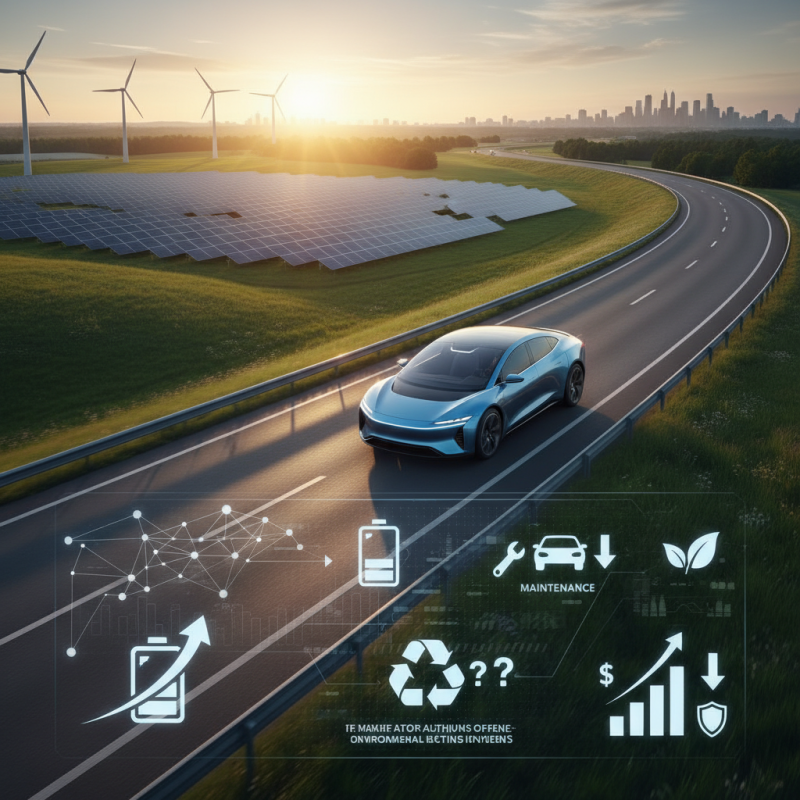
What Are the Benefits of Lithium Battery Cars?
The rise of the Lithium Battery Car marks a significant shift in transportation. These vehicles promise to reduce our carbon footprint while offering a reliable alternative to traditional fuels. With electric range and charging options improving, many drivers are making the switch.
Lithium battery technology supports longer life cycles. Owners enjoy lower maintenance costs and fewer moving parts. However, concerns about battery production and disposal remain. It’s crucial to scrutinize environmental impacts beyond just emissions.
Moreover, the upfront cost of a Lithium Battery Car tends to be higher. While incentives exist, potential buyers might hesitate. Making informed choices and understanding all aspects of ownership can lead to a better experience. Embracing this technology requires reflection on its benefits and challenges.
Benefits of Lithium Battery Cars in Reducing Greenhouse Gas Emissions
Lithium battery cars significantly reduce greenhouse gas emissions. They operate with electric power, which means they produce zero tailpipe emissions. This is a stark contrast to traditional gasoline vehicles that release carbon dioxide and other pollutants.
By utilizing renewable energy sources, the benefits multiply. When charged with solar or wind energy, they contribute further to a cleaner environment. However, one must consider the environmental impact of lithium mining. The extraction process can cause pollution and ecosystem disruption. It's a necessary trade-off that deserves more attention.
Transitioning to lithium battery cars can lead to lower overall emissions. Yet, the increase in demand creates new challenges. How can we balance sustainable practices with growing needs? More research is vital. The longer-term effects of lithium production on the planet remain to be fully understood.
Impact of Lithium Battery Technology on EV Range and Efficiency
Lithium battery technology significantly impacts the range and efficiency of electric vehicles (EVs). Enhanced energy density allows these batteries to store more power in a smaller size. As a result, EVs equipped with lithium batteries can travel longer distances on a single charge. Many users appreciate this aspect, as range anxiety is a common concern for new EV drivers.
Tips: Always check your battery level before a long trip. Understanding your vehicle's charging capabilities can also help you plan better.
Efficiency is another crucial benefit. Lithium batteries charge faster and discharge slowly, making them ideal for everyday use. This efficiency translates to less time spent at charging stations and more time on the road. However, the infrastructure for charging needs to improve. Not all areas have adequate charging options. This can lead to frustration for drivers and limit the technology’s potential growth.
Tips: Plan your routes with charging stations in mind. Use apps to find available chargers nearby. This can ease your journey and enhance your experience.
Cost Savings of Lithium Battery Cars Compared to Traditional Vehicles
Lithium battery cars offer significant cost savings over traditional vehicles. The price of electricity for charging is typically lower than gasoline. Many drivers report lower monthly fuel expenses when switching to electric. Charging at home can be more convenient and often cheaper. This shift reduces ongoing fuel costs substantially.
Maintenance is another area of savings. Electric vehicles generally have fewer moving parts. There’s no oil to change and fewer components to wear out. This leads to lower maintenance bills. However, battery replacements can be expensive. That often raises concerns for potential buyers.
Incentives offered by governments can also lessen the initial purchase price. Tax credits and rebates make these vehicles more affordable upfront. Yet, there are still some uncertainties about resale value. The market for used lithium battery cars is unpredictable. Buyers must consider all these factors when switching from traditional cars.
What Are the Benefits of Lithium Battery Cars? - Cost Savings of Lithium Battery Cars Compared to Traditional Vehicles
| Aspect | Lithium Battery Cars | Traditional Vehicles | Savings / Benefits |
| Fuel Costs (Annual) | $300 | $1,200 | $900 |
| Maintenance Costs (Annual) | $200 | $500 | $300 |
| Tax Incentives (One-Time) | $7,500 | $0 | $7,500 |
| Resale Value (After 5 Years) | $20,000 | $15,000 | $5,000 |
| Environmental Impact (CO2 Emissions) | Low | High | Better for the planet |
Lithium Battery Cars and Their Role in Sustainable Energy Solutions
Lithium battery cars play a critical role in our shift toward sustainable energy. As noted by the International Energy Agency (IEA), electric vehicles (EVs) could account for 30% of global car sales by 2030. This shift promises reduced greenhouse gas emissions, a crucial step in combating climate change. However, the production of lithium batteries raises environmental concerns. Mining lithium can harm ecosystems in regions like South America.
On the consumer front, lithium batteries offer high energy density. This means longer driving ranges. According to a recent study by BloombergNEF, the cost of lithium-ion batteries has dropped by nearly 90% since 2010. Yet, the reliance on rare minerals poses ethical questions about sourcing. Supply chains need transparency to ensure responsible mining practices.
In urban areas, the presence of lithium battery cars can improve air quality. Electric vehicles generate no tailpipe emissions. However, if the electricity comes from fossil fuels, the benefits are compromised. There's a delicate balance between demand for batteries and sustainable practices. As we embrace this technology, we must critically evaluate both its advantages and its potential ecological footprint.
Advancements in Lithium Battery Technology Enhancing Performance and Safety
Advancements in lithium battery technology are transforming the automotive landscape. New developments are significantly improving energy density. This means electric cars can travel farther on a single charge. Lightweight materials are now being used in battery construction. This enhances efficiency and reduces overall vehicle weight.
Safety is also a major concern. Recent innovations are focused on making lithium batteries more stable. New cooling systems prevent overheating during charging and discharging. This reduces the risk of fires, a critical factor for consumers. Battery management systems are being optimized to monitor health and performance. These advancements aim to increase driver confidence.
However, challenges remain. Production processes can still be harmful to the environment. Sourcing raw materials often raises ethical questions. Further research is needed to address sustainability. The future of lithium battery technology depends on balancing innovation with responsibility. This reflection will guide the industry toward a safer and greener solution.
Benefits of Lithium Battery Cars
This bar chart illustrates the key benefits of lithium battery cars, highlighting aspects such as driving range, charging speed, cost efficiency, environmental impact, and safety. Each benefit is scored based on its significance, showcasing the advantages that contribute to the growing popularity of electric vehicles powered by lithium batteries.