Best Aluminum Profiles for Sliding Doors Considerations?
The growing trend of using Aluminum Profiles for Sliding Doors highlights their increasing popularity in modern architecture. According to the latest industry report by MarketsandMarkets, the global aluminum profile market is projected to reach $158 billion by 2025, with a significant share attributed to sliding door applications. This surge is driven by the profiles' lightweight properties, high durability, and resistance to corrosion. Sliding doors made from these aluminum profiles provide functional and aesthetic advantages, appealing to architects and homeowners alike.
In exploring the best aluminum profiles for sliding doors, it's crucial to consider design, functionality, and thermal insulation. A recent study indicates that energy-efficient sliding doors can reduce energy consumption by up to 30%. However, not all aluminum profiles are equal. Variability in manufacturing processes and quality can lead to performance issues over time. Companies must focus on procurement from trusted suppliers with proven track records to ensure reliability.
Ultimately, choosing the right aluminum profiles for sliding doors requires careful reflection on both immediate needs and long-term benefits. It’s essential to weigh different options and reflect on how they align with your architectural vision. The decisions made today will impact maintenance, efficiency, and aesthetics for years to come.
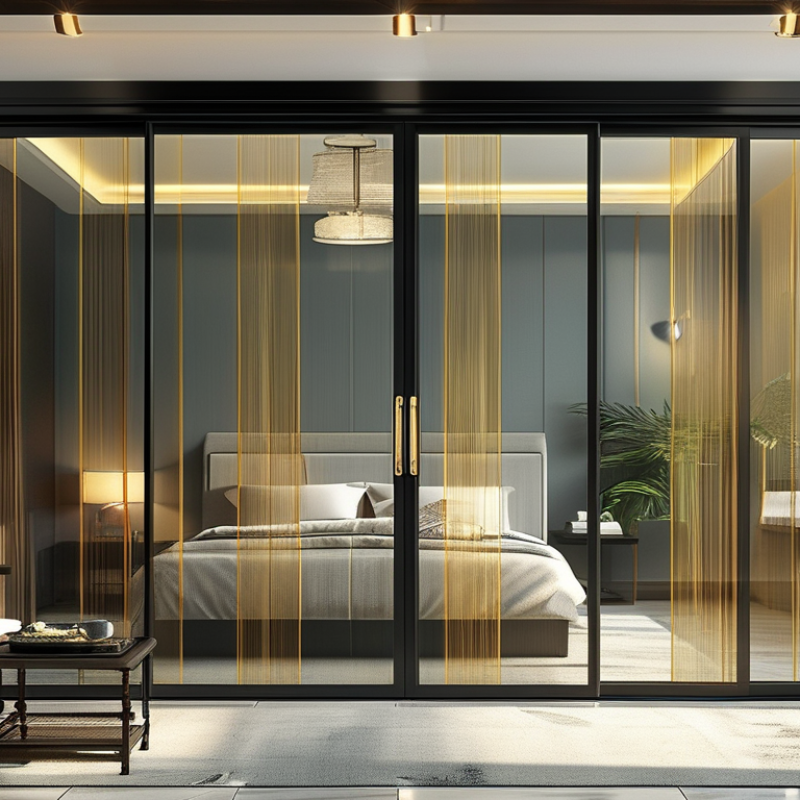
Best Aluminum Profiles for Sliding Doors: Key Factors to Consider
When choosing aluminum profiles for sliding doors, several key factors come into play. Strength and durability are paramount. According to industry reports, aluminum profiles must withstand various weather conditions, showcasing resistance to rust and corrosion. This makes them ideal for long-term use. Profiles with a higher thickness, typically 1.5 mm or more, often provide the best performance.
Another consideration is the thermal insulation properties of the profiles. Research indicates that aluminum with a thermal break can significantly reduce energy loss. This can lower heating and cooling costs, making homes more energy efficient. Many homeowners overlook this aspect, which can lead to higher utility bills in the long run.
Tips: Select profiles with a high insulation rating for better energy efficiency. Consider investing in stronger aluminum profiles to avoid frequent repairs. Always consult with a professional to weigh the benefits against your budget. Prioritize profiles with tested performance data. This ensures reliable quality over merely aesthetic choices. If the balance between cost and quality leans too far towards economy, it may lead to regrets.
Types of Aluminum Alloys Suitable for Sliding Door Profiles
When choosing aluminum profiles for sliding doors, the type of aluminum alloy plays a crucial role. Various alloys, particularly those from the 6000 series, are popular. They offer excellent corrosion resistance and good workability. Alloys like 6063 are often used for their aesthetic appeal and strength. Their ability to be easily extruded allows for unique designs that enhance both function and style.
Another notable alloy is 6061. This alloy is well-respected for its high tensile strength. It can withstand substantial loads, making it a reliable choice for heavy-duty sliding doors. Yet, its workability is not as versatile as 6063. Users must consider the balance between strength and ease of fabrication. If the design is complex, 6063 might be preferable.
While these alloys are widely recognized, it’s essential to review project-specific requirements. Every project might not benefit from the highest-strength alloy. Sometimes, a simpler, lighter alloy like 6005 may suffice. Evaluating the environment and usage is key. Outdoor setups should prioritize corrosion resistance, while indoor designs can focus on aesthetics. Each choice requires careful thought and reflection on specific needs.
Best Aluminum Profiles for Sliding Doors Considerations
Impact of Profile Thickness on Durability and Performance
When choosing aluminum profiles for sliding doors, the thickness is crucial. Thicker profiles can offer better durability against daily wear and tear. These can withstand rough handling, extreme heat, and cold temperatures. Moreover, a thicker profile often translates to enhanced insulation properties, which is vital for energy efficiency.
However, thicker profiles may add weight, making operation more cumbersome. A balance must be struck between thickness and manageability. For residential use, a profile that is too heavy may hinder smooth sliding. It is essential to test the operation before finalizing your choice.
It's also worth considering the surroundings. In coastal areas, aluminum profiles may undergo corrosion. Thicker profiles, often treated with protective coatings, can mitigate this issue. Yet, some treatments can wear over time. Reflecting on the long-term maintenance is crucial. Choosing the right thickness can ensure longevity and functionality, but one must consider the trade-offs involved carefully.
The Role of Surface Coating in Corrosion Resistance and Aesthetics
When considering aluminum profiles for sliding doors, surface coating plays a vital role in both aesthetics and durability. A quality coating can enhance the door's resistance to corrosion, which is crucial in various environments. For instance, salt air in coastal areas can quickly degrade untreated aluminum. A good surface coating prevents this, extending the lifespan of the door.
The choices for surface coatings are diverse. Powder coating, for example, provides a thicker, uniform layer. It can also come in a range of colors, allowing for customization to match the home’s exterior. On the flip side, some coatings might not hold up as well over time. Factors like quality, thickness, and application technique can all influence performance. Thus, investing in trusted processes is essential for long-term satisfaction.
Aesthetics matter, too. Smooth finishes can reflect light beautifully, creating an inviting atmosphere. However, imperfections in the coating application can lead to an uneven appearance. These flaws might not be noticeable immediately but can become apparent as time passes. Careful selection of surface coating can substantially enhance both the look and protection of aluminum profiles used in sliding doors.
Best Aluminum Profiles for Sliding Doors Considerations
| Profile Type | Surface Coating | Corrosion Resistance | Aesthetic Qualities | Durability |
| Standard Aluminum Profile | Anodized | Good | Matte Finish | Moderate |
| Heavy-Duty Profile | Powder Coated | Excellent | Glossy Finish | High |
| Slim-Line Profile | Mill Finish | Fair | Sleek Appearance | Moderate |
| Thermal Break Profile | Anodized and Coated | Very Good | Custom Color Options | High |
| Architectural Profile | Powder Coated | Excellent | Varied Finishes | Very High |
Cost Analysis: Comparing Aluminum Profiles with Alternative Materials
When considering the cost of aluminum profiles for sliding doors, comparing them to alternative materials is crucial. Aluminum profiles are durable and weather-resistant, making them a common choice. However, the initial investment can be higher than materials like PVC or wood. According to a 2022 industry report, aluminum profiles can cost between $10 to $20 per linear foot, while PVC options may range from $5 to $15.
The long-term benefits of aluminum, such as lower maintenance costs, often offset this initial expense. A study indicates that aluminum has a lifespan of over 50 years, compared to PVC's estimated 20 years. This durability is a significant factor for homeowners and builders who want sustainable solutions. Moreover, the energy efficiency provided by aluminum profiles helps reduce heating and cooling costs.
Yet, the environmental impact of extraction and production raises concerns. While aluminum is recyclable, the process is energy-intensive. Some projects might benefit from alternative materials that are less processed. Balancing initial costs with environmental considerations is essential for informed decision-making. Choosing sliding door materials involves evaluating these financial and ecological factors carefully.
