Top Tips for Choosing the Best Solar Water Pump Inverter?
Choosing the right Solar Water Pump Inverter is crucial for optimal performance. Many factors come into play when making this decision. Not everyone realizes how significantly the quality of an inverter affects a solar water pump’s efficiency.
A good inverter ensures that your system runs smoothly. It converts solar energy into usable power for your water pump. However, not all inverters are created equal. You may face confusion due to the variety of options available. Some models might offer high efficiency but lack reliability. Others could be affordable but fail in the long run.
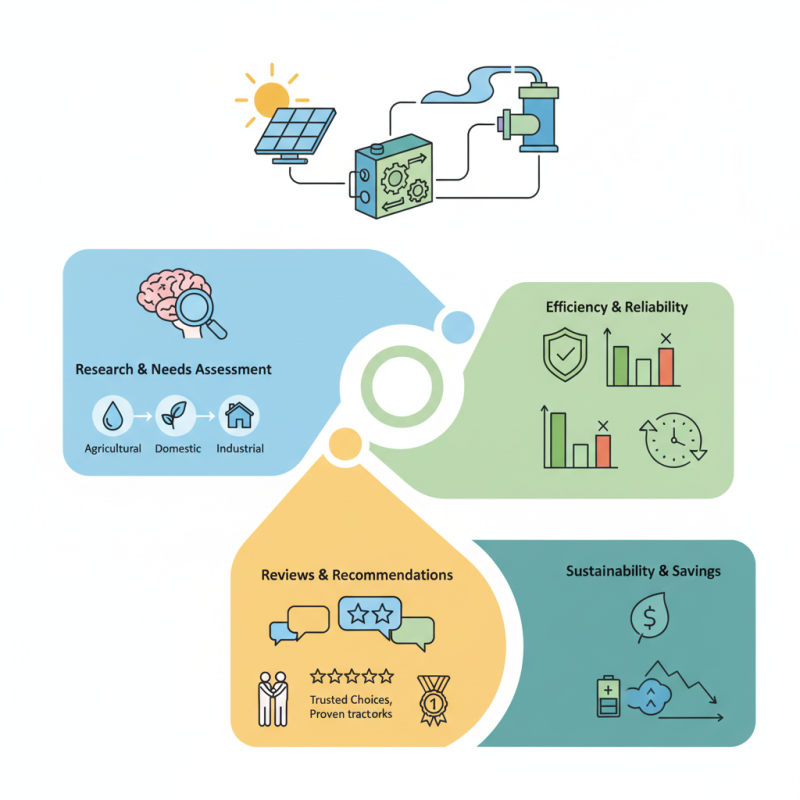
Investing time to research is essential. Consider your specific needs and requirements carefully. Focus on inverters that have a proven track record. Reviews and expert recommendations can guide you. Ensure you prioritize options that emphasize sustainability and energy management. The right choice will save you time and money.
Understanding the Functionality of Solar Water Pump Inverters
Solar water pump inverters serve a crucial role in harnessing solar energy to power water pumps. They convert the direct current (DC) from solar panels into alternating current (AC), enabling the pump to function efficiently. Understanding this functionality helps users make informed decisions during the selection process. The inverter’s efficiency and compatibility with your pump type are vital factors. Matching the inverter capacity with the pump's requirements ensures optimal performance and avoids potential system failures.
When choosing an inverter, consider the system's location and solar exposure. Inverters must withstand varying environmental conditions. Issues such as overheating or moisture can hinder performance. It's important to review technical specifications. Pay attention to input voltage ranges and power output capabilities. Furthermore, installation is critical. A poorly installed inverter can lead to inefficiencies, drawing unnecessary power. Seek professional guidance if you're unsure about any aspect of the setup.
Some inverters may offer additional features like data monitoring and protection mechanisms. Such features can lead to better maintenance practices and overall reliability. However, not all added features are essential. Sometimes, simpler models perform the task just fine. Reflecting on your specific needs can streamline the decision-making process, guiding you toward the most suitable option for your solar water pumping system.
Key Factors to Consider When Choosing a Solar Water Pump Inverter
When choosing a solar water pump inverter, several key factors come into play. Understanding the power requirements of your pump is vital. Check the pump's voltage and wattage to select an inverter that can match or exceed these specifications. This ensures efficient operation without overloading the system.
Efficiency ratings are another crucial aspect. Opt for inverters with high conversion efficiency to maximize your solar energy usage. Look at the inverter's ability to handle fluctuations in sunlight. They should maintain consistent performance even during cloudy days.
Also, consider installation and maintenance requirements. Some models may demand technical skills for setup, while others are user-friendly. Think about the long-term reliability as well. Research warranties and customer reviews to gauge the inverter's lifespan. Don't overlook the importance of consulting with professionals. Their insights can help navigate your choices for optimal performance.
Top Tips for Choosing the Best Solar Water Pump Inverter
This chart illustrates key factors to consider when choosing a solar water pump inverter, including efficiency, cost, compatibility, and durability.
Evaluating Efficiency Ratings and Performance Metrics
When selecting a solar water pump inverter, understanding efficiency ratings and performance metrics is crucial. Inverters typically convert DC electricity into AC power. An efficient inverter minimizes energy loss during this conversion. The U.S. Department of Energy states that top inverters can operate at 95-98% efficiency. This means less energy wasted and more power available for pumping.
Performance metrics also include power output and load compatibility. Inverters need to handle varying loads, especially in fluctuating conditions. A report from the National Renewable Energy Laboratory emphasizes the importance of matching inverter capacity with pump requirements. An inverter too small may struggle, while an oversized unit can be inefficient. Data shows that under-sizing can lead to a 20-30% drop in output efficiency.
Consideration of inverter lifespan and warranty is critical. Many inverters last between 5 to 10 years. Yet, the performance often declines over time. Regular maintenance and checks can maintain efficiency rates. Without timely evaluations, users might experience a drop that goes unnoticed. This can lead to inefficiencies and increased operational costs. An awareness of these factors can guide better investment choices.
Comparing Costs and Long-Term Savings of Different Inverters
When evaluating solar water pump inverters, cost is a major factor. Upfront expenses vary significantly among different models. Some inverters may require a hefty initial investment, while others are more budget-friendly. However, lower initial costs do not always translate to overall savings. A cheap inverter could lead to higher electricity bills in the long run.
Consider the efficiency ratings of various inverters. Higher efficiency can lead to significant savings over time. Research shows that a more efficient inverter reduces energy costs, which can offset its higher purchase price. It's essential to calculate potential savings against your investment. Look beyond just the wattage and consider the inverter's durability and warranty.
Long-term reliability also plays a crucial role. An inverter that fails prematurely means added replacement costs and downtime. Trustworthy models often come with extensive warranties, reflecting their reliability. Therefore, balance your budget with potential savings and longevity to make the most informed decision. Balancing these aspects requires careful research and consideration.
Assessing Compatibility with Existing Solar Systems and Pumps
When selecting a solar water pump inverter, assessing compatibility is key. The inverter must match the specifications of your existing solar system and pump. Compatibility ensures the system operates efficiently. A mismatched inverter can lead to energy loss and equipment damage. Verify the voltage and wattage requirements of both the inverter and pump.
Check the type of solar panels you have. Some inverters perform best with specific panel types. Researching this can save money and prolong your system's life. Ensure the inverter can handle the power generated by the panels. An underpowered inverter may struggle and fail prematurely.
Installation is another important factor. A compatible inverter will simplify the setup process. However, it’s wise to consult with a professional. They can provide insight into potential issues. Even minor details can make or break the system's efficiency. Pay attention to these aspects to make a better-informed decision.