Best Vehicle Power Inverter for Your Travel Needs?
Traveling by road often involves a need for reliable power sources. A vehicle power inverter can transform your car's DC power into AC power. This allows you to charge devices or power appliances on the go. The market for vehicle power inverters is expanding rapidly. According to a 2021 report by Grand View Research, the market is projected to reach $2.4 billion by 2028.
Choosing the right inverter can be overwhelming. With so many options available, understanding your specific needs is crucial. For instance, a higher wattage inverter can power larger devices, while smaller models can charge phones and laptops. Quality matters, as not all inverters are built to withstand the rigors of travel. Some cheap inverters may falter under heavy use, potentially leading to frustrations on the road.
Let’s consider efficiency; a good inverter should convert at least 85% of DC power to AC power. This ensures that your devices receive sufficient power, avoiding potential dead batteries and downtime. The variety of features, like USB ports and safety protections, also play a key role. Understanding the balance between power needs and safety will enhance your travel experience.
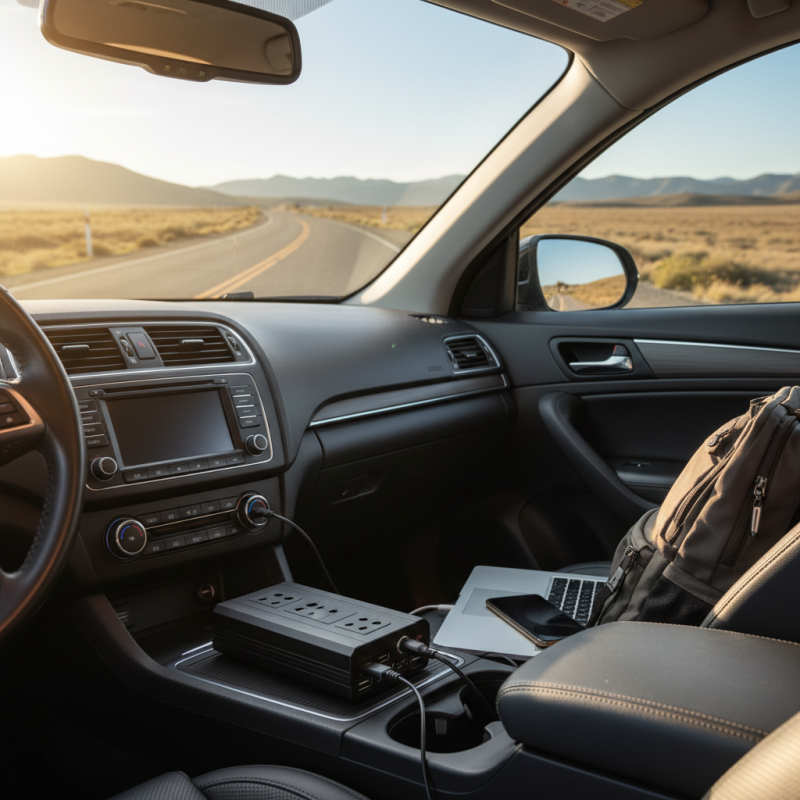
Understanding Vehicle Power Inverters: What You Need to Know
Understanding vehicle power inverters is essential for modern travel. These devices convert your car's DC power to AC power. This allows you to charge and use electronic devices on the go. Knowing the different types of inverters is crucial for making the right choice.
There are two primary types: modified sine wave and pure sine wave inverters. Modified sine wave inverters are generally cheaper, but they can cause issues with sensitive electronics. Pure sine wave inverters provide cleaner power, suitable for laptops and other gadgets.
Consider how many devices you need to charge simultaneously. We often underestimate the total power demand. It’s better to overestimate, ensuring you won’t run out of juice.
The inverter's wattage rating is also important. A 150-watt inverter won’t support high-draw devices like microwaves. Sometimes, people forget to check their devices' power requirements. Always read labels or manuals carefully. Quality matters, too; a poorly made inverter can lead to frustrating failures on the road.
Think about where you will use it. Will it be on long trips or short errands? These details can make a big difference in your travel experience.
Types of Vehicle Power Inverters for Different Travel Scenarios
When planning your next road trip, consider the type of power inverter that suits your needs. There are several types available. Each has unique features for different travel scenarios. For instance, a modified sine wave inverter works well for simple devices like phone chargers. This inverter is affordable and easy to find, but it may not power sensitive electronics effectively. A pure sine wave inverter, while pricier, provides clean power. It's ideal for laptops and medical devices, ensuring they operate smoothly.
Compact inverters are perfect for short trips. They fit snugly in your car and are lightweight. However, if you're traveling long distances or using multiple devices, a more powerful inverter is essential. Larger inverters can handle higher wattage and can charge multiple gadgets at once. Just remember, they require ample ventilation to avoid overheating. Finding the right balance between power and size can be challenging but crucial for your travel comfort.
Consider your specific needs before selecting an inverter. A smaller model may seem convenient, but it might not meet your demands. Testing different setups on shorter trips can provide valuable insights. It’s important to reflect on your power needs versus your space limitations. Power inverters can enhance your travel experience significantly, as long as you choose wisely.
Key Features to Look for in a Vehicle Power Inverter
When choosing a vehicle power inverter, several key features matter. The inverter’s wattage capacity is crucial. You need enough power to run your devices. Most small appliances require 300 to 500 watts. If you have multiple devices, look for higher capacity.
Another important aspect is the type of output. There are different inverter types: pure sine wave and modified sine wave. Pure sine wave inverters are ideal for sensitive electronics. They provide a stable power source. However, they can be pricier. Modified sine wave inverters are cheaper but might not be suitable for all devices.
Portability is also vital for travel. A lightweight and compact inverter is easier to handle. Consider the inverter's design and interface. Easy-to-use features save time during your travels. Remember, always check safety features. Look for protections against overheating and short circuits. These aspects can make a significant difference in your travel experience. Balancing power, design, and safety is essential.
Best Vehicle Power Inverter for Your Travel Needs? - Key Features to Look for in a Vehicle Power Inverter
| Feature | Description | Importance |
| Power Output | Determines the maximum load the inverter can handle, usually measured in watts. | Crucial for running multiple devices simultaneously. |
| Number of Outlets | Indicates how many devices can be connected at the same time. | Essential for group travel or using multiple devices. |
| Safety Features | Includes short circuit, overload, and high-temperature protection. | Important for protecting both the inverter and connected devices. |
| Size and Portability | Refers to physical dimensions and weight of the inverter. | Affects ease of storage and transportation during travel. |
| Input Voltage | The voltage required from the vehicle's battery to operate the inverter. | Must match your vehicle's specifications for proper functioning. |
| Wave Type | Specifies whether the inverter produces pure sine wave or modified sine wave output. | Pure sine wave is preferred for sensitive electronics. |
| Price | The cost of the inverter, which can vary greatly based on features. | Balance between budget and necessary features is crucial. |
Top Brands and Models of Power Inverters Reviewed
When choosing a vehicle power inverter, evaluating the top brands and models is essential. Many travelers need an inverter to charge electronics or run appliances on the go. According to a recent industry report, the demand for power inverters is steadily increasing due to the rise in road trips and outdoor activities. A reliable inverter can provide up to 4000 watts of power, making it suitable for various needs.
One popular type of inverter is the modified sine wave inverter. They are efficient and affordable. However, they might not be compatible with all devices. On the other hand, pure sine wave inverters offer cleaner power but come at a higher cost. It's crucial to assess your appliance requirements before making a decision. Battery capacity and inverter size should align with each other as well.
When selecting a power inverter, consider portability and installation ease. A compact unit is perfect for travel. Remember to check the continuous power rating of the inverter. Ensure it meets your needs while keeping in mind that higher power ratings usually mean higher costs.
Tip: Always read user reviews to understand the performance and reliability of a chosen model. It can save you from potential frustration during your travels. Evaluate your needs carefully to select an inverter that perfectly fits those demands.
Safety Tips for Using Power Inverters While Traveling
Traveling with a power inverter can be convenient. However, safety should always come first. According to a report by the National Fire Protection Association, electrical failures cause about 15,000 home fires annually. Ensuring your inverter is safe from overheating is crucial. Always monitor the device while it's in use.
Make sure to avoid overloading the inverter. Each unit has a specific power limit. Exceeding this may cause significant damage. For example, if your inverter supports 150 watts, connecting a 200-watt device can lead to failure or fire. Regularly check your connections. Loose wires can create sparks. A small spark can lead to larger issues.
While on the road, it's best to position your inverter in a well-ventilated area. This reduces the risk of overheating. Many experts recommend keeping the inverter away from direct sunlight and moisture. Remember, accidents can happen. Stay alert while using electrical devices to prevent mishaps.
