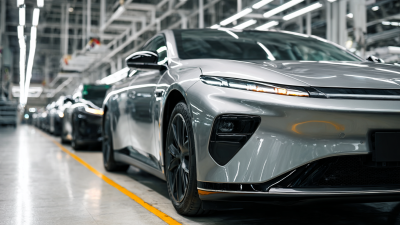
China Top EV Vehicles for a Sustainable Future?
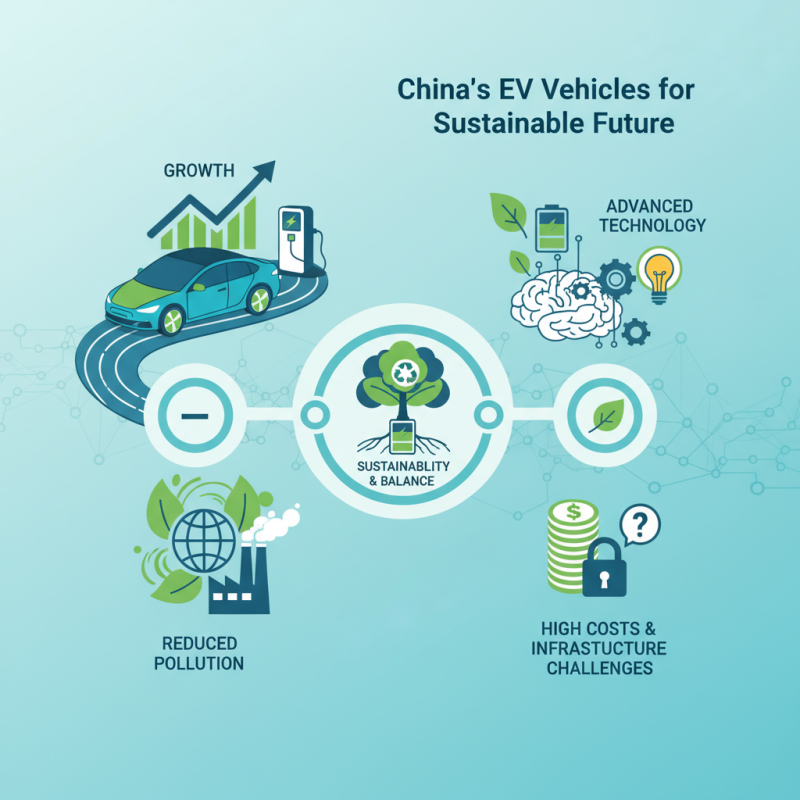
As the world shifts towards a more sustainable future, China is leading the charge with its top EV vehicles. The rapid growth of the electric vehicle market demonstrates innovation and commitment. EV vehicles in China offer advanced technology and energy efficiency. This transition aims to reduce pollution and combat climate change.
Consumer preferences are also changing. Many people now seek environmentally friendly options. However, there are challenges that come with high costs and limited charging infrastructure. Despite these hurdles, the demand for EV vehicles continues to rise. Individuals are increasingly aware of their carbon footprints.
China’s commitment to electric vehicles reflects a larger global trend. Yet, as the market expands, understanding both positive and negative aspects is crucial. There is much to learn about sustainability in this evolving landscape. Balancing progress and environmental responsibility remains a vital topic for discussion.
China's Electric Vehicle Market Overview and Growth Potential
China's electric vehicle (EV) market is experiencing rapid growth, driven by increasing environmental concerns and technological advancements. According to the China Association of Automobile Manufacturers (CAAM), EV sales in 2022 reached over 6 million units, reflecting a year-on-year increase of 96%. This growth showcases China's commitment to transforming its automotive landscape with cleaner alternatives.
Despite these advancements, challenges remain. Infrastructure for charging stations is still developing. As of early 2023, there were approximately 1.8 million public charging points across the country. This is insufficient to meet growing demand. The speed of charging station deployment must accelerate to support the rising number of EVs on the road.
Tips: Consider the environmental impact before purchasing an EV. Evaluate the availability of charging stations in your area. Research the battery life and recycling programs offered by different manufacturers. Choose options that prioritize sustainability and efficiency. As the market matures, it’s crucial to stay informed about advancements and potential pitfalls in the industry.
Key Players in China's EV Industry: Leading Manufacturers and Innovations
China's electric vehicle (EV) industry is rapidly evolving, driven by innovation and technology. Local manufacturers are making significant strides in producing more efficient batteries. These advancements play a crucial role in the overall performance and sustainability of EVs. The focus on reducing charging times and increasing range can greatly enhance user experience. This is essential for increasing consumer adoption of electric vehicles.
Several key players stand out in shaping China's EV landscape. Many companies are integrating artificial intelligence features in their vehicles. This results in smarter and more intuitive driving experiences. Additionally, companies are exploring alternative energy sources, such as solar power, to support EV infrastructure. This can contribute to a greener ecosystem. However, challenges remain, including supply chain issues and the sustainability of raw materials. Balancing innovation with environmental responsibility will be an ongoing challenge.
Small producers also contribute substantially to the ecosystem. They often create niche products that serve specific market needs. This diversity encourages competition and drives further innovation. Nevertheless, not all players maintain transparent practices. Some face scrutiny regarding their sustainability claims. Ensuring accountability and ethical production in the industry is critical for long-term success.
China's EV Industry: Key Players and Innovations
Sustainability Impact: How EVs Contribute to China's Green Goals
Electric vehicles (EVs) play a key role in China's push towards sustainability. The government aims to reduce carbon emissions and limit air pollution. With more people seeking eco-friendly alternatives, EVs are gaining traction across urban areas. They help cut greenhouse gas emissions significantly.
However, the journey towards an electrified future is not without challenges. Battery production is resource-intensive and has environmental impacts. Minerals used in batteries are often mined under difficult conditions. This raises ethical concerns about labor practices and environmental degradation. Balancing production with sustainability is crucial.
Despite these challenges, the potential for a sustainable future through EVs remains strong. Investments in renewable energy sources can power EV charging stations. This will further reduce the carbon footprint associated with electricity generation. Education about responsible consumption is also essential. It empowers consumers to make informed choices for the environment. Embracing EVs is a step forward, but the path requires continuous reflection and improvement.
Challenges Facing China's EV Sector: Infrastructure and Consumer Adoption
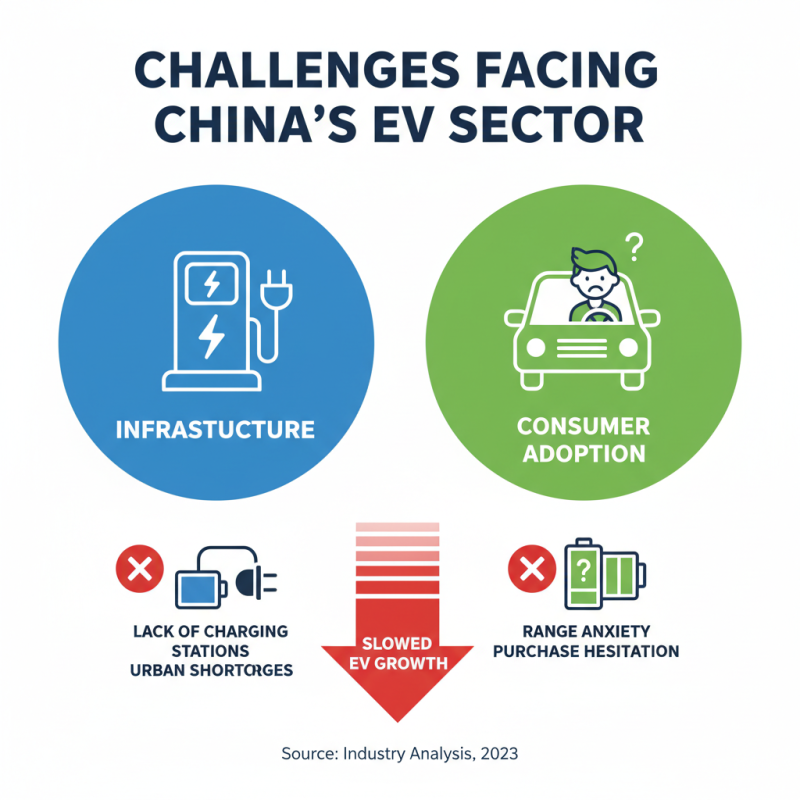
China's electric vehicle (EV) sector faces significant challenges in infrastructure and consumer adoption. One major issue is the lack of charging stations. While the number has grown rapidly, it still does not meet demand in urban areas. For consumers, the fear of running out of battery—known as "range anxiety"—can deter purchases.
Additionally, there is a reluctance among buyers to switch from traditional vehicles. Many still prioritize fuels' convenience and familiarity. The transition requires extensive education and awareness campaigns. Without inspiring confidence in EV technology, the sector will struggle. Consumers need to see tangible benefits to make the switch.
Infrastructure upgrades are essential. Improved charging networks can create a seamless experience for users. Public and private investments are crucial. However, regulatory hurdles often impede progress. Companies must navigate complex regulations. It's a difficult landscape for manufacturers and consumers alike. Addressing these issues requires collaboration and a long-term vision.
Future Trends: Forecasting the Next Decade of China's EV Landscape
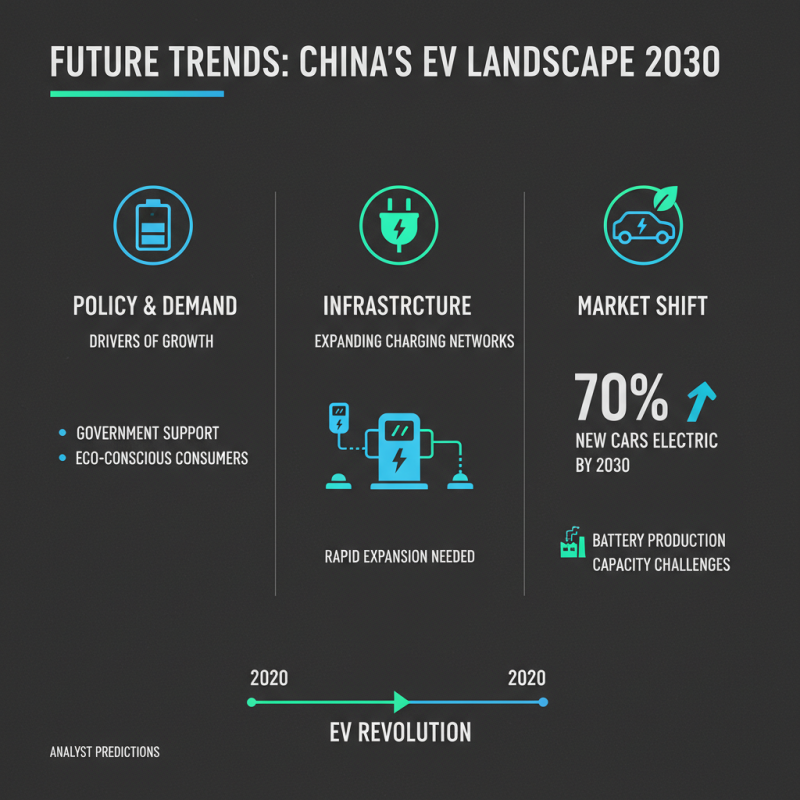
The future of electric vehicles (EVs) in China is both exciting and challenging. Analysts predict that by 2030, a significant portion of new cars sold will be electric. This shift is driven by policy support and increasing consumer demand for greener options. However, the transition also raises questions about infrastructure and battery production capabilities. Charging networks need to expand rapidly to keep pace with EV growth.
China's EV market could lead global trends in sustainability. Yet, issues such as raw material sourcing for batteries are a concern. There’s an ongoing debate about environmental impact versus economic growth. Initiatives to promote recycling and sustainable production are vital. Without addressing these factors, the push for EVs may face backlash.
Consumer attitudes are evolving. Many people are now more aware of climate change. They seek out EVs not just for performance but for ethical reasons. Educating the public about the benefits of EVs will be crucial. Information gaps exist, leading to skepticism in some groups. Bridging this gap will help accelerate adoption across various demographics.