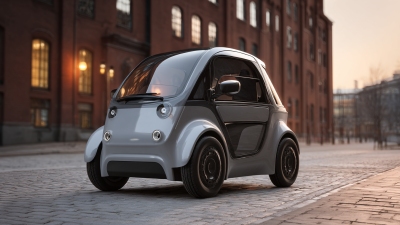
Why Choose an Electric Car for Your Next Vehicle?
In today's rapidly changing world, the Electric Car stands out as a sustainable choice. They offer many advantages over traditional vehicles. With growing environmental concerns, many people are considering making a switch.
An Electric Car can reduce greenhouse gas emissions significantly. It operates on electricity rather than fossil fuels. This can lead to cleaner air and a healthier planet. Additionally, electric vehicles often have lower operating costs. They require less maintenance and offer savings on fuel.
However, the transition isn't always easy. Charging infrastructure is still developing in many areas. Some people worry about range anxiety. Despite these challenges, an Electric Car represents a step towards a more sustainable future. Embracing this change may need some reflection, but its benefits are hard to ignore.
Benefits of Electric Cars: Environmental Impact and Sustainability
Electric cars have emerged as a significant solution for environmental challenges. They reduce reliance on fossil fuels. As a result, carbon emissions are lowered. This shift helps combat climate change and reduce air pollution. Cities with electric vehicles observe improved air quality. The impact is noticeable; cleaner streets benefit everyone.
Sustainability is crucial for the future. Electric cars often use renewable energy sources for charging. Solar or wind power can significantly decrease one's carbon footprint. However, the production process of electric vehicles raises concerns. Extracting raw materials can harm the environment. It’s essential to weigh the pros and cons.
People might overlook charging infrastructure. Access to charging stations can be limited in some areas. This inconvenience might deter potential buyers. Hence, electric cars present a mixed bag of benefits and limitations. Engaging with these realities will help in making informed choices.
Cost Efficiency of Electric Vehicles: Savings on Fuel and Maintenance
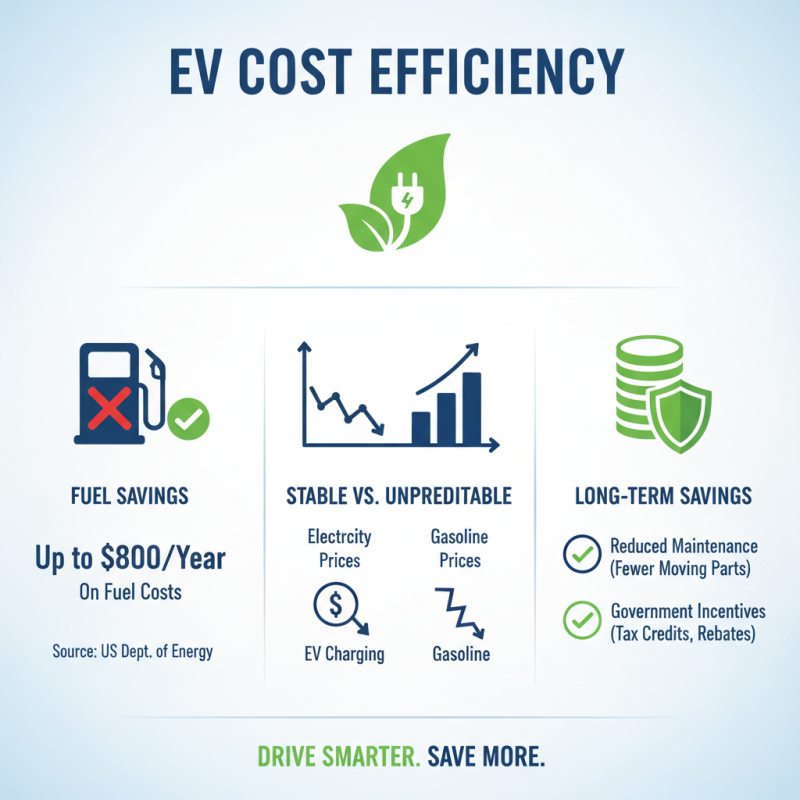
Electric vehicles (EVs) are gaining traction for good reasons. One of the strongest incentives is cost efficiency. According to a report by the U.S. Department of Energy, EV owners can save up to $800 on fuel costs annually. With gasoline prices fluctuating, this savings is more appealing.
Maintenance is another area where EVs shine. The absence of complex internal combustion engines leads to lower repair costs. A study from the Automotive Research Association shows that EVs spend about 50% less on maintenance than traditional vehicles. Oil changes and exhaust repairs are simply not a concern for EV drivers.
However, upfront costs can be a barrier. Initial investments for some electric models may be higher. It raises questions about affordability. Incentives like tax rebates may assist, but not all consumers are aware of these benefits. For those considering an EV, weighing these financial aspects carefully is vital.
Electric Vehicle Technology: Battery Lifespan and Charging Infrastructure
Electric vehicle technology has made significant strides in recent years. Battery lifespan is a key concern for potential electric car owners. Many modern batteries now last between 200,000 to 300,000 miles. This longevity is crucial for daily drivers. However, actual performance can vary based on factors, such as driving habits and climate conditions. Cold weather may reduce battery efficiency.
Charging infrastructure is evolving rapidly. Public charging stations are becoming more widespread. Many cities now enjoy numerous charging points. Yet, not all areas have the same access. Rural regions may remain underserved. While home charging is convenient, it often requires installation costs. Some might hesitate due to limited home access to charging options.
Exploring EV technology involves understanding its limits. Rapid charging is convenient but can strain battery health. Long trips still require planning for charging stops. Users must consider their typical commute and charging availability. This reflection ensures an informed decision when choosing an electric vehicle.
Government Incentives and Rebates for Electric Vehicle Buyers
Choosing an electric car can be an excellent decision for both the environment and your wallet. One of the most compelling reasons is the government incentives available to electric vehicle (EV) buyers. According to recent data from the U.S. Department of Energy, federal tax credits can offer up to $7,500 off your electric car purchase. Location matters, as various states also provide additional rebates, sometimes amounting to several thousand dollars.
Many buyers are unaware of local incentives. Some states have programs for charging station installation, potentially covering 50% of the costs. For example, California offers up to $2,000 for electric vehicle purchases and incentives for low-income families. This can drastically lower the initial costs. Yet, keep in mind that these incentives can change. Always check the current regulations for updates or new programs.
Tips: Research both federal and state incentives before making a purchase. Engage with local EV clubs for the latest updates. Additionally, consider how tax credits will impact your overall budget. This could make owning an electric car more feasible, even if you face the upfront costs. Always consult with a tax professional to get the most accurate estimate of your potential savings.
Electric Car Performance: Range, Speed, and Driving Experience
Electric cars have evolved significantly in recent years. Their performance metrics, including range and speed, often impress. Many electric models can cover over 300 miles on a single charge. This eliminates the anxiety of frequent recharging. Imagine a road trip where you confidently pass gas stations without worry. However, some may find charging infrastructure inconsistent in rural areas.
Driving an electric vehicle can feel markedly different. Instant torque offers rapid acceleration, often better than traditional cars. This makes city driving exciting. Yet, the feel of the road can vary significantly across models. Weight distribution from the battery placement changes handling dynamics. Some drivers may miss the raw, visceral connection of gasoline engines.
Electric cars are also quieter. This silence can be serene for some, while others might find it unsettling. The lack of engine noise brings a new driving experience. Features in electric cars, like regenerative braking, add a layer of complexity. They require some adaptation. New drivers might need time to adjust their braking habits. These aspects make electric vehicles both intriguing and a bit challenging.