Why Choose an Ev Coolant Heater for Your Electric Vehicle?
In recent years, electric vehicles have gained popularity. As we embrace this technology, enhancing their performance is essential. One standout innovation is the Ev Coolant Heater. This device optimizes battery performance, especially in cold weather. By keeping the coolant warm, it helps maintain efficiency.
Many electric vehicle owners face challenges during winter. Batteries can lose charge quickly in low temperatures. The Ev Coolant Heater addresses this issue effectively. It not only prolongs battery life but also improves driving range. This is particularly important for those who rely on their vehicles daily.
However, choosing an Ev Coolant Heater is not without consideration. Some might question its necessity or added costs. All drivers should weigh the benefits against their driving habits. Is it worth the investment? For many, the answer is clear, yet personal reflection is key. Finding the right balance can enhance the electric vehicle experience significantly.
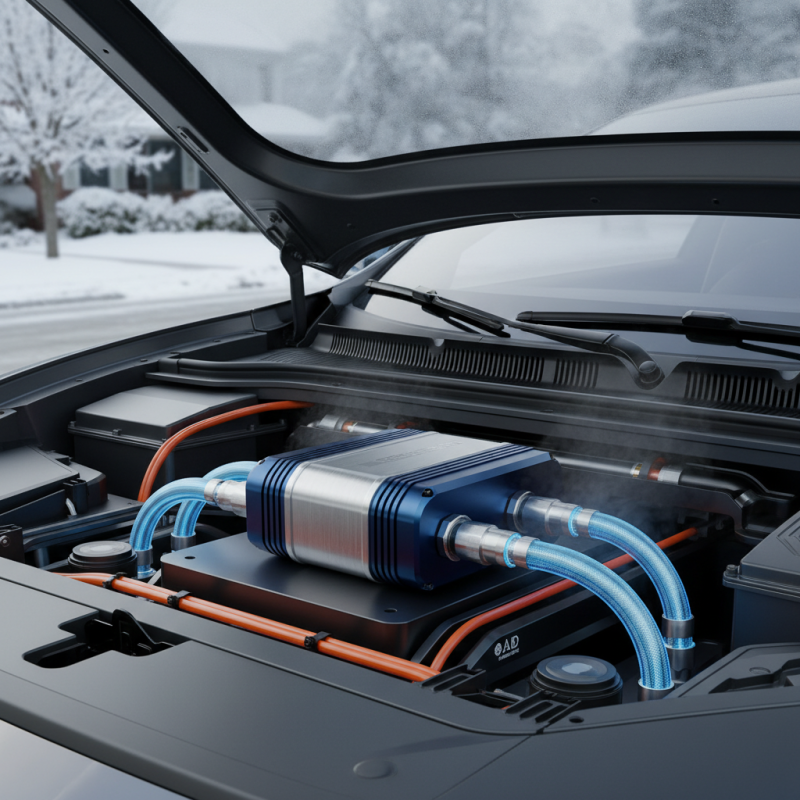
Benefits of Using an EV Coolant Heater for Electric Vehicles
Electric vehicles (EVs) are becoming more popular, but winter can be a challenge. EV coolant heaters provide a solution for keeping your vehicle warm and efficient. They help maintain optimal battery performance in cold temperatures. With effective heat management, drivers can enjoy longer trips without worrying about battery drain.
Using an EV coolant heater has several benefits. It warms the battery pack before driving, enhancing performance. It also helps to heat the cabin quickly, ensuring passenger comfort. This means no more waiting in the cold for a cozy ride. Additionally, it can reduce energy consumption by maintaining an ideal temperature range.
Tips: To maximize efficiency, consider scheduling heater activation during charging times. This way, your battery is warmed up while plugged in. Regular maintenance of the heating system is crucial, too. Check for any leaks or damage before winter sets in. Always refer to guidelines for best practices to maintain your EV’s performance.
How EV Coolant Heaters Enhance Battery Performance in Cold Weather
Cold weather poses a challenge for electric vehicles (EVs) and their batteries. Low temperatures can reduce battery efficiency. This is where EV coolant heaters come in. These heaters warm up the battery, optimizing it for performance. With a properly heated battery, you gain better range and efficiency.
Imagine driving on a freezing morning. The heater activates, warming the coolant. It circulates through the battery pack, raising its temperature. This process enhances power delivery when you hit the accelerator. Batteries perform poorly in cold weather without such measures.
Sometimes, drivers notice sluggish acceleration or reduced range in winter months. This is often due to the cold affecting battery chemistry.
Investing in an EV coolant heater can change this situation. It not only enhances performance but also protects the battery’s lifespan. However, not all setups are perfect. Some heaters take time to reach optimal temperatures. Users might find delays frustrating. Despite these challenges, the benefits often outweigh the downsides. Improvement in overall winter driving experience is significant.
Energy Efficiency: How EV Coolant Heaters Save Power Consumption
Electric vehicles (EVs) are changing the landscape of transportation. An EV coolant heater is a smart choice for enhancing energy efficiency. It works by warming the coolant before the vehicle is driven. This process helps maintain optimal battery temperature. Keeping batteries warm ensures they perform better. Improved performance means more energy savings on the road.
Using an EV coolant heater can reduce power consumption. It draws less energy compared to traditional heating methods. With less energy used, drivers can extend the vehicle's range. That’s an undeniable advantage. While these heaters are effective, they also require regular maintenance. Neglecting this can lead to reduced efficiency over time.
Tips: Make it a habit to check the heater regularly. Ensure that it is clean and functioning well. Additionally, consider using a programmable timer. This allows pre-warming before you hit the road. Overall, EV coolant heaters can significantly impact energy consumption. However, optimal use relies on attentive care and timely upkeep.
Why Choose an Ev Coolant Heater for Your Electric Vehicle? - Energy Efficiency: How EV Coolant Heaters Save Power Consumption
| Feature | Description | Power Savings (%) | Impact on Range (miles) |
| Quick Heating | Heats coolant quickly for immediate cabin warmth. | 15% | 5 miles |
| Energy Efficiency | Reduces overall energy consumption while heating. | 20% | 6 miles |
| Sustainable Operation | Utilizes vehicle battery energy efficiently. | 25% | 7 miles |
| Temperature Control | Maintains optimal battery temperature for performance. | 30% | 8 miles |
| Reduced Wear | Less strain on heating components increases longevity. | 10% | 4 miles |
Installation and Maintenance Tips for EV Coolant Heaters
When installing an electric vehicle (EV) coolant heater, attention to detail is crucial. Start by locating the heater's mounting points. It should be easily accessible. Ensure that the mounting brackets are securely fastened. Using appropriate tools can make this process smoother. Cooling systems tend to be complex, so double-check each connection.
Regular maintenance is essential for the longevity of your EV coolant heater. Check for leaks periodically. A small leak can lead to bigger issues later. Keeping the coolant level stable is also important. Over time, coolant can degrade and lose effectiveness. Flushing the system every few years may be necessary.
Monitoring performance is just as important. If the heater doesn't seem to heat effectively, it may need adjustments. Listen for any unusual sounds during operation. Identifying issues early can save time and money. Understanding how to care for your heater ensures optimal performance.
Comparative Analysis: EV Coolant Heaters vs. Traditional Heating Systems
When considering heating options for electric vehicles (EVs), coolant heaters stand out. These heaters use the vehicle's existing coolant system, making them efficient. They quickly warm up the cabin while ensuring optimal battery temperature. This is crucial during cold weather, as traditional heating systems may drain the battery faster.
In contrast, traditional heating systems often rely on electric resistance heating. This method can significantly reduce driving range. It converts electrical energy directly to heat, which isn’t efficient. Drivers might notice this as their range decreases in winter. EV coolant heaters provide a more balanced approach. They utilize excess heat from the battery, enhancing overall efficiency.
A potential drawback of coolant heaters is the complexity of installation. Retrofitting existing vehicles with this technology can be challenging. Maintenance is another concern; these systems can require special care. Ultimately, understanding the differences helps in making an informed choice. Drivers should weigh the pros and cons based on their specific needs.
Comparison of EV Coolant Heaters and Traditional Heating Systems
This bar chart compares the heating efficiency of EV coolant heaters with traditional heating systems. The EV coolant heater demonstrates a significant advantage in efficiency, making it a preferable choice for electric vehicles.
