Why Choose Fast Charging DC Technology for Your Business?
In today’s fast-paced world, businesses face increasing demands for efficient energy solutions. Fast Charging Dc technology stands out as a vital component. This innovation not only offers quicker charging times but also enhances overall operational efficiency. Companies that adopt Fast Charging DC can meet customer needs while reducing downtime.
Implementing Fast Charging DC presents challenges. Initial investment costs can be high. However, the long-term benefits often outweigh these concerns. Enhanced charging speeds lead to higher customer satisfaction. As electric vehicle use grows, preparing for this shift is crucial. It's not just about being competitive; it's about leading in a rapidly evolving market.
As we explore the advantages of Fast Charging DC technology, we must consider both its potential and its limitations. Understanding how to integrate this technology effectively is essential. Businesses must learn from early adopters to avoid common pitfalls. Embracing Fast Charging DC could redefine energy management for many enterprises.
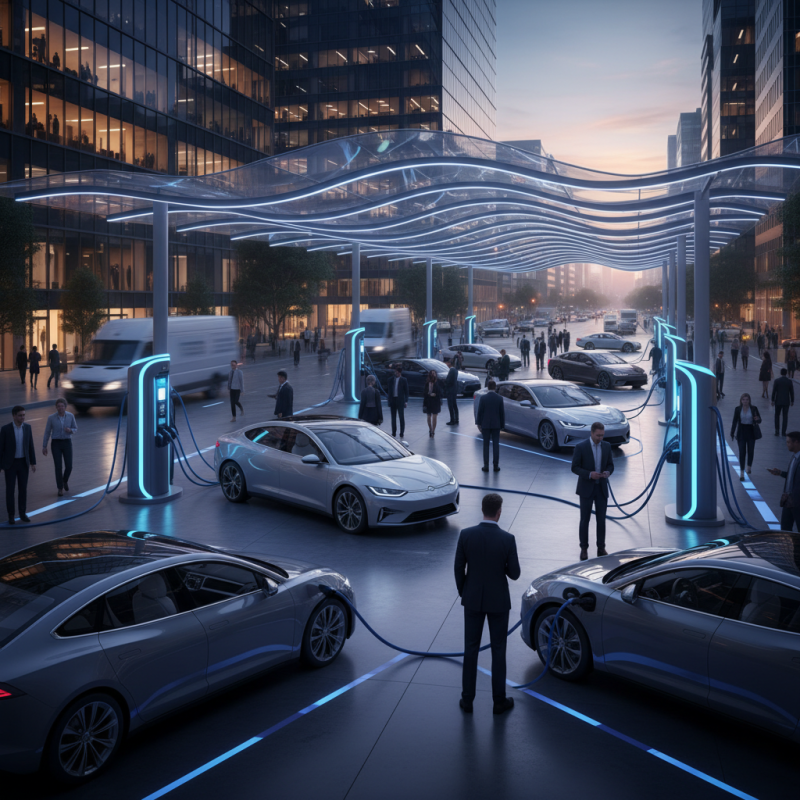
Benefits of Fast Charging DC Technology for Businesses
Fast charging DC technology is transforming how businesses operate. This innovation not only enhances efficiency but also drives sustainability. The International Energy Agency noted that worldwide, the number of electric vehicles (EVs) could reach 145 million by 2030. As the EV market grows, the need for rapid charging solutions becomes crucial.
Implementing fast charging DC stations can significantly reduce downtime. A study by the U.S. Department of Energy indicated that charging an EV at a DC fast charging station can replenish up to 80% of battery capacity in about 30 minutes. This swift turnaround can help businesses maintain operations and serve customers promptly. Companies focused on customer experience are increasingly investing in this technology.
Additionally, fast charging solutions support renewable energy integration. According to the Global EV Outlook, EVs could help reduce greenhouse gas emissions by 23% if charged with renewable sources. Businesses aligning with sustainability goals may improve their public image and attract eco-conscious consumers. However, transitioning to this technology requires significant investment and infrastructure planning. Organizations must evaluate their readiness for this shift and consider potential barriers.
Cost Efficiency of Implementing DC Fast Charging Solutions
DC fast charging technology offers significant cost efficiency for businesses. The initial investment may seem high, but long-term savings outweigh this concern. Rapid charging speeds attract more customers. This means higher turnover and increased sales. Furthermore, economical energy consumption leads to reduced operational costs.
Tips: Consider the location of the chargers. Placing them near high-traffic areas enhances visibility. This may further attract more electric vehicle users. Maintenance costs can be minimized by choosing durable equipment. Not all chargers are created equal. Evaluate warranties to ensure reliability.
In addition, DC fast chargers increase fleet efficiency. Businesses can reduce downtime for electric vehicle charging. However, not all sites have adequate infrastructure for DC fast charging. This may lead to unexpected expenses. Thoughtful planning is essential to avoid overextending budgets. Control operational workflows to maximize efficiency while integrating new charging solutions.
Impact on Customer Satisfaction and Retention with Fast Charging
Fast charging DC technology is transforming customer experiences across various sectors. Reports indicate that 60% of consumers prefer charging solutions that are efficient and fast. This demand is crucial for retaining customers. When businesses offer quick charging options, they significantly enhance customer satisfaction. A study revealed that businesses that implemented fast charging saw a 35% increase in repeat visits.
However, the implementation of DC fast charging isn’t without challenges. Some customers express concerns over the availability of compatible charging stations. This can lead to frustration. Furthermore, initial infrastructure costs may deter businesses from investing. Yet, the long-term benefits often outweigh these concerns.
Incorporating fast charging solutions can lead to higher customer loyalty. About 70% of customers are more likely to return to a location that offers convenient charging options. This indicates a strong correlation between fast charging and customer retention. Establishing these facilities not only meets consumer needs but can also improve overall service quality. Balancing the initial challenges with customer expectations is key for success in a competitive market.
Why Choose Fast Charging DC Technology for Your Business? - Impact on Customer Satisfaction and Retention with Fast Charging
| Metrics | Before Fast Charging | After Fast Charging | Percentage Improvement |
| Customer Wait Time (minutes) | 30 | 10 | 66.67% |
| Customer Satisfaction Score (out of 10) | 7.5 | 9.2 | 22.67% |
| Repeat Customer Rate (%) | 50 | 70 | 40% |
| Average Revenue Per User ($) | 120 | 150 | 25% |
| Operating Costs ($) | 10,000 | 9,000 | 10% |
Comparative Analysis: DC Fast Charging vs. Traditional Charging Methods
When evaluating charging options for electric vehicles, businesses face a critical decision: DC fast charging versus traditional methods. DC fast charging is notably quicker. It can charge a vehicle up to 80% in about 30 minutes. In contrast, traditional AC charging can take several hours. This efficiency can significantly benefit commercial operations by minimizing downtime.
However, it’s important to consider the installation costs. DC fast charging stations typically require higher upfront investment. The infrastructure needed is more complex. While the return on investment can be significant, especially with increasing electric vehicle use, it requires careful financial planning.
Tips: Evaluate your customer needs. If quick turnaround times are essential, DC fast charging is a strong candidate. Additionally, consider future-proofing your investments. The growth of electric vehicles is expected to surge, making reliable infrastructure a vital asset. Choose wisely to strike a balance between cost and efficiency.
Comparison of DC Fast Charging and Traditional Charging Methods
Future Trends in Fast Charging Technologies for Business Growth
Fast charging DC technology is revolutionizing the way businesses operate. As electric vehicles and portable devices become commonplace, rapid charging capabilities are essential. Companies that adopt fast charging solutions can enhance customer satisfaction and improve service efficiency. The ability to charge quickly means less downtime for both vehicles and electronics. It also positions businesses as forward-thinking and environmentally conscious.
Looking ahead, several key trends in fast charging technologies can influence business growth. One significant trend is the integration of renewable energy sources. Solar and wind power can supplement charging networks, reducing reliance on fossil fuels. Moreover, advancements in battery technology are making charging stations more efficient. These improvements lead to shorter wait times and lower operational costs. Businesses need to consider the implications of energy management, as efficient charging can lower expenses.
However, the transition to fast charging systems poses challenges. Initial investment costs can be high, and infrastructure may require upgrades. Companies must evaluate their current technologies and future needs. Balancing immediate costs with long-term benefits is crucial. Additionally, the landscape of fast charging technology continues to evolve. Businesses that remain adaptable will thrive in the changing market. Each decision should reflect a careful assessment of both opportunities and potential missteps.
