How to Choose the Perfect Conference Table for Your Office?
Choosing the right Conference Table is crucial for any office. The conference table sets the tone for meetings and teamwork. It should reflect your office culture and accommodate your team’s needs.
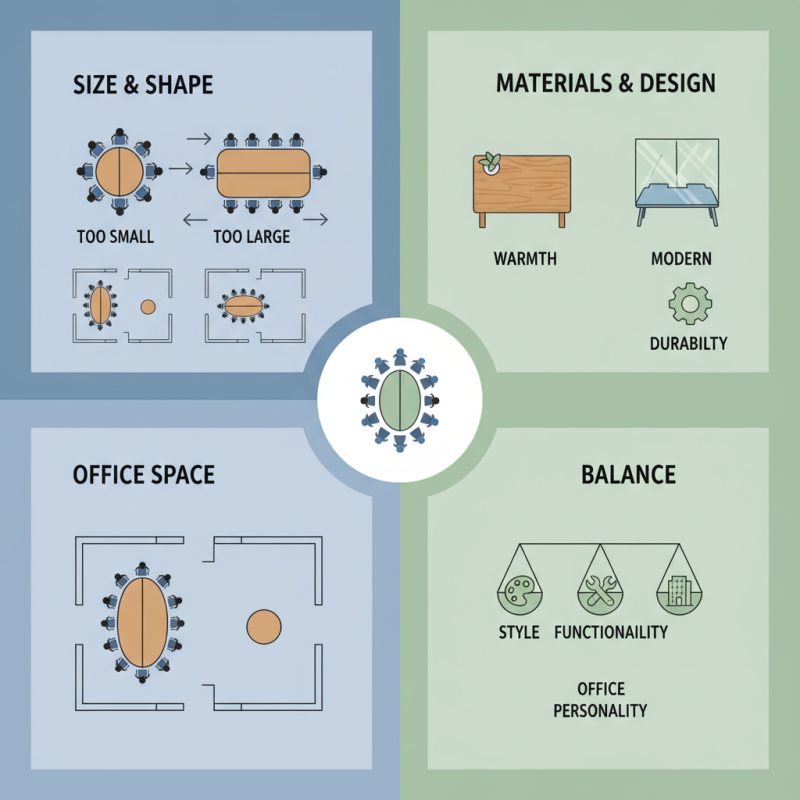
When selecting a conference table, consider its size and shape. A table that is too small can make collaboration difficult. Conversely, a table that is too large may create a disconnect among team members. Pay attention to your office space. An oversized table can overwhelm a small room, whereas a small table can feel inadequate in a large space.
Materials and design play essential roles as well. A wooden conference table may convey warmth, while glass offers a modern aesthetic. However, durability and maintenance should not be overlooked. Ultimately, choosing a conference table involves balancing style, functionality, and the unique personality of your office. Reflections on these elements will help you make a better choice.
Understanding the Importance of Conference Tables in Office Design
Conference tables play a crucial role in office design. They are not just functional pieces of furniture; they influence collaboration, creativity, and decision-making. The right table can create a welcoming atmosphere. This encourages open discussions and enhances productivity. An inviting table can also promote teamwork, making meetings more effective.
Selecting a conference table involves understanding your office culture. Consider the size of your team and the types of meetings you conduct. A long, rectangular table may suit a formal setting, while a round table can foster a more casual environment. The shape affects interaction. It might also be important to reflect on the materials used. Wood conveys warmth, while glass might suggest modernity.
You may need to think about flexibility, too. Modular tables can adapt to various needs. This can sometimes lead to confusion about which layout to choose. Additionally, don’t overlook storage. Integrated options can help reduce clutter during meetings. Each detail should reflect the values and goals of your organization. A table should inspire creativity, yet it can pose challenges in balancing style and functionality.
Determining the Right Size and Shape for Your Conference Space
Selecting the right size and shape for your conference table is crucial. It impacts meeting flow and participant interaction. According to a study by Knoll, 63% of employees feel that the configuration of their meeting space influences collaboration.
Generally, rectangular tables work well for larger groups. They facilitate clear sight lines and communication. However, a round table can foster a more intimate atmosphere. It encourages open dialogue and equality. A survey by Gensler reveals that 76% of employees prefer collaborative spaces. Such preferences underline the importance of choosing the right shape.
Size is no less significant. The ideal table should allow at least 24 inches of space per participant. This promotes comfort and engagement. A study by Steelcase found that 62% of employees want more room to express their ideas. Choosing an overly large table can lead to feelings of disconnect. Too small, and participants may feel cramped. Balancing size and shape can enhance the overall conference experience.
Conference Table Size Recommendations
Material Options: Choosing Durability and Aesthetics
Selecting the right material for a conference table significantly impacts both durability and aesthetics. Various options create different atmospheres. Wood exudes warmth and professionalism. Metal offers a sleek and modern look. Glass can be striking, but it requires careful maintenance. Each material serves a purpose based on your office's style and culture.
When choosing, consider the table’s primary use. If heavy meetings are common, durability should be a priority. Heavy wood surfaces withstand the strain of frequent use. However, they can also chip or scratch.
Metal tables can resist wear but might become cold and uninviting after hours. This tension reflects the challenge of balancing style and function.
Think about the aesthetics of your space. Do you want something bold and eye-catching? A glass table could fit, but it may not age well. On the other hand, lighter woods may look dated quickly. The choice should reflect your brand's identity while offering a welcoming environment. Consider the long-term implications of your choice carefully.
Assessing Functional Features and Technology Integration
When selecting a conference table, assessing functional features is critical. Modern offices often integrate technology into their designs. A 2023 report by Workplace Trends indicates that 78% of companies prioritize tech-friendly conference areas. Features like built-in power outlets and HDMI connections enhance productivity. Without these, meetings can lose momentum quickly.
Another essential aspect is the table's shape and size. Rectangular tables promote discussion but may limit collaboration in larger groups. Round tables encourage equal participation, making them suitable for brainstorming sessions. According to a survey by the International Facility Management Association, 62% of employees feel more engaged in collaborative settings.
Lastly, consider the materials used. Durable surfaces like laminate or high-pressure wood can withstand frequent use. However, these materials may require careful cleaning protocols. Glass tables provide a sleek look but can be harder to maintain. Balancing aesthetics with practicality is vital in decision-making. The right choices can significantly enhance meeting effectiveness, but poorly thought-out features can detract from overall functionality.
Budget Considerations for Selecting a Conference Table
When selecting a conference table, budget considerations play a crucial role. Define your budget early in the process. This will guide your choices and prevent overspending. A solid understanding of your financial boundary allows you to prioritize essential features. It is essential to balance quality and affordability without compromising functionality.
Consider the materials used in the conference table. Solid wood, for example, may be more expensive but offers longevity. Alternatively, laminate finishes are often more budget-friendly but might not hold up as well over time. Assess the trade-offs. Are you willing to invest more for durability, or would you prefer a lower initial cost? Think about how often the table will be used.
Dimensions are another critical factor. A larger table may seem ideal for collaboration, but it can strain your budget. Measure the space available in your office. A table that fits well creates a more inviting atmosphere. You may need to explore different shapes, such as oval or rectangular, to find a suitable fit. Making the right choice fills your meeting room with a sense of purpose.
How to Choose the Perfect Conference Table for Your Office? - Budget Considerations for Selecting a Conference Table
| Table Type | Material | Size (Length x Width) | Price Range | Recommended Seating Capacity |
| Rectangular | Wood | 72 x 36 inches | $800 - $1200 | 6-8 |
| Round | Glass | 60 inches Diameter | $500 - $900 | 4-6 |
| Square | Metal | 48 x 48 inches | $600 - $1000 | 4 |
| U-Shaped | Laminate | 120 x 60 inches | $1500 - $2500 | 8-12 |
| Oval | Wood | 72 x 48 inches | $900 - $1400 | 6-10 |