
Sorry. We did not find anything.
Choosing the right Oil Transfer Pump can be a challenging task. With so many options available, it’s essential to know your needs. Leading industry expert John Smith states, “Selecting the best pump requires understanding both your application and the pump’s specifications.”
An Oil Transfer Pump can vary widely in features and performance. You need to consider factors such as flow rate, material compatibility, and portability. Every detail matters. For example, a pump suitable for diesel may not work well with solvents. Research is crucial to avoid costly mistakes.
Consider how often you will use the pump. A high-end model may be unnecessary for occasional use. On the other hand, consistent use demands reliability. This decision impacts efficiency and longevity. Reflect on your specific requirements. It’s not just about buying a pump; it's about making an informed investment.
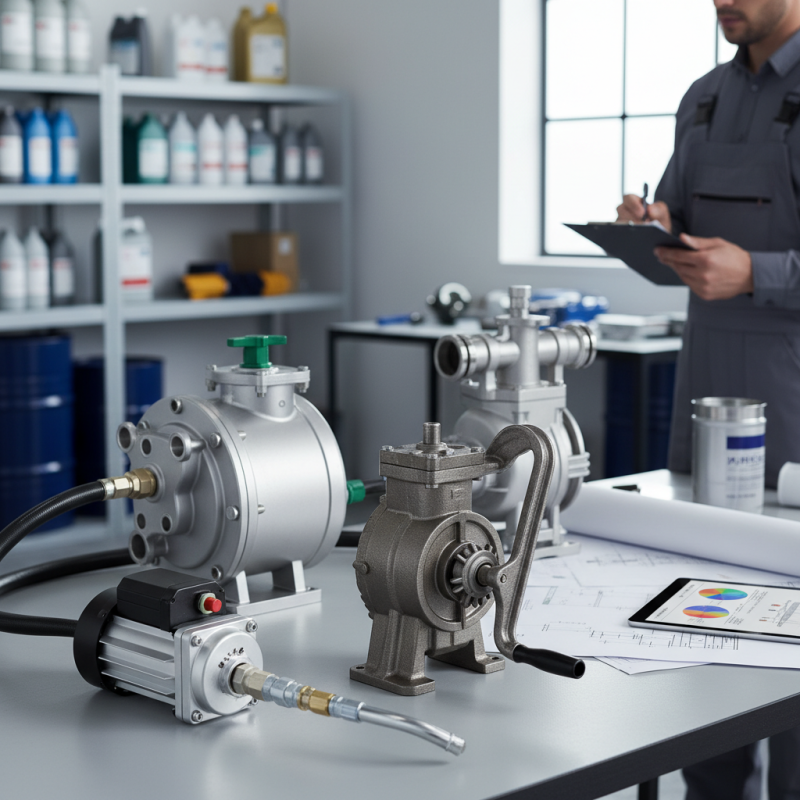
Choosing the right oil transfer pump requires understanding the type of fluid you will be handling. Different fluids have various viscosities and chemical compositions. For example, lighter oils might work well with gear pumps, while heavier oils require robust diaphragm or piston pumps. Knowing these differences ensures efficiency and safety during the transfer process.
Tips: Always check the pump's specifications for viscosity ratings. These ratings indicate which fluids are compatible with the pump. Consider the temperature and pressure of the fluid as well. High temperatures and pressures can affect pump performance.
Another factor is the pump's material construction. Some fluids may be corrosive, necessitating pumps made of resistant materials. This will prevent chemical reactions that could damage the pump over time. Regular examination of your pump is essential to ensure it meets the demands of the fluid you are transporting.
Tips: Establish a routine for checking your pump. Look for leaks or unusual noises. Consistent maintenance helps catch issues early, saving costs and extending the pump’s lifespan. Also, consider the need for portability. If you move fluids between various sites, a compact design can be invaluable.
| Fluid Type | Viscosity (cP) | Recommended Pump Type | Max Flow Rate (GPM) | Pressure Range (PSI) |
|---|---|---|---|---|
| Motor Oil | 60 | Gear Pump | 10 | 35 |
| Transmission Fluid | 80 | Diaphragm Pump | 5 | 40 |
| Hydraulic Oil | 50 | Piston Pump | 20 | 300 |
| Diesel | 40 | Self-Priming Pump | 15 | 50 |
| Biodiesel | 30 | Gear Pump | 12 | Key Factors in Assessing Pump Capacity and Flow Rate Needs When selecting an oil transfer pump, understanding pump capacity and flow rate is critical. These two factors significantly influence efficiency and performance. According to the Hydraulic Institute, optimal pump flow rates can range from 2 to 600 gallons per minute, depending on the application. Knowing your specific needs can prevent inefficient operations and reduce costs. Comparative Analysis of Pump Designs: Rotary vs. DiaphragmWhen it comes to oil transfer pumps, understanding pump design is crucial. The two main types are rotary pumps and diaphragm pumps. Each offers unique benefits tailored to different applications. Rotary pumps are typically more efficient. They provide a continuous flow and are ideal for transferring large volumes of oil quickly. According to a recent industry report, rotary pumps can handle viscosity ranges of up to 1,000 cP without significant performance loss. Understanding Material Compatibility for Enhanced DurabilityChoosing the right oil transfer pump requires more than just size and power. One critical factor is material compatibility. Many pumps fail prematurely due to incompatible materials. According to industry studies, over 30% of pump failures are linked to material issues. Understanding the fluids involved helps in selecting a suitable pump. Different fluids have unique chemical properties. For example, petroleum-based oils require pumps made of specific alloys to resist corrosion. In contrast, water-based fluids demand materials that can withstand rust and degradation. Experts recommend reviewing not just the fluid composition, but also environmental factors. Exposure to varying temperatures affects materials differently, leading to unexpected failures. Durability is a concern; pumps must withstand harsh conditions. A report highlights that 25% of pump users reported leaks due to improper materials. This emphasizes the need for detailed assessment before purchase. Selecting the wrong material can lead to costly repairs. Researching the chemical compatibility and physical durability will ensure better performance and longer service life. Make informed choices to avoid unplanned maintenance and loss of productivity. Exploring Safety Features and Compliance Standards in Oil Transfer Pumps When selecting an oil transfer pump, safety features should be a primary consideration. Many industries rely on these pumps for safe fuel handling. According to a report by the National Fire Protection Association, improper handling of fuels is a leading cause of workplace accidents. Pumps equipped with automatic shut-off systems can significantly reduce risks. These systems stop the pump when certain thresholds are reached, preventing spills and leaks. FAQS : What are the two main types of oil transfer pumps? : The two main types are rotary pumps and diaphragm pumps. What is a key advantage of rotary pumps? Rotary pumps are more efficient for transferring large volumes of oil quickly. How do diaphragm pumps prevent contamination? Diaphragm pumps offer leak-proof operation and minimize contamination risks. Why is maintenance important for pump longevity? Routine checks can prevent significant performance loss and costly repairs. What factors should be considered when selecting a pump? Consider fluid properties, volume requirements, and environmental conditions. How does material compatibility affect pump performance? Incompatible materials can lead to premature pump failures and leaks. What type of materials are needed for petroleum-based oils? Specific alloys are needed to resist corrosion from petroleum-based oils. How can temperature changes affect pump materials? Varying temperatures can lead to unexpected material failures over time. What percentage of pump failures are linked to material issues? Over 30% of pump failures are caused by material incompatibility. What is a good practice to ensure pump health? Regular inspections for wear and tear can prevent larger issues later. ConclusionWhen selecting the best Oil Transfer Pump for your needs, it is crucial to first determine your specific requirements based on the type of fluid you will be transferring. Different fluids not only vary in viscosity and chemical composition but also dictate the kind of pump that will function effectively. Key factors such as pump capacity and flow rate are essential to consider, ensuring that the pump can handle the volume and speed necessary for efficient operation. Article Source: |
| Cookie | Duration | Description |
|---|---|---|
| cookielawinfo-checbox-analytics | 11 months | This cookie is set by GDPR Cookie Consent plugin. The cookie is used to store the user consent for the cookies in the category "Analytics". |
| cookielawinfo-checbox-analytics | 11 months | This cookie is set by GDPR Cookie Consent plugin. The cookie is used to store the user consent for the cookies in the category "Analytics". |
| cookielawinfo-checbox-analytics | 11 months | This cookie is set by GDPR Cookie Consent plugin. The cookie is used to store the user consent for the cookies in the category "Analytics". |
| cookielawinfo-checbox-functional | 11 months | The cookie is set by GDPR cookie consent to record the user consent for the cookies in the category "Functional". |
| cookielawinfo-checbox-functional | 11 months | The cookie is set by GDPR cookie consent to record the user consent for the cookies in the category "Functional". |
| cookielawinfo-checbox-functional | 11 months | The cookie is set by GDPR cookie consent to record the user consent for the cookies in the category "Functional". |
| cookielawinfo-checbox-others | 11 months | This cookie is set by GDPR Cookie Consent plugin. The cookie is used to store the user consent for the cookies in the category "Other. |
| cookielawinfo-checbox-others | 11 months | This cookie is set by GDPR Cookie Consent plugin. The cookie is used to store the user consent for the cookies in the category "Other. |
| cookielawinfo-checbox-others | 11 months | This cookie is set by GDPR Cookie Consent plugin. The cookie is used to store the user consent for the cookies in the category "Other. |
| cookielawinfo-checkbox-necessary | 11 months | This cookie is set by GDPR Cookie Consent plugin. The cookies is used to store the user consent for the cookies in the category "Necessary". |
| cookielawinfo-checkbox-necessary | 11 months | This cookie is set by GDPR Cookie Consent plugin. The cookies is used to store the user consent for the cookies in the category "Necessary". |
| cookielawinfo-checkbox-necessary | 11 months | This cookie is set by GDPR Cookie Consent plugin. The cookies is used to store the user consent for the cookies in the category "Necessary". |
| cookielawinfo-checkbox-performance | 11 months | This cookie is set by GDPR Cookie Consent plugin. The cookie is used to store the user consent for the cookies in the category "Performance". |
| cookielawinfo-checkbox-performance | 11 months | This cookie is set by GDPR Cookie Consent plugin. The cookie is used to store the user consent for the cookies in the category "Performance". |
| cookielawinfo-checkbox-performance | 11 months | This cookie is set by GDPR Cookie Consent plugin. The cookie is used to store the user consent for the cookies in the category "Performance". |
| viewed_cookie_policy | 11 months | The cookie is set by the GDPR Cookie Consent plugin and is used to store whether or not user has consented to the use of cookies. It does not store any personal data. |
| viewed_cookie_policy | 11 months | The cookie is set by the GDPR Cookie Consent plugin and is used to store whether or not user has consented to the use of cookies. It does not store any personal data. |