How to Choose the Best Electric Box Truck for Your Business?
Choosing the best Electric Box Truck for your business can feel overwhelming. According to industry expert John Peterson from Fleet Innovations, "Selecting the right electric box truck is crucial for efficiency and sustainability." This statement reflects the growing need for businesses to adopt more environmentally friendly transportation solutions.
Electric Box Trucks provide various benefits, including lower operational costs and reduced emissions. However, not all electric trucks are created equal. Each business has unique requirements, making the selection process challenging. Factors like payload capacity, battery life, and charging infrastructure play vital roles in your decision.
Many businesses dive into purchasing without careful consideration. Some find their chosen truck unsuitable for their needs later on. It's essential to do thorough research. An Electric Box Truck should align with your operational goals. A hasty decision may lead to regrets down the line. Therefore, careful evaluation and expert advice are key to making the best choice.
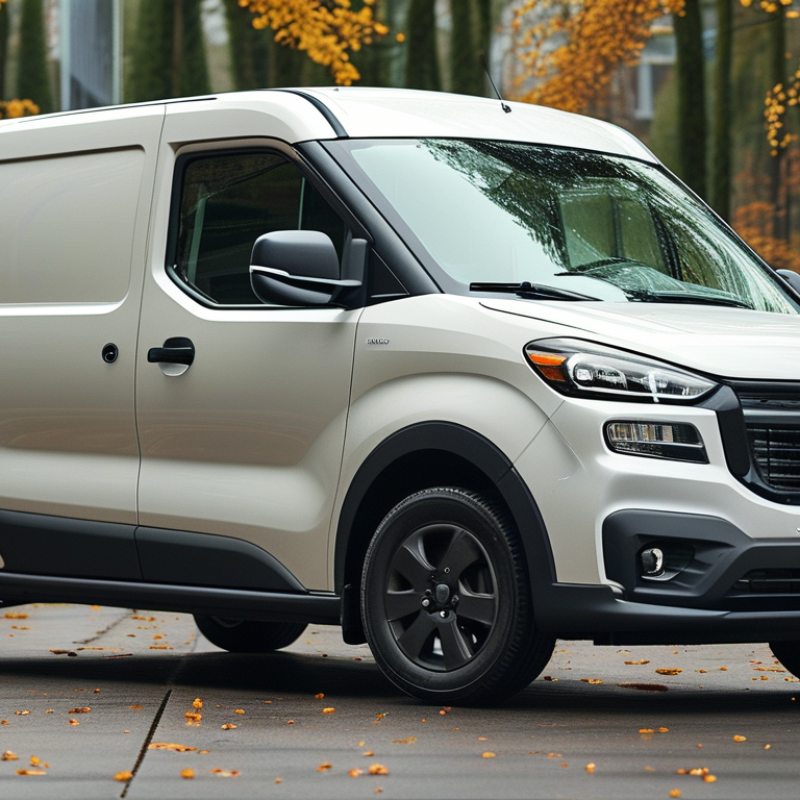
Understanding the Different Types of Electric Box Trucks Available
When choosing the right electric box truck, it’s crucial to understand the different types available. Electric box trucks come in various models, each suited for specific business needs. For instance, Class 3 trucks usually have a gross vehicle weight rating (GVWR) of up to 14,000 pounds. These trucks are ideal for urban deliveries and local services. Meanwhile, larger Class 5 trucks can handle loads between 16,001 and 19,500 pounds, making them suitable for heavier cargo.
A report by the Electric Drive Transportation Association indicates that electric trucks can reduce operational costs by up to 30%. This cost efficiency stems from lower maintenance and fuel expenses, which adds value for businesses. However, it's vital to consider range limitations. Many electric box trucks have a range of 100 to 150 miles on a full charge. Businesses may need to reassess their delivery routes and consider charging infrastructure to mitigate potential downtime.
Another factor is the weight of the cargo. Different box sizes accommodate different payload capacities. Some models may hold up to 6,000 pounds while others manage only 2,000 pounds. This discrepancy can significantly impact your operational efficiency. Thoughtful evaluation of each type can help ensure the chosen truck aligns with your logistics strategy.
Electric Box Truck Comparison
Evaluating Your Business Needs and Requirements for Sizing
When choosing an electric box truck, evaluating your business needs is crucial. Understand the dimensions of the goods you plan to transport. For example, a report from the American Transportation Research Institute indicates that improper sizing can lead to increased operational costs by up to 20%. Consider the weight capacity required for your regular cargo. Overloading can damage the truck, leading to safety concerns.
Tip: Assess your daily routes and load frequency. Are you frequently transporting lighter items over short distances? A smaller electric truck might suffice. Conversely, if your operations involve bulkier goods, investing in a larger model may be wise.
It’s essential to reflect on your expansion plans. Business growth can affect your vehicle needs. A report from the National Truck Equipment Association emphasizes that 50% of businesses wish they had prepared better for future demands when purchasing their first vehicle. Adapting to your growth can save time and money down the line.
Tip: Consult with industry experts or utilize simulation tools to better predict your needs. Getting this right from the beginning can prevent costly mistakes and ensure your choice aligns with your operational goals.
Key Features and Specifications to Look for in Electric Box Trucks
Choosing the right electric box truck for your business involves understanding key features and specifications. Battery capacity is crucial. Trucks with higher capacity can run longer without frequent recharging. Look for models that offer a range compatible with your daily operations. This ensures efficiency and reduces downtime.
Payload capacity is another important factor. Evaluate the weight of your typical cargo. An electric box truck should handle your needs without straining its limits. Safety features, such as advanced braking systems and stability control, should not be overlooked. These elements enhance driver confidence and protect valuable cargo.
Consider the truck’s charging time and infrastructure. A quicker charging option can minimize operational delays. However, not all locations provide fast charging. Research local facilities to ensure seamless integration into your logistics. Testing the vehicle is vital. Real-world driving conditions can reveal both strengths and weaknesses. Reflect on how the truck performs under different loads and terrains, helping you make an informed decision.
Comparing Cost and Budget Considerations for Your Purchase
When selecting an electric box truck, cost is a critical factor. According to the Electric Vehicle Association, the average price ranges from $50,000 to $85,000. This variation depends on features, capacity, and range. Budget forecasting is essential. Businesses must assess financing options, including leasing and loans. This could help spread out initial expenses.
Moreover, maintenance costs for electric trucks tend to be lower than for conventional ones. The U.S. Department of Energy estimates a 30% reduction in maintenance expenses. However, upfront battery replacement can be a concern. Battery warranties commonly span eight years, but replacements could be costly, averaging $15,000. For businesses, understanding these aspects aids in making informed decisions.
Evaluate the total cost of ownership (TCO). This includes fuel savings and potential government incentives. Some states offer rebates for electric vehicle purchases. Yet, many drivers report challenges with charging infrastructure. Limited charging stations can affect operational efficiency. Reflecting on these factors can reveal hidden pitfalls in budgeting for an electric box truck.
How to Choose the Best Electric Box Truck for Your Business? - Comparing Cost and Budget Considerations for Your Purchase
| Feature |
Option A |
Option B |
Option C |
| Initial Cost |
$40,000 |
$50,000 |
$60,000 |
| Annual Maintenance |
$1,200 |
$1,500 |
$1,800 |
| Battery Range (miles) |
100 |
120 |
150 |
| Loading Capacity (lbs) |
4,000 |
5,000 |
6,000 |
| Warranty Period (years) |
3 |
5 |
7 |
| Resale Value (after 3 years) |
$25,000 |
$30,000 |
$35,000 |
Assessing Maintenance and Support Options for Electric Box Trucks
When choosing an electric box truck, maintenance and support options are crucial. A study from the Automotive Research Institute indicates that regular maintenance can reduce operational costs by up to 20%. This maintenance is often more specialized than traditional trucks. Electric vehicles require different skills and parts, which may not be readily available. Businesses must factor these challenges into their decision-making.
Additionally, the availability of technical support is a key consideration. According to Fleet Management Reports, 30% of electric vehicle owners reported issues with accessing timely support. If a truck faces downtime, the impact on business can be significant. Regular service providers might need training to handle these vehicles effectively, which can lead to further delays. It's essential to identify local service options with expertise in electric technology.
Moreover, warranties and service agreements should be scrutinized. Many manufacturers offer varying terms. A limited warranty might not cover critical components. Understanding these details ensures that your investment is protected. Balancing these factors is vital for long-term success with electric box trucks.