How to Choose the Best Mobile Power Station for Your Needs?
In today's world, a reliable Mobile Power Station is essential for various activities. Whether you're camping in the wilderness or dealing with power outages, having portable energy can make a difference. According to a recent industry report, the global market for mobile power solutions is projected to reach $5 billion by 2025, reflecting their growing importance.
Understanding your needs is crucial when choosing the best Mobile Power Station. Different models offer various power outputs, battery capacities, and features. For example, a station with higher wattage and multiple AC outlets may suit heavy-duty devices. On the other hand, lighter models could be ideal for casual outings.
However, not all power stations are created equal. Some may promise high performance but fall short in real-world tests. Users should consider reliability ratings and user reviews to avoid disappointments. As the demand for portable power grows, so does the necessity for informed choices.
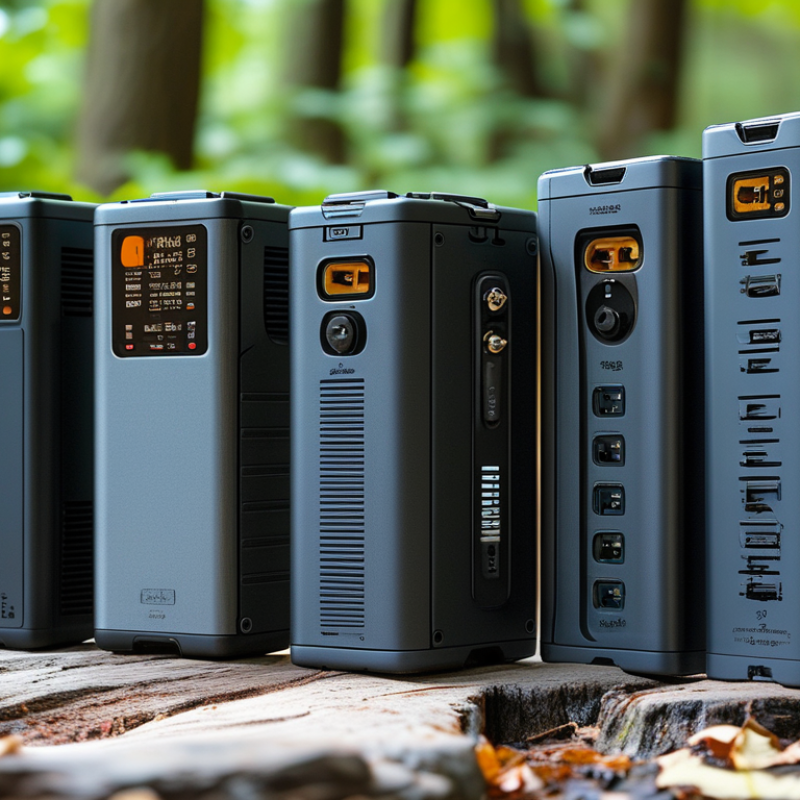
Understanding Your Power Needs: Assessing Device Requirements
When choosing a mobile power station, understanding your power needs is crucial. Start by assessing the devices you plan to charge. Each device has a specific power requirement. Laptops often need 60-100W, while phones may require just 10-20W. Identifying these numbers helps narrow down your choices.
Consider how many devices you will use simultaneously. Some power stations offer multiple outlets. Yet, using them all at once can drain the station quickly. Think about your usage patterns. Are you camping and need a longer-lasting solution? Or are you mostly charging devices at home? These reflections are important.
Don't overlook the importance of portability. Some power stations are heavy, making them less ideal for outdoor activities. Evaluate your travel habits. If you need to carry the power station often, size and weight matter. Your choice should not only meet your power needs but also fit your lifestyle.
Types of Mobile Power Stations: Comparing Different Models and Features
When selecting a mobile power station, understanding the different types and features available is crucial. There are generally three types: portable power stations, solar generators, and power banks. Portable power stations often provide higher watt hours, making them suitable for devices like laptops and small appliances. Solar generators are eco-friendly options. They can recharge using solar panels, but their initial cost can be higher. Power banks are compact and designed for charging smaller electronics, such as smartphones and tablets.
According to a report by the Outdoor Industry Association, portable power stations are experiencing a 25% annual growth in the market. Users increasingly find their multi-functional use valuable. The average capacity ranges from 150Wh to over 3000Wh. However, it's essential to assess your specific needs. For instance, a frequent camper may require more watt hours for extended trips. Meanwhile, casual users might only need a simple power bank for occasional use.
Battery technology is also significant in this space. Lithium-ion batteries remain dominant, but lithium iron phosphate (LiFePO4) batteries are gaining traction due to their longevity and safety profile. They have a lifespan of 2000 to 5000 cycles, while traditional lithium-ion options only last around 500 to 1000 cycles. However, LiFePO4 can be heavier and costlier. As the mobile power industry evolves, users must carefully weigh these factors before making an investment.
How to Choose the Best Mobile Power Station for Your Needs?
| Model | Capacity (Wh) | Weight (lbs) | Output Ports | Recharge Time (hrs) | Price ($) |
| Model A | 300 | 10 | 2 USB, 1 AC | 6 | 199 |
| Model B | 500 | 15 | 3 USB, 2 AC | 8 | 299 |
| Model C | 1000 | 25 | 4 USB, 3 AC | 10 | 499 |
| Model D | 2000 | 35 | 5 USB, 4 AC | 12 | 799 |
Key Specifications to Consider: Capacity, Portability, and Output Options
When selecting a mobile power station, key specifications play a critical role. Capacity, measured in watt-hours (Wh), determines how long your devices can charge. For example, a power station with 200 Wh can power a laptop for around 4 hours. According to industry reports, a capacity of 500 Wh meets the needs of most campers and outdoor enthusiasts. It allows for multiple devices to run simultaneously, making it an excellent option for group outings.
Portability is another essential factor. Lightweight designs are increasingly common, with many models weighing less than 20 pounds. This enables users to transport them easily, even over rugged terrain. Some units feature built-in handles or wheels for added convenience. A portable power station should also fit in a vehicle’s trunk without sacrificing space for other gear. It's vital to consider these practical aspects when making your choice.
Output options enhance functionality. Look for stations with multiple AC, USB, and DC ports. This versatility supports various devices, from smartphones to small appliances. Recent studies indicate that units with a mix of these outputs are more popular and preferred by users. However, many overlook the importance of inverter quality, which impacts efficiency and safety during use. Balancing these specifications requires careful thought, as each might affect your experience differently in real-world scenarios.
Budgeting for a Mobile Power Station: Finding the Right Price Point
When budgeting for a mobile power station, it’s vital to determine your specific needs. Assess what devices you intend to power. Consider the total wattage requirements of these devices. This will help in narrowing down options. Not every power station is created equal. Understanding this can save you both time and money.
Next, think about the features you want. Some power stations have multiple charging ports, while others focus on longer battery life. Balance these needs with your budget. A low-cost option may lack essential features, while a high-end model might offer functions you don’t need. Reflect on what truly matters for your use case.
Lastly, do thorough research to find reliable reviews. Cross-check sources to gauge real-user experiences. It’s wise to keep a flexible budget. Prices can vary significantly based on sales and upgrades. Remember, a cheaper option might lead to more frustration in the long run. Keep an open mind while shopping, and don't rush into a decision.
Additional Features: Evaluating Extra Functions Like Solar Charging
When choosing a mobile power station, evaluating additional features is essential. One of the most popular features is solar charging. Having this capability can be a game-changer, especially for outdoor enthusiasts. Solar charging provides an eco-friendly way to keep devices powered. However, not all solar panels are created equal. The efficiency can vary, impacting how quickly you can recharge.
Consider the wattage ratings of solar panels. A higher wattage translates to faster charging times. But, this often means a more expensive unit. If budget constraints exist, a lower wattage solar panel might be more feasible, though it will take longer to charge the power station. This might lead to frustrating waiting periods during outdoor adventures.
Evaluating the durability of the solar charging system is also crucial. Look for weather-resistant features. This ensures your solar equipment can withstand the elements. Portable solar panels should ideally be lightweight and compact for easier transport. However, be wary of thin and flimsy designs; they may not hold up well over time. Assessing these factors can help you find a mobile power station that meets your needs while avoiding unnecessary headaches.
Evaluating Additional Features in Mobile Power Stations
