7 Tips for Choosing the Best 250 CC Dirt Bike
Choosing a 250 Cc Dirt Bike is about more than engine size or showroom shine. The right model should match your height, riding experience, terrain, and maintenance budget. A bike that feels manageable on a flat lot may feel very different on a rutted trail. Small details matter: seat height, throttle response, suspension setup, and how easily you can reach the controls.
Veteran motocross racer and analyst Jeff Emig is a useful voice to consider when thinking about control and technique. A practical principle associated with his riding expertise is: “Choose control and fit before chasing extra speed.” This is an editorial paraphrase, not a verified verbatim quotation. It captures an important point: power alone cannot make an uncomfortable bike feel right. Still, even a careful checklist has limits. Your body, skill level, and local riding conditions can change what works best.
This guide introduces seven tips for comparing a 250 Cc Dirt Bike, from seat height and engine character to suspension, reliability, and ownership costs. Look closely at how the bike feels beneath you, not only at its specifications. Ask about service history when considering a used model, and check for worn tires, leaks, or stiff controls. Take your time. A confident fit beats a rushed decision, though no single checklist can replace a proper inspection and a sensible test ride.
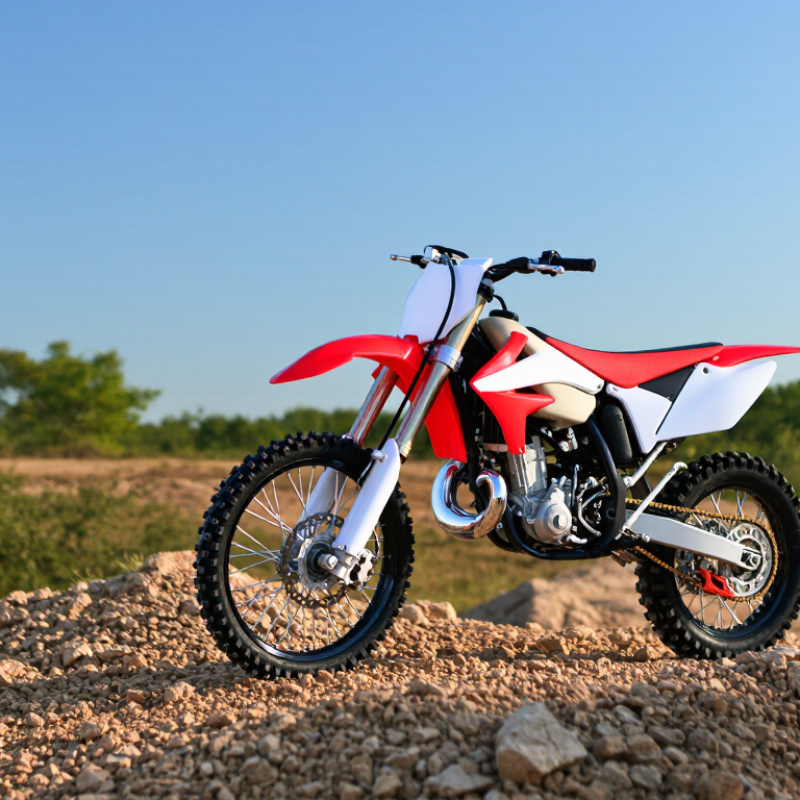
Define Your Riding Goals and Experience Level
Before choosing a 250 cc dirt bike, picture where you will actually ride. A narrow wooded trail calls for different handling than a wide, open track. Think about your usual terrain, typical ride length, and whether you will ride alone or with experienced friends. Be specific.
Your experience matters just as much. A 250 cc bike can feel manageable to one rider and tiring or abrupt to another. Engine type, power delivery, gearing, and overall weight all affect how it behaves, so engine size alone tells only part of the story. That matters. If you are new to dirt riding, consider how confidently you can control the throttle, clutch, and brakes on uneven ground. A powerful bike may sound appealing, but steady control is more useful than speed.
If possible, sit on the bike and try a supervised test ride before deciding. With your boots on, check whether you can balance it comfortably and reach the controls without straining. On a gentle slope, notice how easily you can start, stop, and turn. Small details count. Be honest about what feels difficult; it is easy to underestimate fatigue after a few rough miles. Your ideal choice should suit the riding you do now, while leaving room to build skill gradually.
Compare Engine Performance and Power Delivery
Engine size alone tells you little about how a 250 cc dirt bike will feel. Compare its torque curve, power curve, and usable rev range, not just the peak horsepower figure. SAE International’s J1349 engine test code describes procedures for measuring net engine power under defined conditions. When published test data names its method, you can make a fairer comparison; an unexplained peak number is harder to trust. Remember that engine figures and rear-wheel readings are not the same.
Tip: Look for steady torque through the middle of the rev range. That is where a bike often needs to pull out of a loose corner or climb a short hill. Check whether the power arrives smoothly or suddenly. Small detail matters.
Match delivery to your riding. A sharp hit may feel exciting on open trails, but it can tire newer riders on tight, slippery turns. A softer response may be easier to manage, though it can feel flat in deep sand. I still tend to overvalue peak power; that is a bias worth checking. Compare independent dyno charts only when the test method, correction conditions, and setup are disclosed, and treat a single chart as evidence—not a guarantee of how every bike will perform.
7 Tips for Choosing the Best 250 CC Dirt Bike: Compare Engine Performance and Power Delivery
Use the curve to compare how a representative 250 cc four-stroke engine builds torque and power as engine speed rises.
How to read it: Stronger low- and mid-range torque can make a bike easier to ride on technical trails, while higher peak power can help at higher speeds. Values shown are illustrative estimates for a generic engine, not results from a specific bike; actual output varies with design, tuning, and measurement method.
Check Bike Fit, Weight, and Seat Height
A 250 cc dirt bike can feel manageable on paper and awkward in the driveway. Check the seat height against your inseam, not just your overall height. The CDC’s NHANES 2015–2018 anthropometric report gives average U.S. adult heights of about 5 ft 9 in for men and 5 ft 4 in for women. Those averages are context, not fit rules. Leg length varies, and boots add a little reach.
Sit on the bike in riding boots. Let it settle under your weight, then check whether you can place one foot firmly down while keeping the other near the peg. You do not need both feet flat. But if you must lean sharply just to steady the bike, slow-speed turns and uneven stops may feel stressful. Small details matter. Handlebar reach and peg position can change how cramped or stretched you feel.
Check weight, too, and ask whether the listed figure is dry or includes fuel and fluids. A bike that feels light in a showroom may feel different on a sloped trail. I’d once trust a spec sheet too much; I wouldn’t now. If possible, lift the bike gently off its stand and roll it through a tight turn. Ask a trained instructor or experienced fitter to watch your stance. Their feedback can catch what a quick sit-test misses.
Evaluate Suspension, Brakes, and Build Quality
When choosing a 250 cc dirt bike, inspect suspension behavior, not just advertised travel. Press down on the front and rear; they should move smoothly and return without bouncing repeatedly. Check fork seals for oily rings, and feel for play around the swingarm and linkage. A small leak matters. Ask whether the spring suits your weight and riding terrain. A capable suspension can still feel harsh if its setup is wrong. I’d be cautious about judging it from a showroom bounce alone; that test tells you little about rough-trail control.
Brakes deserve a close look. Check pad thickness, rotor condition, lever feel, and whether the wheels spin freely after braking. NHTSA’s 2022 Traffic Safety Facts recorded 6,218 motorcyclist deaths on U.S. roads. That figure is not specific to off-road riding, but it underscores why predictable braking matters. For build quality, inspect welds, fasteners, cable routing, and exposed hoses for damage or rubbing. Ask for the service history, then inspect the bike cold. A clean exterior can hide neglected bearings. Don’t treat a firm brake lever or tidy frame as proof of quality; condition and consistent operation matter more.
Balance Price, Maintenance, and Parts Availability
For a 250 cc dirt bike, the purchase price is only the opening cost. Budget for oil, filters, tires, chains, and occasional suspension work. The U.S. Bureau of Labor Statistics’ Consumer Price Index showed motor-vehicle maintenance and repair prices about 6% higher year over year in spring 2024. That figure covers broader vehicle services, not dirt bikes specifically, but it signals why a small repair reserve matters. Keep one. Even a worn chain can turn a low-priced bike into a costly surprise.
Compare service needs before choosing. Ask a mechanic or experienced owner how often the model typically needs valve checks, and price those jobs locally. Check the owner’s manual, too; riding in dust can mean more frequent air-filter cleaning. A cheap bike may still demand expensive specialist labor. I would not assume every routine task is an easy home repair.
Parts access can matter as much as price. Search by exact model year for filters, brake pads, levers, sprockets, and common plastics. Call a nearby shop to confirm what it can order, and ask about delivery times. A listing online is not proof of dependable stock. This check is imperfect: availability changes, and older models can be unpredictable. Still, a few minutes spent confirming part numbers may prevent weeks of waiting after a minor crash.
