How to Choose the Best Carbon Filters for Your Needs?
In today's world, Carbon Filters have become essential for improving air and water quality. They effectively remove impurities, odors, and harmful substances. Choosing the right carbon filter can be overwhelming due to the variety of options available. Factors like size, type, and application impact functionality and efficiency.
Recognizing your specific needs is crucial in this selection process. For instance, a home water filter may differ greatly from an air purification system. Consider the environment where the filter will be used. Certain filters work better in high humidity, while others focus on chemical absorption. Personal experiences and reviews from trusted sources can guide your choice.
However, it's important to acknowledge that not all Carbon Filters are created equal. Some may underperform or fail to meet expectations. Reflect on the certifications and performance ratings to ensure reliability. Balancing cost and effectiveness is another challenge. It requires careful thought but ultimately leads to a better choice for your health and environment.
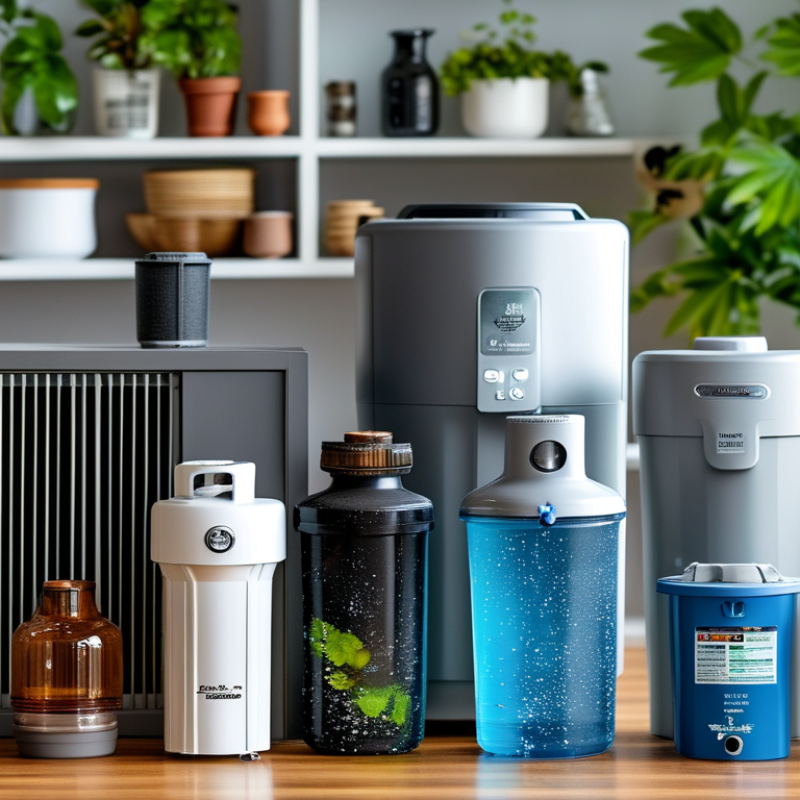
Understanding the Basics of Carbon Filters and Their Applications
Carbon filters serve diverse purposes. They excel in air and water purification. Understanding their basics helps in selecting the right type. Activated carbon is the key ingredient. It captures impurities through adsorption. This process effectively removes odor, chlorine, and organic compounds.
When choosing carbon filters, consider the application. Residential air purifiers may require different specifications than aquarium filters. The filter's size, type of carbon, and lifespan matter significantly. For instance, larger filters often last longer. However, they may be more cumbersome to install. Always verify efficiency ratings for clarity.
Reflecting on your choice is vital. Personal preferences and specific needs play a role. Are you prioritizing odor removal or chemical filtration? Evaluating your environment can guide your decision. If you're enthusiastic about sustainability, choose eco-friendly options. It’s essential to balance effectiveness with your ethical values.
Comparison of Carbon Filter Types
This chart compares the effectiveness of various carbon filter types in removing impurities from air and water. Activated Carbon has the highest effectiveness, followed by Granular Activated Carbon, Carbon Block, and Catalytic Carbon.
Identifying Your Specific Filtration Needs and Requirements
When choosing carbon filters, it's crucial to identify your specific filtration needs. Different scenarios require distinct solutions. For instance, indoor air quality concerns may focus on VOCs and odors, while water filtration targets contaminants such as chlorine or heavy metals. According to the World Health Organization, poor air quality contributes to 4.2 million premature deaths annually. Effective filtration can mitigate these risks.
Evaluating your environment is equally important. If you live in a high-pollution area, activated carbon filters tailored for gas removal will be essential. In contrast, if you are concerned about bacteria in your water supply, look for filters with additional chemical treatments. A study from the Environmental Protection Agency highlights that not all carbon filters are created equal. They vary greatly in their adsorption capacities depending on the material quality and design.
Remember, not every carbon filter will meet your unique needs. Some may claim to filter a wide range of contaminants but perform poorly in practice. It’s wise to review third-party performance data and user experiences. Conducting research can prevent unnecessary purchases and wasted resources. Making informed decisions ensures you select the best filter for your specific requirements.
Evaluating Different Types of Carbon Filters Available
Choosing the right carbon filter involves understanding their different types and functionalities. Activated carbon filters are among the most common. They effectively reduce pollutants like volatile organic compounds (VOCs) and odors. According to a report by the Environmental Protection Agency (EPA), these filters significantly improve indoor air quality by removing harmful airborne particles.
Another option is coconut shell carbon filters. They offer high adsorption capabilities due to their porous structure. Research shows that they can remove more than 99% of certain contaminants from water and air. This makes them a choice for those focused on sustainability and efficiency.
Tips: Always check the filter’s certification to ensure quality. Look for data on its contaminant removal rates. Pay attention to the lifespan of the filter. Some inexpensive options may need frequent replacement, leading to higher costs over time. Not all filters perform equally, so consider your specific needs carefully.
Considering Filter Size, Shape, and Compatibility with Your System
When selecting carbon filters, size and shape are crucial. Filters come in various dimensions. Measure your system before purchasing. An improperly sized filter can lead to inefficiency. Ensuring a snug fit maintains optimal airflow and filtration.
Compatibility with your system is vital too. Some filters work well with specific brands or types of systems. Check the specifications carefully. Mismatched filters may not function as intended. You might find yourself replacing them sooner than expected.
Tips: Consider the airflow requirements of your system. Different setups have unique demands. A filter's performance can vary with size and shape. Regularly inspect your filters. Change them as needed. Misjudging the replacement timeline can hamper effectiveness. A little attention goes a long way in maintaining air quality.
How to Choose the Best Carbon Filters for Your Needs?
| Filter Type | Size (inches) | Shape | Compatibility | Lifespan (months) |
| Activated Carbon Filter | 10 x 4.5 | Round | Standard Water Systems | 6-12 |
| Granular Activated Carbon Filter | 12 x 6 | Rectangular | Industrial Systems | 12-24 |
| Carbon Block Filter | 10 x 2.5 | Cylindrical | Under-Sink Filters | 6-12 |
| Carbon Mesh Filter | 14 x 6 | Square | Air Purifiers | 3-6 |
Assessing Quality and Performance Ratings of Carbon Filters
Choosing the right carbon filter requires careful consideration of quality and performance ratings. Various studies indicate that a higher surface area of activated carbon leads to better adsorption rates. For instance, a comprehensive industry report shows that a filter with 1000 m²/g surface area can capture more contaminants effectively. This statistic demonstrates the importance of understanding the filter's composition.
When evaluating performance, check the MERV rating. MERV stands for Minimum Efficiency Reporting Value. Filters rated between 8 and 13 are effective for residential use. They remove particles as small as 3 microns, which includes dust and mold spores. However, some carbon filters may not perform consistently across all particle sizes. Look for independent lab tests that provide verification of results.
**Tip:** Always look for filters that contain a mixture of different carbon types. This variety enhances the filter's ability to tackle various pollutants.
**Tip:** Pay attention to the lifespan of the filter. Some filters may seem efficient but require frequent replacements, leading to higher long-term costs. The reports suggest a balance between cost and performance ratings for effective filtration.
