
Sorry. We did not find anything.

How to Choose the Best Tricycle Motor Bike?

Choosing the best Tricycle Motor Bike requires more than comparing prices or bright showroom colors. The right model must match real working conditions. Consider payload, road slope, battery range, charging time, braking performance, and after-sales support. A delivery rider may need a strong rear axle. A family user may value suspension and weather protection. These needs are not interchangeable.

The International Energy Agency reported nearly 600,000 electric three-wheelers sold in India during 2023. Electric models represented more than half of the country’s three-wheeler sales. This signals strong demand, but it does not make every vehicle a smart purchase. Battery quality, motor efficiency, and replacement costs still vary widely. Mordor Intelligence also identifies urban delivery and short-distance transport as major growth areas for electric three-wheelers. The market looks promising. Some claims still sound better than the evidence.

Fatih Birol, Executive Director of the IEA, said, “The global electric car market is experiencing explosive growth.” His observation supports a wider shift toward electric mobility, including practical three-wheel transport. However, buyers should inspect the details themselves. A long range figure may assume light loads and flat roads. That is where many decisions go wrong. This guide will examine motor power, battery chemistry, carrying capacity, safety equipment, warranty terms, and total ownership cost. The best Tricycle Motor Bike is not always the fastest or cheapest. It is the one that keeps working when the road becomes steep, the cargo becomes heavy, and charging access becomes inconvenient.
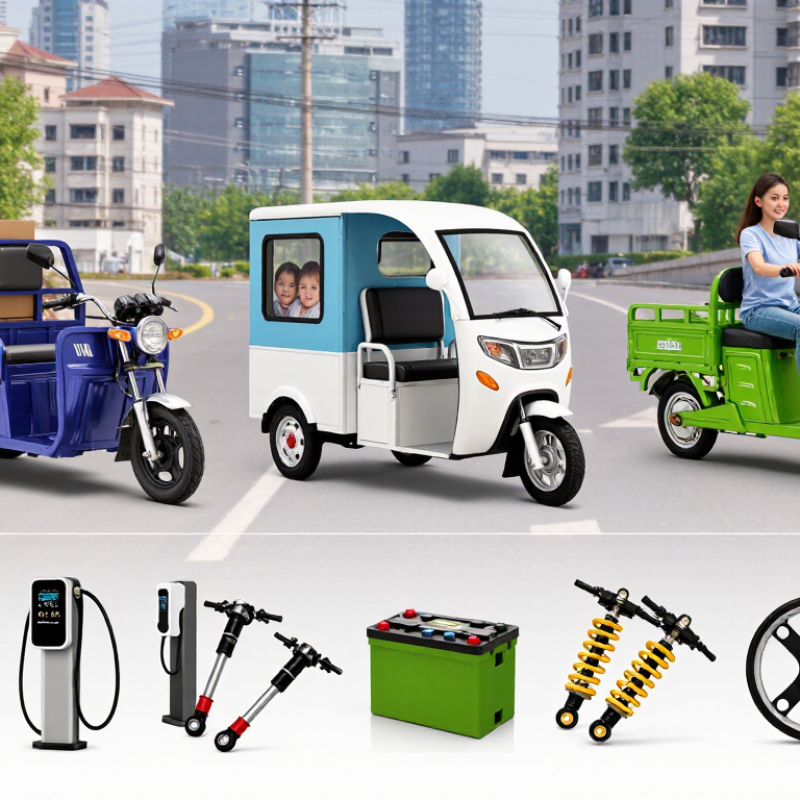
How to Choose the Best Tricycle Motor Bike?

Define Your Tricycle Motor Bike Needs and Intended Use

How to Choose the Best Tricycle Motor Bike?

Before comparing models, define the work your tricycle motor bike must perform. A short commuter route needs different specifications from daily cargo delivery. Record your usual distance, road surface, passenger load, and parking conditions. A narrow frame may suit crowded streets, while a stronger rear platform helps with vegetables, tools, or parcels. Do not estimate payload casually. Weigh a typical load and add a safety margin.

The International Energy Agency reported about 580,000 electric three-wheeler sales in India during 2023. This growth reflects practical demand, not only environmental interest. Electric models can fit short urban routes, but battery size must match your actual schedule. Check the usable range, charging time, battery warranty, and performance on slopes. A claimed range may fall with heavy cargo, cold weather, or frequent stops. That detail is easy to overlook.

Test the riding position before purchasing. Your hands should reach the controls without stretching, and your feet should rest securely at stops. Ask about braking performance, tire availability, lighting, and service support in your area. For commercial use, downtime costs more than a slightly higher purchase price. I would also measure doorways and loading spaces first. Small mistakes become expensive. Industry specifications are useful, but a real route test often reveals more than a brochure.

How to Choose the Best Tricycle Motor Bike? - Define Your Tricycle Motor Bike Needs and Intended Use

Intended Use Recommended Configuration Typical Payload Typical Motor Output Typical Battery Capacity Typical Riding Range Key Selection Priorities
Daily commuting Compact electric tricycle with upright seating, lights, fenders, and a rear rack 100–150 kg, including rider and luggage 250–500 W nominal 400–600 Wh 30–70 km per charge Comfort, manageable width, reliable brakes, weather protection, and battery removal
Grocery and personal cargo Rear-load cargo tricycle with a stable cargo box or large basket 120–200 kg, including rider and cargo 500–750 W nominal 500–800 Wh 25–60 km per charge Cargo volume, low step-through height, parking stability, and reinforced wheels
Commercial delivery Long-tail or box cargo tricycle with a reinforced frame and high-capacity battery 150–300 kg, including rider and goods 750–1,000 W nominal 800–1,200 Wh 30–80 km per charge Payload rating, motor torque, battery replacement cost, serviceability, and braking capacity
Passenger transport Rear-seat passenger tricycle with a reinforced passenger frame, footrests, and seat belts where required 160–250 kg, including rider and passenger 500–1,000 W nominal 600–1,000 Wh 25–60 km per charge Frame strength, passenger comfort, balanced weight distribution, and hydraulic or high-quality mechanical brakes
Assisted mobility and recreation Low-step electric tricycle with an ergonomic seat, adjustable handlebars, and easy-to-use controls 100–150 kg, including rider and light cargo 250–500 W nominal 400–700 Wh 30–70 km per charge Step-through access, parking brake, stable low-speed handling, suspension, and simple display controls
Hilly routes Electric tricycle with a torque-sensing system, lower gearing, and a mid- or high-torque hub motor 100–200 kg, including rider and load 500–1,000 W nominal 600–1,000 Wh 20–50 km per charge Hill-start performance, motor torque, thermal management, gear range, and battery size
Unpaved paths and mixed terrain All-terrain tricycle with wide pneumatic tires, strong rims, suspension, and sealed electrical components 100–180 kg, including rider and load 500–750 W nominal 500–900 Wh 20–55 km per charge Ground clearance, tire width, suspension, corrosion resistance, and wheel alignment
Important: Actual range depends on total load, terrain, tire pressure, rider input, temperature, wind, speed, and battery age. Always compare the rated payload, braking system, local speed limits, electrical regulations, and available replacement parts before purchasing.

Compare Engine Types, Power, and Fuel Efficiency

How to Choose the Best Tricycle Motor Bike?

Compare Engine Types, Power, and Fuel Efficiency

Choosing a tricycle motor bike starts with its daily workload, not its appearance. A light petrol engine suits short urban trips and frequent stops. It usually offers simple refueling and familiar maintenance. However, fuel use can rise quickly when carrying heavy goods uphill.

Diesel engines often produce stronger low-speed torque for cargo work. They can handle demanding routes, but the vehicle may feel heavier and noisier. Electric power systems are quiet and responsive at low speeds. They work well for predictable trips with charging access. Their range may drop sharply with heavy loads, steep roads, cold weather, or repeated acceleration.

Power figures need careful interpretation. Horsepower affects speed, while torque helps the bike start under load. A high power rating does not guarantee better performance. Check the payload rating, climbing ability, cooling system, and transmission. During a test ride, carry a realistic load and watch how quickly the motor responds from a stop. Small details matter.

Fuel efficiency depends on driving habits. Smooth acceleration saves energy, while underinflated tires waste it. I once underestimated how much hills affected consumption. That mistake changed my testing method. Record distance, load, road slope, and refueling or charging time for several trips. One short test can mislead. Also inspect service access, battery replacement costs, and local repair support before choosing.

Evaluate Load Capacity, Stability, and Riding Comfort

How to Choose the Best Tricycle Motor Bike?

Evaluate Load Capacity, Stability, and Riding Comfort

A capable tricycle motor bike should match your real carrying needs, not an optimistic estimate. Check the rated payload, including the rider, passengers, battery, and tools. A model carrying 150 kilograms may feel strained on steep roads. Ask how the rating was tested. Specifications can be incomplete.

Stability depends on more than three wheels. A wide rear axle, low battery position, and strong frame can reduce leaning during turns. Test the bike at walking speed, then brake gently on a slight slope. The rear wheels should remain planted. Avoid sharp steering movements. I once underestimated turning space in a crowded yard, and the experience was uncomfortable. A wider body may improve balance but require more parking room.

Riding comfort affects daily use. Look for an adjustable seat, padded back support, and handlebars that keep your wrists relaxed. Large pneumatic tires can soften rough pavement, while basic suspension may reduce vibration on longer trips. Check brake levers with both hands. They should feel firm, not spongy. Motor response also matters; smooth acceleration feels safer than sudden power. Sit on the bike for ten minutes if possible. Short tests can hide pressure points. Consider a footrest, weather protection, and easy battery access for regular errands. Weight distribution remains important when the cargo area is full. A comfortable empty ride may change noticeably under load.

Check Safety Features, Build Quality, and Maintenance Needs

Choosing a tricycle motor bike starts with the brake lever, not the paint. On a short test ride, squeeze both brakes gently and firmly. The frame should track straight, without clicking from steering joints. Check front and rear lamps, reflective panels, mirrors, a horn, and seat-belt anchoring. WHO reports that helmets can reduce road-crash deaths by about 42% and brain injuries by 69%. A fitted helmet remains essential, even inside a cabin. Small details matter.

Ask for the frame, axle, tire, and total load ratings in writing. A welded frame should show even beads, without visible gaps or sharp unfinished edges. Check tire sidewalls for cracks, uneven wear, or low pressure. NHTSA analysis found motorcycles with ABS had a 22% lower fatal-crash rate than comparable motorcycles without ABS. That is useful evidence, but it does not prove equal protection for every three-wheeler. Treat it as a benchmark, not a promise.

Maintenance needs should be visible before purchase. Open service panels and inspect battery connectors, brake cables, chain tension, and fasteners. The U.S. Department of Energy’s Alternative Fuels Data Center notes that electric vehicles generally need less routine maintenance because they use fewer moving parts. Still, batteries, tires, brakes, and suspension parts remain safety-critical. Ask for service intervals and replacement costs. I would not trust a polished weld alone; a quick inspection can miss fatigue cracks. That is an uncomfortable limitation.

Set a Budget and Choose a Reliable Manufacturer

How to Choose the Best Tricycle Motor Bike?

Set a realistic budget before comparing tricycle motor bikes.

Include the purchase price, delivery, registration, routine service, and replacement parts. A low price can hide expensive repairs later. I once saw a buyer focus on the sticker price and overlook battery replacement costs. That mistake changed the entire budget.

Reliable manufacturers provide clear specifications and practical warranty terms.

Ask about motor power, payload capacity, charging time, frame materials, and braking performance. Request test reports or safety certificates when available.

A serious manufacturer should explain how each model performs on hills, uneven roads, and frequent stops. Details matter.

Check the service network before placing an order.

Can the manufacturer supply brake pads, tires, controllers, and batteries within a reasonable time? Speak with existing users if possible. Their daily experience may reveal weak points that brochures do not mention.

Factory photos are not enough. Ask for production records, inspection procedures, and written after-sales support. A manufacturer that avoids direct answers deserves caution.

I would also keep a reserve fund for unexpected repairs, because even a well-built vehicle can develop problems.

Be practical, not overly optimistic.