How to Choose a Rotary Pouch Packing Machine?
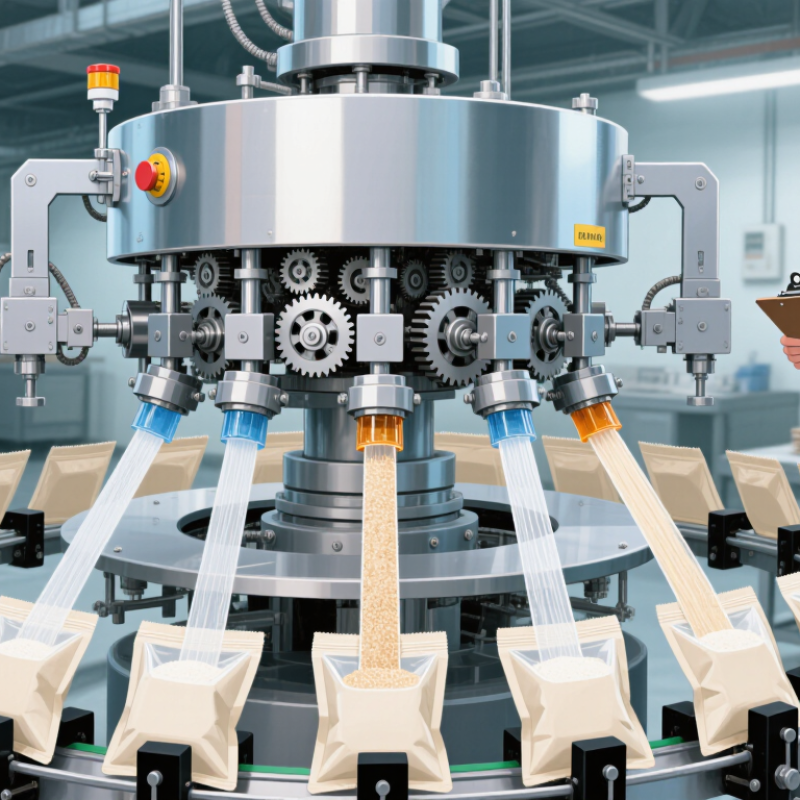
Choosing a rotary pouch packing machine is not simply a matter of comparing advertised speed. A rotary pouch packing machine must match the product, pouch format, output target, and factory conditions. Powders, granules, snacks, and liquids create different dosing and sealing challenges. A fast machine can still waste material when the filler struggles with dust, bridging, or uneven flow. During a practical evaluation, inspect the complete cycle, from pouch pickup to final discharge. Watch how the machine handles pouch alignment, zipper opening, filling accuracy, nitrogen flushing, and heat sealing. Small details matter. Ask to see real samples.
A reliable decision combines operating experience with verified technical evidence. Request test results using your actual product, pouch film, and target weight. Confirm achievable speed, accuracy, changeover time, air consumption, electrical requirements, and cleaning access. Check whether the sealing system supports your material structure and production environment. Supplier support matters too. Spare parts availability, operator training, remote assistance, and service response can affect long-term performance. Review manuals, safety documentation, and applicable quality requirements before purchase. Do not rely on impressive videos alone. They may show ideal conditions. No machine is perfect, and initial specifications can be misunderstood. Record every assumption, including future pouch sizes and possible product changes. A careful selection process may feel slower, but it reduces expensive surprises after installation. That is the practical purpose of this guide.
Define Your Product, Pouch Format, and Packaging Requirements
How to Choose a Rotary Pouch Packing Machine?
Define the product before comparing machine speed. Powder, granules, liquids, and fragile pieces behave differently during filling. A dusty powder may contaminate sealing jaws, while oily products can weaken seal integrity. Record density, particle size, moisture, temperature, and flow behavior. Smithers’ The Future of Flexible Packaging to 2028 forecasts continued growth in flexible packaging, increasing pressure for reliable, material-efficient equipment. The opportunity is substantial, but product testing remains essential.
Then define the pouch format precisely. Consider flat or stand-up pouches, zipper requirements, spouts, corner seals, and film structure. Measure pouch width, height, gusset depth, and acceptable tolerance. A machine rated for 100 pouches per minute may slow considerably with zippers or awkward products. PMMI industry reports repeatedly identify labor availability and automation as major packaging concerns. Automatic film tracking, recipe storage, and tool-free adjustments can reduce operator dependency.
Packaging requirements should include output, filling accuracy, seal strength, coding, cleaning, and changeover time. Ask for a factory test using your actual product and film. Inspect rejected pouches, not only attractive samples. A short trial can reveal dust buildup, inconsistent weights, or weak seals. I have seen well-designed projects fail because the test product was too ideal. That mistake is easy to repeat. Leave room for future formats, but avoid paying for features your line will never use.
Calculate Production Capacity and Machine Speed
When choosing a rotary pouch packing machine, calculate capacity from real production conditions, not the brochure’s maximum speed. Use this formula: hourly output = cycles per minute × pouches per cycle × 60 × OEE. For example, 45 cycles per minute with eight pouches per cycle produces 21,600 gross pouches per hour. At an 85% OEE, the practical output falls to about 18,360 pouches. The 85% benchmark is widely used in manufacturing performance studies and reflects availability, performance, and quality losses.
Check your demand first. If the order requires 12,000 saleable pouches per hour, this example provides useful margin. However, pouch size, sealing temperature, film tension, filling accuracy, and changeover time can reduce speed. PMMI packaging industry reports repeatedly identify labor availability, downtime, and format changes as major operational concerns. I would not select a machine using only its advertised cycles per minute. Run a product trial with your actual film and filling material. This estimate can be wrong.
Tips: Record stoppages for two weeks before purchasing. Separate planned changeovers from unexpected faults. Add a realistic quality factor, usually below the ideal 99.9% benchmark cited in world-class OEE studies. Ask for test results at your target pouch weight, seal width, and operating speed. A machine running at 70% capacity may outperform a faster unit that frequently rejects pouches. Leave room for seasonal demand, but avoid buying excessive capacity. Empty capacity still costs money.
How to Choose a Rotary Pouch Packing Machine?
Calculate production capacity from machine speed and effective operating time
The calculation assumes one pouch is discharged per indexing cycle, 60 minutes per hour, and 85% effective uptime after allowing for loading, sealing adjustments, material changes, and minor stoppages. Theoretical capacity is calculated as machine speed × 60, while practical capacity is calculated as machine speed × 60 × 85%.
Compare Filling Systems and Sealing Options
How to Choose a Rotary Pouch Packing Machine?
Filling accuracy and sealing quality should guide your rotary pouch packing machine choice. The filling system must match product texture, density, and flow behavior. Auger fillers suit powders. Multihead weighers handle snacks and irregular pieces. Volumetric cup fillers work well with free-flowing granules. Liquid pumps support sauces, oils, and other viscous products.
The wrong filler creates waste. It may also slow production. The Flexible Packaging Association reported U.S. flexible packaging sales of $39.8 billion in 2022. That scale reflects strong demand, but it also raises quality expectations. Test your actual product, not only a sample material. Powder can bridge inside an auger. Sticky liquid can drip onto the seal area. These small details matter.
Sealing options need equal attention. Three-side and four-side seals are common, while stand-up pouches often use top seals with zippers. Heat sealing is practical for many films, but temperature, pressure, and dwell time must stay balanced. The seal may look closed and still fail under transport stress. PMMI industry guidance emphasizes flexible equipment, quick changeovers, and repeatable process control. Ask suppliers for seal-strength tests, leak tests, and changeover records. According to Smithers’ flexible packaging outlook, sustainability and material changes will continue influencing packaging design. A recyclable film may require a narrower sealing window. That is where many plans become less certain. Run pilot trials before final machine selection.
