Top 10 Clutch Release Bearings to Explore at Canton Fair 2026?
The upcoming Canton Fair 2026 presents a valuable opportunity to explore the latest innovations in Clutch Release Bearings. With an ever-growing global market for automotive components, the demand for high-quality clutch release bearings is projected to rise significantly. According to industry reports, the global market for such components is expected to surpass $10 billion by 2026, driven by advancements in automotive technologies and increasing vehicle production.
At this year’s Fair, attendees can leverage AI-enabled tools for efficient navigation. With over 1.55 million square meters of exhibition space, it is vital for buyers to locate relevant suppliers swiftly. The focus on advanced manufacturing and mechanical components, including Clutch Release Bearings, aligns perfectly with trending industry demands. By filtering suppliers by certifications like ISO and CE, buyers can ensure quality and compliance.
Engaging with manufacturers directly may highlight the discrepancies between projected performance and actual output. Some products may not meet the industry's evolving standards, reflecting the need for continuous improvement. As companies strive to enhance their product offerings, understanding these nuances is key. The exploration of Clutch Release Bearings at the Canton Fair will be instrumental in staying ahead in this competitive landscape.
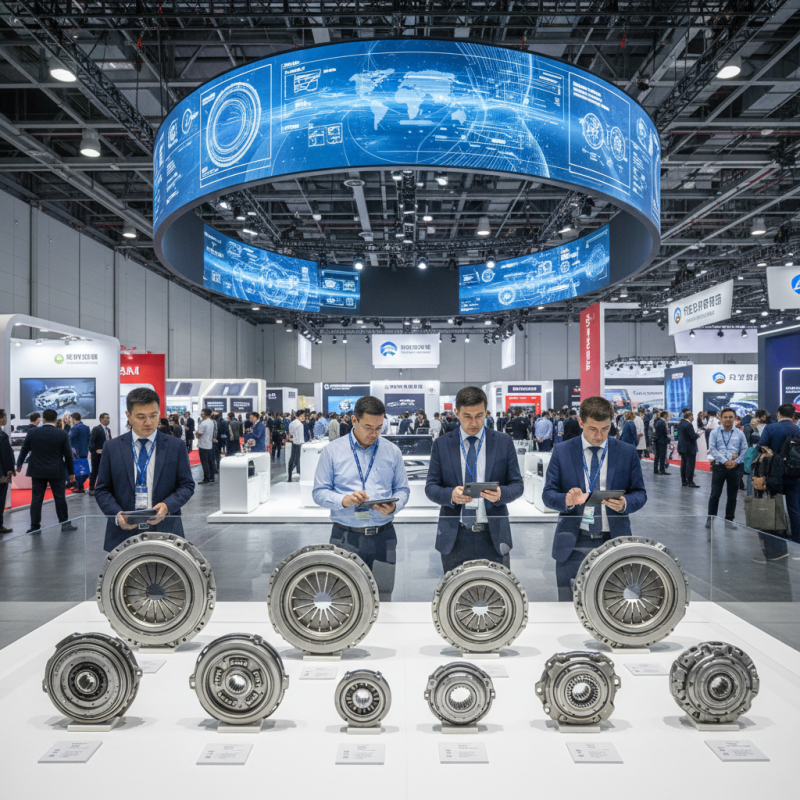
Top Trends in Clutch Release Bearings at Canton Fair 2026
As the Canton Fair 2026 approaches, innovations in clutch release bearings are taking center stage. Recent industry reports indicate that the global market for these components is expanding at a CAGR of 5.1%. This growth is driven by increasing demands in automotive applications, particularly in Asia Pacific.
One of the top trends expected at the fair is the rise of lightweight materials. Manufacturers are focusing on reducing weight without sacrificing strength. This can lead to improved fuel efficiency. However, some companies struggle to find the right balance between durability and weight reduction. The adaptation of advanced composites may address these challenges but also raises questions about cost-effectiveness.
Moreover, the shift towards electric vehicles (EVs) is changing expectations in the clutch release bearing sector. EVs often require different design characteristics. Reports suggest that market players need to rethink their strategies to cater to this emerging segment. Traditional designs might not suffice in this landscape. It's clear that companies face a need for innovation and can learn from others in the industry. The Canton Fair 2026 will certainly be a pivotal moment for stakeholders in clutch release bearings.
Top Trends in Clutch Release Bearings at Canton Fair 2026
Key Performance Metrics for High-Quality Clutch Release Bearings
When considering high-quality clutch release bearings, several key performance metrics come into play. Durability stands out prominently. Bearings must withstand harsh conditions without significant wear. This can be tested through rigorous cycling and high-load assessments. Many components fail prematurely, highlighting the need for thorough evaluation.
Another important metric is responsiveness. A good clutch release bearing should engage and disengage smoothly. Delays in operation can lead to substantial issues during driving. Engineers often overlook this factor, focusing solely on material strength. But in reality, balance is crucial for effectiveness.
Finally, noise reduction is vital. Excessive noise can indicate underlying problems. Ideally, bearings should operate quietly at various speeds. Identifying noise levels during testing helps pinpoint design flaws. Not every manufacturer conducts these tests rigorously. Thus, assessing these metrics ensures that only the best clutch release bearings are selected. Monitoring these parameters can lead to overall performance improvement.
Innovations in Material Technology for Enhanced Durability
For those exploring the latest in clutch release bearings at the Canton Fair 2026, material innovation stands at the forefront. The shift towards advanced materials aims to improve durability and performance. Manufacturers are experimenting with various alloys and composites, seeking the perfect balance of weight and strength. This evolution may seem minor but plays a significant role in overall efficiency.
However, not all innovations succeed. Some new materials prove too brittle or expensive. Others may lack the necessary flexibility in extreme conditions. Companies must navigate these challenges carefully. Engaging in trial and error often leads to unexpected discoveries. Each iteration offers insights, pushing the technology further.
The focus should also expand beyond just durability. Noise reduction and heat resistance are becoming critical. Engineers indicate that incorporating sound-dampening materials can lead to quieter operations. As we witness these changes, the road ahead appears complex yet exciting. Exploring these innovations will shape the future of clutch release bearings.
Market Demand Analysis: North America vs. Asia-Pacific Clutch Bearings
The global clutch bearing market is experiencing a significant shift. According to a recent report, North America is projected to reach a valuation of USD 1.2 billion by 2027. This growth is fueled by increasing vehicle production and stricter emission regulations. It reflects the region's strong automotive sector and rising demand for efficient vehicle components.
In contrast, the Asia-Pacific region is witnessing even faster growth. The same report indicates that the market here could grow at a CAGR of 5.8% through 2026. This is largely driven by the surging demand for passenger vehicles. Emerging markets in Asia are investing in manufacturing capabilities, yet some challenges remain. These include supply chain disruptions and fluctuating raw material prices.
Both markets have unique needs. North America emphasizes durability and performance. Asian markets often prioritize cost-effectiveness and rapid production. As these regions evolve, understanding these differing demands is crucial. Stakeholders must adapt to meet both performance and budget expectations. This dual focus can drive further innovation in clutch bearing designs.
Case Studies: Successful Applications of Clutch Release Bearings in Industry
Clutch release bearings play a crucial role in various industries. They provide a smooth disengagement of the clutch, which is vital for the performance of vehicles and machinery. One notable case study involved the automotive sector, where a manufacturer faced persistent transmission issues. The problem stemmed from inadequate bearing quality, leading to frequent failures. After switching to a more durable design, the manufacturer reduced downtime significantly.
In agriculture, clutch release bearings have ensured the efficiency of heavy machinery. One farm upgraded its equipment, yet the machines still struggled under heavy loads. The original bearings weren't suited for intense agricultural conditions. By selecting bearings designed for high-stress environments, the farm experienced fewer breakdowns. This change resulted in increased productivity and less maintenance.
These examples highlight the importance of choosing the right clutch release bearings. Even small mistakes in selection can lead to costly problems. Each industry has unique requirements. It is crucial to conduct thorough analyses to avoid past mistakes. Each application needs careful consideration to ensure reliability and longevity in performance.
