What is an Electric SUV Car and Why You Should Buy One?
In recent years, the Electric Suv Car market has surged, capturing the attention of environmentally conscious consumers. An electric SUV offers spaciousness and versatility while promoting sustainable driving. Many drivers are drawn to these vehicles due to the long-range capabilities and lower running costs compared to traditional gas-powered SUVs.
Choosing an electric SUV car can be an excellent investment. However, potential buyers should consider factors like charging infrastructure and battery lifespan. Some models may not provide the same performance in different climates or terrains, which is another factor to evaluate. Understanding these elements can help ensure a smart purchase.
Electric SUV cars not only contribute to a greener planet but also serve as a modern solution to everyday transportation needs. The combination of practicality, efficiency, and innovation makes them worth considering. Just be mindful of your specific driving habits and local charging options to make a well-informed decision.
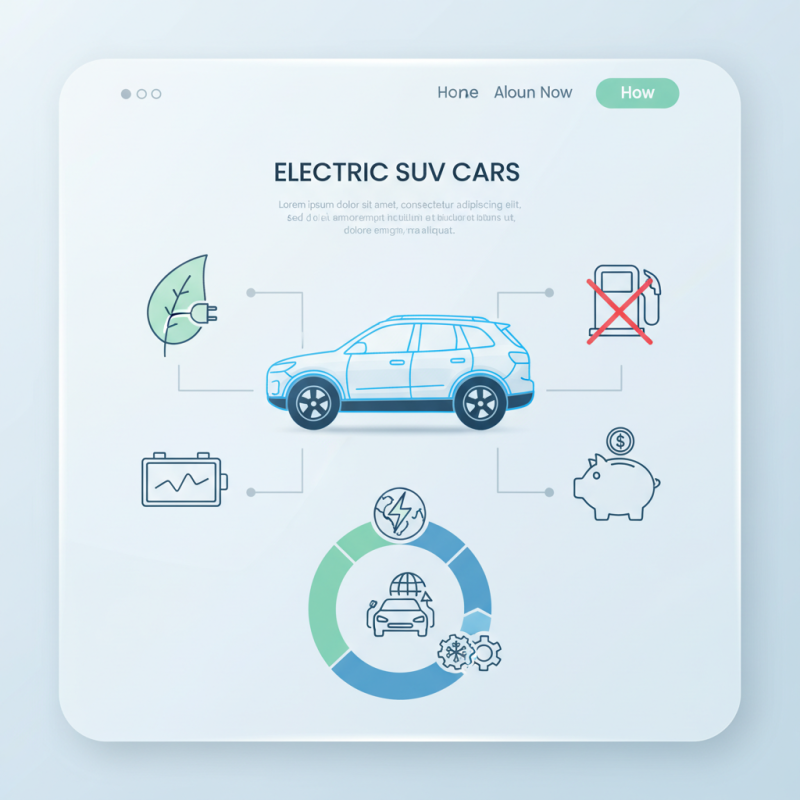
What Defines an Electric SUV Car: Key Features and Specifications
Electric SUVs are becoming popular for various reasons. They combine the benefits of electric vehicles with the versatility of sport utility vehicles. One key feature of electric SUVs is their battery capacity. This determines how far you can drive on a single charge. Many models now offer impressive ranges, often exceeding 200 miles.
Another important specification is the charging speed. Home charging units can provide convenience, but public charging stations are also essential for long trips. Rapid chargers can power up your vehicle in less than an hour. Additionally, electric SUVs typically offer spacious interiors and advanced technology. Features like infotainment systems and driver-assistance tools enhance the driving experience.
However, potential buyers should consider some drawbacks. Charging infrastructure still needs improvement in many areas. Electric SUVs may also cost more upfront compared to traditional gasoline vehicles. While maintenance costs are generally lower, repairs may be complex. Balancing these aspects will help you make an informed decision.
The Benefits of Owning an Electric SUV: Cost, Environment, and Convenience
The rise of electric SUVs offers compelling benefits for drivers seeking a new vehicle. One significant advantage is cost savings. Electric vehicles (EVs) often have lower operating costs compared to traditional cars. Charging at home can be cheaper than visiting gas stations. Additionally, various incentives and rebates can help reduce the initial purchase price. Many find that these savings make owning an electric SUV more appealing.
Environmental benefits also stand out. Electric SUVs produce zero tailpipe emissions, which helps reduce air pollution. This is crucial for combating climate change and protecting public health. Furthermore, using renewable energy sources to charge these vehicles can significantly lower overall carbon footprints. However, it's important to consider the battery production process and the sourcing of materials, as these raise sustainability questions.
Convenience is another key factor. Electric SUVs often come with advanced technology features. Many offer smart connectivity and driver-assistance systems that enhance the driving experience. While infrastructure for charging is improving, it can still be a challenge in some areas. This is something potential buyers need to reflect on. Balancing convenience, cost, and environmental impact is crucial when considering an electric SUV for your next vehicle.
Comparing Electric SUVs to Traditional Gasoline Vehicles: A Comprehensive Overview
Electric SUVs are becoming a popular choice for many drivers. They offer numerous advantages over traditional gasoline vehicles. One significant benefit is efficiency. Electric SUVs utilize advanced battery technology to optimize energy usage. This leads to lower operating costs compared to gasoline vehicles. The charging process is also improving, with many homes now equipped with charging stations.
In terms of environmental impact, electric SUVs produce zero tailpipe emissions. This means they contribute less to air pollution. Traditional vehicles, on the other hand, release harmful gases that affect public health. Choosing an electric SUV can be a more responsible choice for the planet. However, not all electric models have the same range. Buyers need to consider their travel needs carefully.
The driving experience differs significantly. Electric SUVs generally offer smooth acceleration and quiet operation. Many drivers find this enjoyable. Yet, some may miss the traditional engine sound. Charging infrastructure is still evolving. Availability can be a challenge in certain areas. This can lead to frustration during longer trips. Adopting an electric SUV requires careful thought about lifestyle and driving habits.
Considerations Before Buying an Electric SUV: Range, Charging, and Maintenance
When considering an electric SUV, range is one of the first factors to evaluate. Most electric SUVs can offer over 200 miles on a full charge. However, real-world conditions often affect this range. Factors like temperature, driving habits, and terrain can limit how far you go. It’s wise to think about your usual travel patterns. If daily commutes are short, most electric SUVs will serve you well. But for longer trips, planning charging stops becomes crucial.
Charging infrastructure is another key consideration. Many cities have robust charging networks, making it easier for electric SUV owners. Still, rural areas may lack fast chargers. Checking local charging stations can save you frustration. Home charging setups are also important. Installing a home charger can provide convenience but may involve upfront costs.
Maintenance might seem less demanding with electric vehicles, but it's not entirely hassle-free. While fewer moving parts mean potentially lower repair costs, battery maintenance is vital. Battery degradation can impact performance over time. It’s good to stay informed about battery care and warranties. These factors warrant careful thought before your purchase. Choosing an electric SUV involves weighing all these practical aspects thoughtfully.
What is an Electric SUV Car and Why You Should Buy One? - Considerations Before Buying an Electric SUV: Range, Charging, and Maintenance
| Dimension | Details |
| Range | 250-300 miles per charge |
| Charging Time | Fast charging in 30-60 minutes; home charging overnight |
| Maintenance | Lower maintenance costs; fewer moving parts |
| Eco-Friendliness | Zero tailpipe emissions, renewable energy compatible |
| Incentives | Tax credits, rebates, and lower registration fees |
| Performance | Instant torque, smooth acceleration, and quiet driving |
| Space | Spacious interior, ample cargo space |
The Future of Electric SUVs: Trends and Innovations in the Automotive Industry
The automotive industry is evolving rapidly, especially with the rise of electric SUVs. These vehicles combine the spaciousness of traditional SUVs with electric technology's benefits. Consumers are seeking more sustainable options, and electric SUVs fit this demand perfectly. They offer a clean driving experience and reduced carbon footprints.
Trends indicate that electric SUVs will continue to grow in popularity. Innovations like improved battery technology enhance range and efficiency, addressing common concerns. Many manufacturers are investing in developing autonomous features, adding to the appeal. However, challenges remain. Charging infrastructure needs to expand to meet consumer demand. Longer charging times are still an issue, especially for road trips.
As technology advances, we will likely see even more features. Some models aim for faster charging and greater performance. The challenge for manufacturers is to ensure affordability while maintaining quality and innovation. The future of electric SUVs looks promising, yet it requires continuous effort to address existing limitations.
Electric SUV Sales Growth (2018-2023)
As electric SUVs continue to gain popularity, their sales have shown a significant increase from 2018 to 2023. This chart illustrates the growth in electric SUV sales, reflecting a growing trend towards more sustainable transportation options in the automotive industry.
