10 Essential Tips for Maximizing Your EV Pickup Experience
In the rapidly evolving world of electric vehicles, the rise of the EV pickup is transforming the way we think about utility and capability. With a growing emphasis on sustainability, EV pickups are not only addressing the needs of traditional truck users but also attracting environmentally conscious consumers. As noted by industry expert Dr. Emily Tran, a leading voice in electric vehicle research, "The future of transportation is not just electric; it's about redefining what utility means in the 21st century."
To fully leverage the potential of your EV pickup, understanding its unique features and optimizing your experience is crucial. From charging strategies to navigation tools, the right tips can help you maximize both performance and convenience. In this guide, we will explore ten essential tips that are designed to improve your EV pickup journey, ensuring that you are well-equipped to enjoy all the benefits this innovative vehicle category has to offer. Whether you're a long-time truck enthusiast or a newcomer to the electric vehicle scene, these insights will enhance your ownership experience and highlight the versatility of EV pickups.
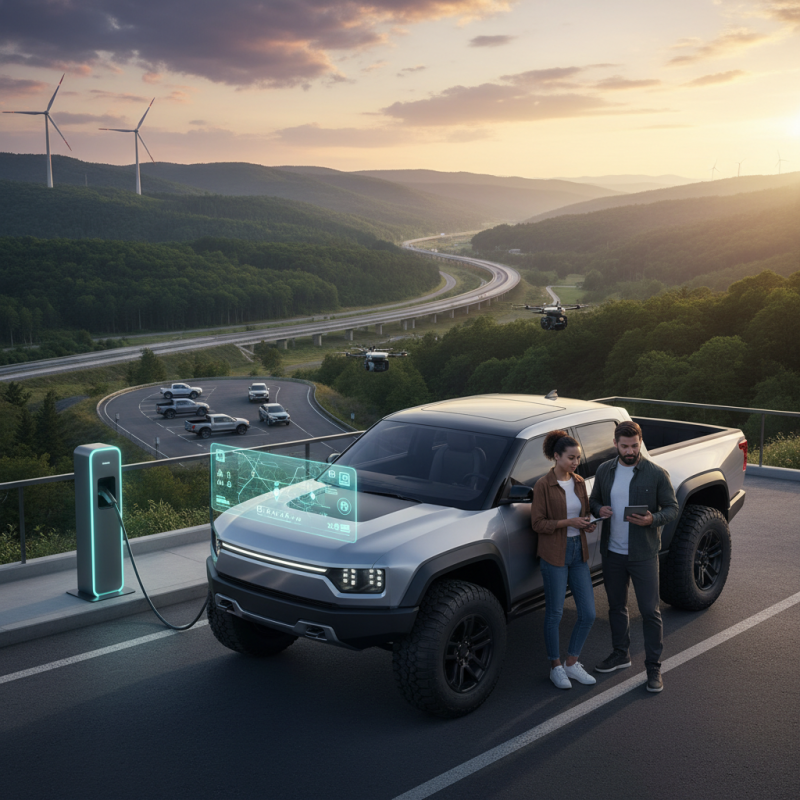
Understanding the Different Types of Electric Pickup Trucks Available Today
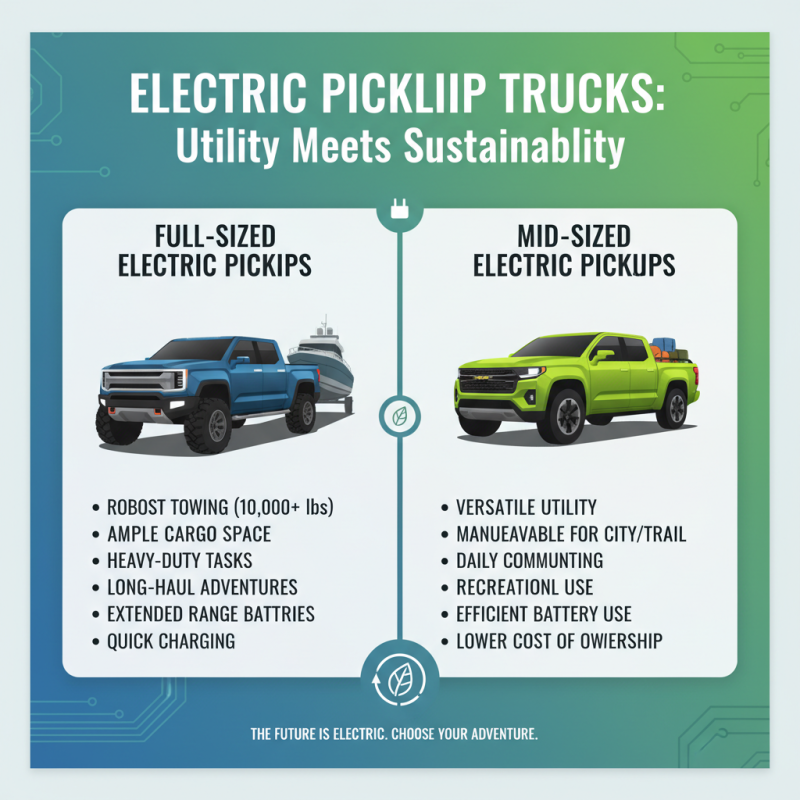
Electric pickup trucks are revolutionizing the automotive landscape, combining utility with sustainability. The electrification of pickups presents a variety of options tailored to different needs and preferences. There are primarily two types of electric pickup trucks: full-sized and mid-sized. Full-sized electric pickups offer robust towing capacities and ample cargo space, making them ideal for heavy-duty tasks and long-haul adventures. These trucks typically feature advanced battery technology to support extended range and quick charging, which are crucial for both work and recreation.
On the other hand, mid-sized electric pickups provide a more compact and agile option for those seeking efficiency without sacrificing performance. They tend to be lighter, allowing for better energy consumption while still offering decent towing capabilities. These vehicles are well-suited for urban settings where maneuverability is essential. Additionally, many mid-sized models come with innovative tech integrations that enhance driving experiences and connectivity, appealing to a younger demographic or those who prioritize modern features in their vehicles. Understanding these distinctions can help potential buyers select the electric pickup that best suits their lifestyle and needs.
Key Factors Influencing EV Pickup Range: Battery, Weight, and Design
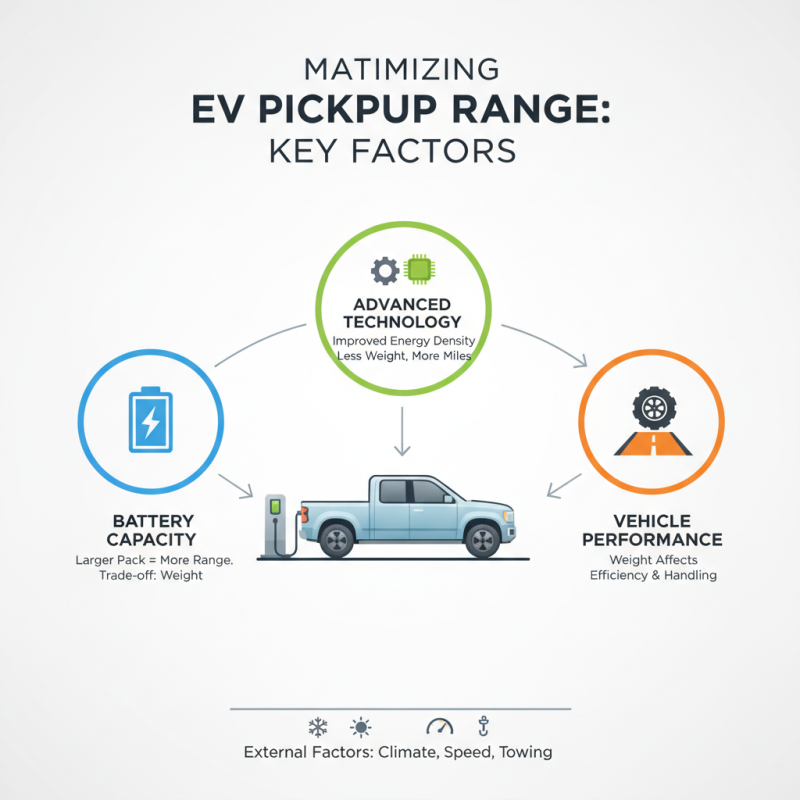
When it comes to maximizing your experience with an electric vehicle (EV) pickup, understanding the key factors that influence its range is crucial. The battery is perhaps the most significant component, as its capacity directly correlates with how far the vehicle can travel on a single charge. Larger battery packs offer increased range, but they also add weight and can affect overall vehicle performance. To strike a balance between range and efficiency, manufacturers often explore advanced battery technologies that enhance energy density, allowing for longer drives without excessively increasing the weight.
Weight plays a pivotal role in determining how efficiently an EV pickup can perform. The more a vehicle weighs, the more energy it requires to accelerate and maintain speed. This resistance can lead to diminished range, especially when carrying heavy loads or navigating hilly terrains. Automakers are increasingly focusing on lightweight materials, such as aluminum and carbon fiber, to reduce overall weight without compromising durability or safety. Additionally, the design of the vehicle, including aerodynamics and frame structure, influences how air flows over and around the vehicle, which can either enhance or hinder range efficiency. Thoughtful design choices can lead to reduced drag and improved fuel economy, making every trip more effective for EV pickup users.
Charging Infrastructure for EV Pickups: Access and Capabilities
The electric vehicle (EV) pickup market has seen significant growth in recent years, driven by increasing consumer interest in sustainability and technology. However, the usability of these vehicles critically depends on the availability and accessibility of charging infrastructure. According to a report by the International Energy Agency (IEA), as of 2022, there were approximately 1.8 million publicly available charging points globally, a significant increase from previous years. This expanding network is essential for enhancing the EV pickup experience, providing users with confidence that they can recharge on long journeys.
Moreover, the capabilities of charging stations are evolving alongside demand. Fast-charging technology has become a game changer, allowing EV pickups to recharge up to 80% in just 30 minutes at compatible stations. A report from the U.S. Department of Energy indicates that by 2025, over 60% of all public charging stations are expected to offer fast charging options. With this advancement, EV pickup owners can enjoy greater flexibility and efficiency, minimizing downtime and inconvenience while on the road.
It’s crucial for potential buyers to assess the availability of charging infrastructure in their areas, as this can greatly influence their overall experience with EV pickups.
Maximizing Performance: Understanding Towing Capacity and Payload Limits
When optimizing the performance of your electric vehicle (EV) pickup, understanding towing capacity and payload limits is crucial. According to the U.S. Department of Energy, electric pickups typically feature a higher torque output compared to their gasoline counterparts, enabling substantial towing capabilities. For instance, many modern electric pickups can achieve towing capacities exceeding 10,000 pounds, which is on par with traditional trucks in this segment. This makes them ideal for a variety of tasks, from hauling trailers to venturing into off-road terrains.
Regarding payload limits, industry studies indicate that the average payload capacity of electric pickups ranges from 1,500 to over 2,000 pounds. This means that in addition to towing weight, drivers should also factor in the weight of the cargo being transported. Overloading an EV pickup can not only diminish its performance but also affect battery life and efficiency. Additionally, the battery’s placement in electric pickups often results in a lower center of gravity, enhancing stability when carrying heavy loads. Understanding these limitations and capabilities ensures drivers maximize their EV pickup experience while maintaining safety and efficiency.
Maximizing Performance: Towing Capacity vs Payload Limits
Maintenance Best Practices for Electric Pickup Trucks: A Cost-Saving Approach
When it comes to electric pickup trucks, regular maintenance practices can significantly enhance performance and extend the vehicle's life, ultimately leading to substantial cost savings. According to industry research, proper upkeep can reduce the likelihood of major repairs by as much as 30%. Key maintenance practices for electric pickups include regular battery checks, software updates, and tire rotations. The vehicle's battery health is paramount, as well-maintained batteries can maintain up to 70% of their capacity after 10 years, compared to poorly maintained ones that may drop to 30% in the same timeframe.
Moreover, electric pickups tend to have fewer moving parts than traditional internal combustion engine vehicles, which can translate to lower maintenance costs. According to a study by the Electric Vehicle Association, the average cost of maintaining an electric vehicle is nearly 40% lower than that of conventional vehicles over a typical ownership period. This is primarily due to the reduced need for oil changes, fuel system repairs, and exhaust system maintenance. Adopting a proactive approach, such as scheduling routine inspections and keeping abreast of manufacturer recalls and updates, can further ensure that your electric pickup remains in optimal condition while maximizing your investment over the long haul.
10 Essential Tips for Maximizing Your EV Pickup Experience
| Tip Number |
Maintenance Practice |
Cost-Saving Impact |
Frequency |
| 1 |
Regular Software Updates |
Enhances efficiency, saving energy costs |
Monthly |
| 2 |
Battery Health Monitoring |
Prevents costly repairs, extends battery life |
Quarterly |
| 3 |
Tire Pressure Checks |
Improves efficiency, saves on tire wear |
Bi-weekly |
| 4 |
Regenerative Braking Maintenance |
Reduces brake wear, lowers replacement costs |
Annually |
| 5 |
Fluid Level Checks |
Maintains vehicle performance, prevents issues |
Monthly |
| 6 |
Cooling System Maintenance |
Prevents overheating, avoids costly repairs |
Annually |
| 7 |
Exterior and Interior Cleaning |
Protects paint, maintains resale value |
Monthly |
| 8 |
Check Charging Equipment |
Ensures efficient charging, saves time |
Monthly |
| 9 |
Monitor Range and Energy Usage |
Optimizes driving, reduces electricity costs |
Daily |
| 10 |
Professional Inspections |
Identifies potential issues early, avoids major costs |
Bi-annual |