What is an EVSE Adapter and How Does It Work?
Electric vehicles (EVs) are revolutionizing transportation. As reported by the International Energy Agency, global EV sales surged by 40% in 2021, reflecting growing consumer interest. However, this shift requires comprehensive charging solutions, including the EVSE adapter.
An EVSE adapter is essential for connecting electric vehicles to charging stations. It bridges the gap between different charging standards, enabling drivers to access various charging infrastructures. Market data shows that around 60% of EV users face compatibility issues with charging equipment. An effective EVSE adapter can solve this problem.
Despite its advantages, the EVSE adapter isn't without challenges. Users must navigate varying standards and potential performance inconsistencies. Some adapters may affect charging speeds, which can lead to frustrations. Understanding these nuances is critical for maximizing the benefits of EV charging. In a rapidly evolving market, awareness and adaptability remain key.
What is an EVSE Adapter?
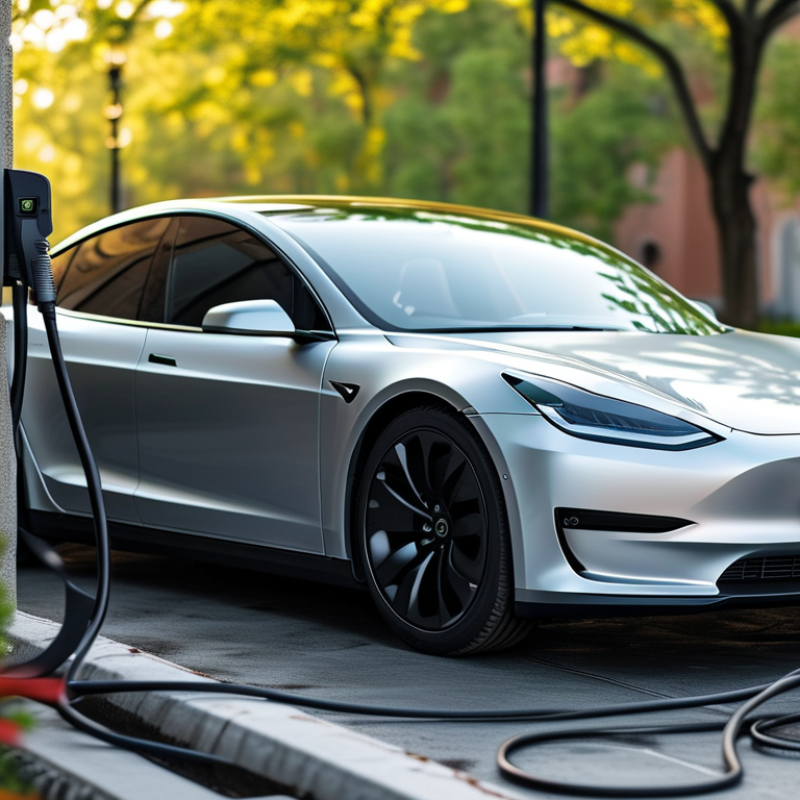
An EVSE (Electric Vehicle Supply Equipment) adapter is a crucial component for electric vehicle (EV) owners. It allows different types of EVs to connect to varying charging stations. The adapter bridges the compatibility gap between the vehicle and the charging unit. This technology makes it easier for users to find charging solutions that work for their specific needs.
Understanding the working mechanism of an EVSE adapter is essential. It takes the electrical signal from the charging source and converts it to the right voltage and current required by the vehicle. Each adapter is designed to match specific plug types, ensuring safe charging. This ensures that an EV can utilize multiple stations, even if they have different connectors. However, not all adapters are universal. Users must be cautious and verify compatibility before use.
While the technology behind EVSE adapters is practical, challenges exist. Some adapters may not support high charging speeds. This limitation can lead to longer charging times. Additionally, the quality of materials can vary. A poor-quality adapter may overheat or fail, posing safety risks. Therefore, it is vital to choose reliable options and stay informed. Not all adapters are created equal, and making a wise choice can affect the EV charging experience.
Types of EVSE Adapters Available on the Market
Electric Vehicle Supply Equipment (EVSE) adapters play a crucial role in the growing electric vehicle ecosystem. There are several types of EVSE adapters currently available. One of the most common is the Level 1 adapter. This adapter typically plugs into a standard household outlet. It can deliver up to 2 kW of power, providing a convenient charging option for home use. However, it requires a longer charge time, often taking upwards of 8-12 hours for a full charge.
Another frequently used type is the Level 2 adapter. Unlike Level 1, Level 2 chargers connect to a 240-volt outlet. These chargers can provide up to 7.2 kW. Reports indicate that with Level 2 charging, consumers can expect to charge their vehicle in approximately 4-6 hours. This reduction in charging time makes Level 2 adapters more appealing for daily users.
Fast Charging adapters are also available. These can deliver DC fast charging capabilities, significantly reducing the time it takes to charge an EV. They provide power levels exceeding 50 kW, allowing for an 80% charge in 30 minutes or less. As of 2023, the market saw a 36% increase in demand for various EVSE adapters, highlighting their importance as EV adoption accelerates. Each adapter type has its pros and cons, influencing choices based on individual needs and usage scenarios.
How EVSE Adapters Facilitate Electric Vehicle Charging
EVSE adapters play a crucial role in the seamless charging of electric vehicles (EVs). These devices connect an EV to an electric vehicle supply equipment (EVSE) outlet, enabling efficient energy transfer. An EVSE adapter allows different plug types to be compatible. For instance, it can convert a standard outlet into a charging point for various EV models. This flexibility is essential for users who need to charge their vehicles at different locations.
The ease of use provided by EVSE adapters cannot be overstated. A driver may encounter charging stations with varied connector designs. An EVSE adapter bridges this gap, ensuring that drivers are not hindered by charging station limitations. However, challenges can arise. Some adapters may not support fast charging capabilities, leading to longer wait times. Users must ensure that their adapter is compatible with their vehicle’s specific requirements.
Reliability is key when it comes to charging. EVSE adapters should be built to withstand regular use. Quality adapters feature safety mechanisms to prevent overheating. In contrast, cheaper options can pose risks, such as short circuits. Conducting thorough research helps in making a safe choice in EVSE adapters. Users should remain informed and consider their charging needs carefully.
Charging Trends for Electric Vehicles Using EVSE Adapters
Benefits of Using an EVSE Adapter for Electric Vehicle Owners
An EVSE adapter, or Electric Vehicle Supply Equipment adapter, is a practical tool for electric vehicle owners. It enables them to connect their vehicles to various charging devices, ensuring compatibility across different charging stations. One key benefit of using an EVSE adapter is convenience. Drivers can charge their vehicles regardless of the charging station's plug style. This flexibility can save time and reduce the frustration of locating the right charger.
Cost efficiency is another significant advantage. Many public charging stations may not match a vehicle's native connector. An adapter allows drivers to utilize these resources without investing in multiple charging cables. This can lead to substantial savings, especially for those who rely heavily on public charging facilities.
Moreover, the ability to charge at different locations expands travel options, making long-distance journeys more feasible. However, some may worry about the adapter's reliability. Not all adapters are created equal, and using a poorly made one can lead to safety concerns. It's important to research and choose a certified product.
Despite these concerns, the advantages of having an EVSE adapter often outweigh the downsides. Owners should regularly check their equipment for wear and tear to maintain safe charging practices.
Considerations When Choosing an EVSE Adapter
When choosing an EVSE adapter, several factors come into play. First, compatibility with your electric vehicle is crucial. Different EV models have unique charging requirements. Research the specifications before making a decision. Not all adapters fit every vehicle. Many users find this aspect confusing.
Next, consider the charging speed. Some adapters allow for faster charging than others. Look for options that can handle higher amperage. This choice can significantly reduce charging time. However, faster isn't always better. High-speed adapters may generate more heat. Ensure your vehicle and the electrical system can handle it.
Durability is another key aspect. Look for robust materials that can withstand daily use. Many adapters can wear out quickly if not designed well. Overheating can occur with low-quality adapters. This can lead to safety hazards. Investing in a reliable adapter is essential, even if it costs a bit more. The right choice can provide peace of mind and enhance your charging experience.
What is an EVSE Adapter and How Does It Work? - Considerations When Choosing an EVSE Adapter
| Feature | Description |
| Compatibility | EVSE adapters must match the connectors of your electric vehicle and the charging station. |
| Charging Speed | Different adapters support various maximum charging speeds; ensure it meets your needs. |
| Safety Features | Look for features like automatic shutoff and overcurrent protection for safe charging. |
| Build Quality | Choose adapters made from durable materials to ensure longevity and reliability. |
| Portability | Some adapters are designed for easy transport; consider your charging locations. |
| Warranty and Support | Check for warranty duration and availability of customer support for assistance. |
| Price | Adapters come in a range of prices; evaluate your budget against required features. |
