
Sorry. We did not find anything.

7 Tips for Buying Graphite Raw Material

Buying Graphite Raw Material is not a simple price comparison. Grade, particle size, purity, moisture, and intended use all affect performance. A fine black powder may look consistent in a sample jar, yet behave differently during processing. Small specification gaps can become costly production problems.

The USGS Mineral Commodity Summaries 2025 estimates that global natural graphite mine production reached about 1.6 million metric tons in 2024, with China accounting for roughly 1.27 million. The International Energy Agency’s Global Critical Minerals Outlook 2024 also highlights concentration risks across graphite supply chains. Its analysis suggests announced projects may cover only about 65% of projected graphite requirements in 2035 under the Net Zero Emissions scenario. These figures matter, but they do not replace supplier checks. A global estimate cannot confirm the quality of one shipment.

Benchmark Mineral Intelligence founder and CEO Simon Moores has described graphite as “the most important material in the lithium-ion battery.” That observation is especially relevant to battery buyers, but graphite also serves refractories, lubricants, and foundry applications. The right purchasing questions depend on the end use. Ask for a recent certificate of analysis, traceable batch details, and a representative sample. Then verify that the test method matches your specification. It sounds obvious. It is often missed. Even careful buyers can overvalue a polished datasheet and overlook variability between lots. The following seven tips offer a practical framework for evaluating Graphite Raw Material, comparing suppliers, and reducing avoidable surprises before an order is placed.
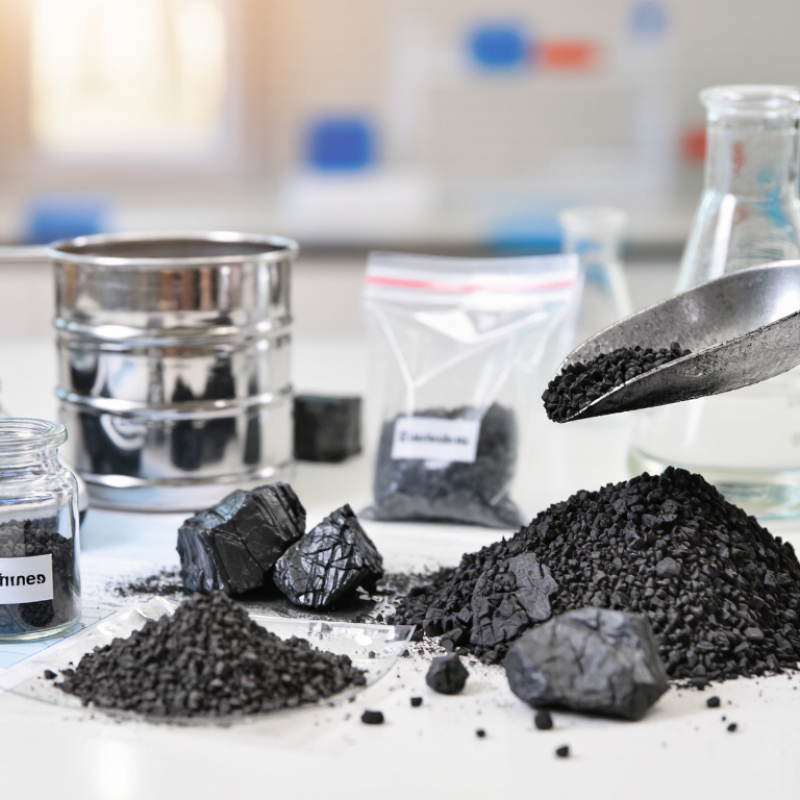
7 Tips for Buying Graphite Raw Material

Define the Graphite Grade and Form Required for Your Application

Before comparing prices, define what the graphite must do in your process. A grade suited to electrical conductivity may not meet a component’s strength or thermal requirements. Write down the operating temperature, expected load, and any contact with moisture or chemicals. Small details matter.

Then choose the material form. Powder, flakes, blocks, and machined parts behave differently during handling and production. For powder, specify particle-size range and tolerance; an inconsistent batch can affect mixing or coating. For blocks, check dimensions, density, and machining allowance. Ask for a current specification sheet and test data, including ash content and moisture where relevant. Verify that the figures match your intended grade, not just a generic product description. Get a sample.

A common mistake is specifying “high-purity graphite” without defining a measurable limit. Purity alone does not confirm suitable particle size, strength, or conductivity. Share a practical use case with the supplier, then compare the proposed grade against your process conditions. If possible, test a small batch on your actual equipment. Results may expose a flaw in the original specification, and that is useful. Revise the requirements before placing a larger order.

Compare Purity, Particle Size, and Other Key Material Specifications

When comparing graphite raw materials, start with purity, but check how it is measured. A high fixed-carbon value may look attractive, yet ash, moisture, sulfur, and volatile matter can affect processing and performance. Confirm whether figures apply to the supplied lot or represent typical results. Small differences matter. Ask for the test method and a recent certificate of analysis, not just a headline percentage.

Particle size needs equal attention. A stated mesh range does not always describe the full distribution, so request D10, D50, and D90 values where available. D50 indicates the median particle size; the other values help reveal how many fines or coarse particles may be present. This matters for mixing, packing, flow, and surface finish. Shape matters, too: flaky and more rounded particles can behave differently, even at similar sizes. Check moisture and bulk density if your process depends on steady feeding. Then test a representative sample using your own equipment. A supplier’s data sheet cannot show every handling issue, and sample results may not perfectly match a later shipment. Compare lot-to-lot consistency before placing a large order, and record the specifications that your process actually needs.

Assess Supplier Experience, Documentation, and Quality Controls

7 Tips for Buying Graphite Raw Material
Assess Supplier Experience, Documentation, and Quality Controls

Supplier experience is more than years in business. Ask how the team handles batch variation, customer complaints, and changes in processing. USGS estimated global mine output at 1.6 million tonnes in 2024 (Mineral Commodity Summaries 2025). The IEA’s Global Critical Minerals Outlook 2024 also describes graphite processing as highly concentrated. That makes traceability and backup supply worth checking. Request recent, relevant customer references and a clear chain of custody. Ask for lot-specific certificates of analysis, not just a generic product sheet. Paperwork can look perfect. Check the lot.

For each shipment, review fixed carbon, ash, moisture, sulfur, and particle-size distribution against your specification. Confirm the test methods, sampling date, and laboratory details. Compare the certificate with a retained sample or independent test, especially before a large order. Ask how nonconforming material is isolated and how corrective actions are recorded. Keep those answers in writing. It is tempting to trust a neat specification, but it may not show what happens after a process change. Ask the supplier to disclose changes in feedstock or production controls, then check whether updated testing supports the claim. A strong supplier can explain the numbers and their limits.

Evaluate Pricing, Sampling, and Consistency Before Ordering

A graphite quote is meaningful only when the material specifications match. Compare grade, particle size, ash content, moisture limits, and packaging—not just the price per tonne. A cheaper quote may exclude freight or use a broader particle-size range. Ask what the quoted price includes, how long it remains valid, and whether minimum order quantities apply. Small details change the real cost.

Request a representative sample before placing a large order. Check its appearance, particle distribution, and handling behavior against your process requirements. Samples matter. One neat sample cannot prove that every shipment will match; test more than one batch when practical. Ask for a recent test report and confirm which measurements the supplier can repeat. Keep records of sample results and agreed specifications.

Consistency deserves attention over time. Ask how production lots are identified and how deviations are handled. Compare test results across shipments, rather than relying on a single certificate. In practice, buyers can focus too much on the first sample and too little on later batches. That is an easy mistake to make. Before ordering, agree on acceptable tolerances, inspection steps, and a clear process for resolving mismatches. Keep the agreement in writing.

7 Tips for Buying Graphite Raw Material

Evaluate pricing, sampling, and consistency before ordering.

Suggested buyer-attention scores are a qualitative planning guide, not market statistics. Compare like-for-like quotations, request representative samples and test reports, and verify that batch-to-batch results meet the requirements for your application.

Plan Delivery, Handling, and Storage to Protect Material Quality

7 Tips for Buying Graphite Raw Material

Delivery planning starts with the material’s form, packaging, and receiving requirements. Ask the supplier how the graphite should be protected during transit, especially if rain, condensation, or long transfers are possible. For bagged material, check that pallets are stable and bags are sealed against moisture and debris. Keep it covered.

At arrival, inspect the packaging before unloading and note torn bags, wet patches, or damaged seals. Compare batch labels and quantities with the purchase documents. If packaging is compromised, separate the affected material and ask the supplier how to assess it before use. A small schedule buffer helps; delivery plans rarely survive a late truck unchanged.

Handling affects quality, too. Use clean, dry equipment, and avoid dragging bags across dusty floors or rough surfaces. Follow the material’s safety data and handling guidance; fine graphite can become airborne when disturbed. Avoid unnecessary transfers. This is easy to overlook.

Store graphite indoors in closed packaging, on pallets above the floor and away from leaks, chemicals, and heavy traffic. Keep storage conditions consistent with the supplier’s specifications. Label opened containers with the batch and opening date, then use older stock first. Some teams record humidity but forget to check the roof after storms; that gap can matter more than a tidy spreadsheet.

7 Tips for Buying Graphite Raw Material - Plan Delivery, Handling, and Storage to Protect Material Quality
Tip What to Confirm Before Buying Delivery and Handling Plan Storage and Quality Protection Useful Records
1. Define the required grade and specification Specify the material type, intended application, particle-size range, carbon content, ash, moisture, and other relevant limits. Agree on test methods and acceptance criteria with the supplier. Make sure the purchase order, shipping documents, and product labels use the same grade and specification. Keep different grades and particle-size ranges clearly separated to prevent mix-ups. Purchase specification, approved sample details, and agreed test methods.
2. Review the certificate of analysis Request a lot-specific certificate of analysis (COA). Check that reported results correspond to the purchased grade and include the properties important to the application. Require lot identification on bags, containers, or bulk-shipment documents so the delivered material can be matched to its COA. Retain the COA with the corresponding lot records; do not combine unidentified material with released stock. COA, lot or batch number, inspection results, and any incoming-test records.
3. Confirm packaging is suitable for the route Agree on packaging type, liner or moisture barrier where needed, bag or container condition, labeling, and protection against contamination during transit. Check packaging is intact and appropriately closed at dispatch and receipt. Protect exposed packages from rain and wet surfaces during unloading. Keep packages closed until use. Repair or isolate damaged packages and assess affected material before release. Packaging requirements, dispatch photographs when appropriate, and damage or discrepancy reports.
4. Plan transport and unloading conditions Confirm transport mode, delivery schedule, unloading equipment, and any handling limits required for the packaging or shipment size. Use clean, dry transport areas. Inspect the vehicle or container for water, residue, or visible contamination before loading or unloading. Move received material promptly to a protected storage area rather than leaving it exposed outdoors. Shipping documents, vehicle or container inspection notes, and receipt date and time.
5. Prevent moisture exposure Agree on the moisture limit and test method relevant to the graphite grade and application; moisture requirements can vary by product and use. Avoid unloading in rain or snow where practicable. If packages become wet or show condensation, segregate them for inspection. Store in a dry, covered area and keep material off floors, using suitable pallets or racks. Keep openings and liners closed. Incoming moisture results where required, storage-area checks, and records of wet or damaged packaging.
6. Avoid contamination and physical damage Discuss risks from dust, foreign particles, oils, and residues from previous cargo or handling equipment. Use clean handling equipment and avoid dragging, dropping, or puncturing bags. For bulk shipments, verify that the cargo space and transfer equipment are clean. Separate graphite from chemicals, oily materials, and other powders that could contaminate it. Keep the storage area clean and control dust during handling. Cleaning checks, handling instructions, and records of suspected contamination or package damage.
7. Manage lot traceability and stock rotation Confirm how lots are identified and how nonconforming material, shortages, or delivery damage will be reported and resolved. Count packages and verify labels against the order and shipping documents at receipt. Record discrepancies before the material is put into stock. Store lots separately and use a first-in, first-out approach where appropriate, while following the material’s specified shelf-life or storage requirements. Receiving checklist, lot register, inventory dates, and supplier nonconformance or claim records.