Ultimate Tips for Choosing Wall Board Panels for Your Project?
When embarking on a project that involves Wall Board Panels, the choice you make can significantly impact the outcome. Selecting the right panels requires careful consideration and knowledge. Different materials serve various needs and aesthetics. It is essential to understand the properties of the panels to ensure they fulfill your project's requirements.
Wall Board Panels come in various styles, sizes, and finishes. Some are moisture-resistant, while others focus on durability or insulation. By acknowledging these characteristics, you position yourself to make an informed choice. Consider how these panels will interact with your environment. An incorrect choice may lead to issues down the road.
Reflecting on past projects may reveal something new. Did a specific panel enhance or detract from your design? Learning from previous experiences is valuable. This awareness can guide you toward a more effective decision regarding Wall Board Panels for your current project. Each choice shapes your space, and being meticulous will yield better results. Trust your instincts while also weighing expert advice.
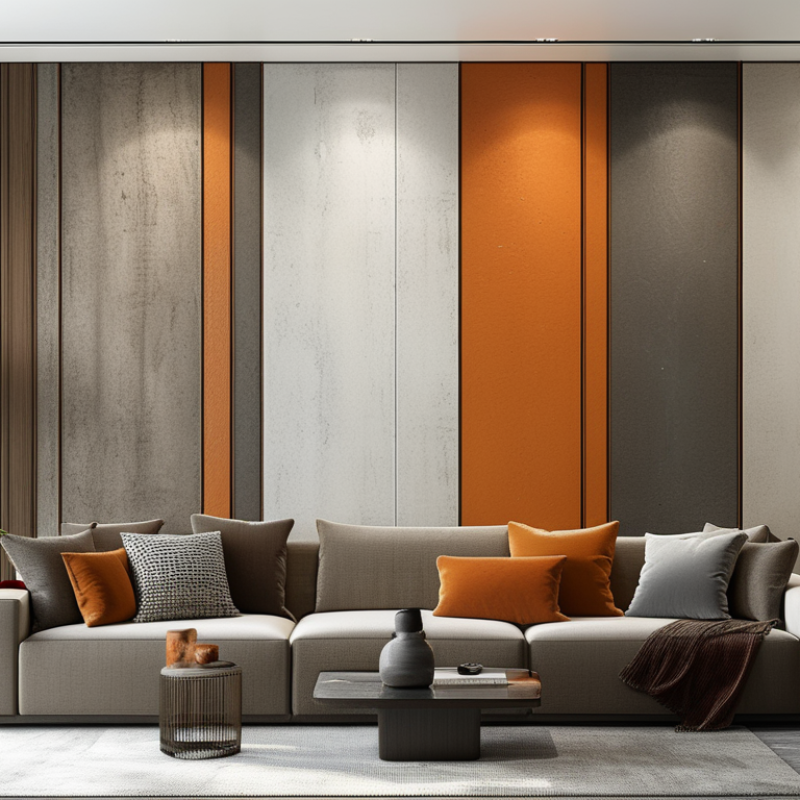
Understanding Different Types of Wall Board Panels Available
When it comes to wall board panels, understanding your options is crucial. There are several types, each with unique benefits. Gypsum boards, for instance, are common in residential settings. They offer good fire resistance and soundproofing. However, they can be heavy and harder to install.
Another popular choice is plywood panels. They provide a natural aesthetic and are quite durable. Plywood is easier to cut and shape than gypsum. On the flip side, they can warp in humid environments. Consider the climate and conditions of your project site carefully.
For moisture-prone areas, cement board panels are ideal. They resist mold and mildew, making them perfect for bathrooms and kitchens. Yet, the installation might be more labor-intensive. Think about your project's long-term durability and maintenance needs. Each type has its pros and cons, which deserve careful consideration.
Ultimate Tips for Choosing Wall Board Panels for Your Project
| Type of Wall Board Panel | Material | Thickness | Fire Resistance | Moisture Resistance | Typical Use Cases |
| Gypsum Board | Gypsum | 1/2 inch | Standard | Low | Drywall applications, interior walls |
| Green Board | Gypsum with moisture-resistant additives | 1/2 inch | Standard | Moderate | Bathrooms, laundry rooms |
| Blue Board | Gypsum | 5/8 inch | High | Low | Plaster applications, special finishes |
| Cement Board | Cement and cellulose | 1/2 inch, 1 inch | High | High | Wet areas, kitchens, bathrooms |
| Soundproof Board | Mineral wool, gypsum | 1/2 inch | Standard | Low | Condominiums, offices, music rooms |
Evaluating the Durability and Performance of Wall Board Materials
When selecting wall board materials, durability is a crucial consideration. A resilient wall board can withstand impacts and resist moisture, preventing long-term damage. For instance, consider the climate of your project location. High humidity areas may require materials that resist mold. Always look for boards that come with warranty options, ensuring quality assurance.
Performance is another critical factor. Examine the fire rating of each option. Some wall boards offer better fire resistance than others. Also, think about sound insulation properties, especially if the project involves residential or commercial spaces. Soundproof boards can significantly enhance comfort levels.
In some cases, the perfect choice may not be obvious. It can be tempting to prioritize aesthetics over performance. Remember, what looks good now may not hold up in a few years. Evaluate both the visual appeal and functional attributes. Reflect on your needs and the long-term implications of your choice.
Assessing Aesthetic Options and Styles for Wall Board Panels
Choosing the right wall board panels involves careful consideration of aesthetics and style. When you're assessing options, think about the atmosphere you want to create. Smooth finishes can evoke a modern vibe, while textured surfaces often bring warmth. Colors play a crucial role, too. Soft neutrals can make a space feel larger, while bold hues add character.
Take the time to explore different patterns and materials. Natural wood grain panels add a rustic touch. Alternatively, metallic finishes might suit a contemporary design. Consider how lighting affects your choices. Bright lights can enhance colors, but shadows may alter textures. Balancing these elements is key to achieving the desired effect. Sometimes, what looks good in the store might not suit your home’s lighting or size.
Lastly, don’t overlook practicality. Some materials may be stunning but not durable for high-traffic areas. Reflect on how the paneling will hold up over time. Aesthetic appeal should never compromise functionality. An informed choice leads to both style and substance.
Considering Installation Methods and Requirements for Wall Boards
When selecting wall board panels, installation methods are crucial. Proper installation can ensure durability and aesthetics. According to industry reports, approximately 25% of installation issues stem from improper techniques. It’s vital to understand the requirements of your chosen wall board type.
Consider the weight of your wall boards. Heavier panels often require additional support. Use proper anchors and verify wall compatibility. An expert tip is to pre-drill holes for screws. This can help prevent cracking during installation. Ensure that you're equipped with the right tools. Missing tools can disrupt your project timeline.
Another factor is environmental conditions. Moisture levels can impact the adhesion of wall boards. You might want to check humidity ranges before installation. If conditions are unfavorable, consider adjusting your installation schedule. Always inspect the panels for defects before use. Small imperfections can lead to significant issues later. Taking time at the outset pays off handsomely in the long run.
Calculating Budget and Cost-Effectiveness for Your Wall Board Project
When embarking on a wall board project, budget considerations are crucial. Start by estimating material costs. Wall board panels come in various types and pricing. Calculate the square footage to determine how much material you will need. Don’t forget to factor in wastage. Often, around 10% should be added to your total. This ensures you have enough panels to cover any cuts or mistakes.
Labor costs can vary widely. If you plan to hire professionals, inquire about their rates upfront. You might discover that some services offer package deals that could be cost-effective. Alternatively, consider DIY options if you are handy. However, weigh the time investment and your skill level against potential savings. Sometimes, saving a few dollars can lead to greater expenses down the line if mistakes occur.
In addition to upfront costs, think about long-term value. High-quality panels might seem more expensive, but their durability pays off over time. Assess the project’s return on investment. Will the new wall panels enhance your property value? Factors like aesthetics and functionality should inform your decisions. Remember, cutting corners now might lead to regrets later.
