Top 10 3 Bedroom Prefab House Designs for Global Buyers?
When considering sustainable living, a 3 Bedroom Prefab House presents an appealing option for various buyers worldwide. These homes are not just stylish; they also highlight eco-friendly construction techniques. Prefabricated houses are built in controlled environments, leading to less waste and reduced construction time. This efficiency can result in cost savings for homeowners.
Each design offers unique features that cater to diverse lifestyles. From modern aesthetics to traditional comforts, these houses provide flexibility. However, potential buyers must think about location, land costs, and zoning regulations. It's essential to understand these aspects to make an informed decision.
Moreover, while many prefab designs look perfect in photos, real-life experiences can differ. Homeowners often face challenges, such as installation issues or space utilization. These factors should be carefully weighed against the benefits of owning a 3 Bedroom Prefab House. While they can offer ideal living solutions, reflecting critically on one’s needs is crucial before diving in.
Top Trends in Prefab House Design for Three-Bedroom Models
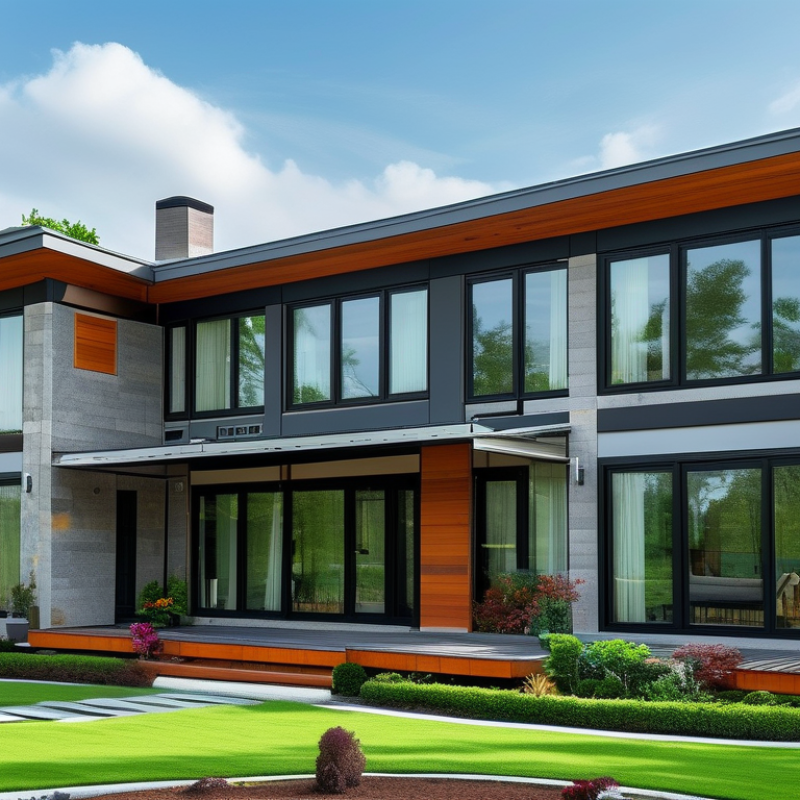
Prefab houses are gaining popularity, especially for three-bedroom models. Designers are crafting homes that balance aesthetics, function, and sustainability. One trend is the use of large windows. They invite natural light and create a sense of openness. This is especially valuable in smaller homes.
Sustainable materials are also crucial. Many builders are incorporating recycled and eco-friendly options. This approach reduces waste and promotes environmental responsibility. However, sourcing these materials can pose challenges. Availability may be limited in some regions, impacting timelines and costs.
Flexible spaces are another exciting trend. Homeowners desire areas that can transform to meet their needs. Multi-purpose rooms offer versatility but can lead to design dilemmas. Striking the right balance between comfort and functionality is essential. This requires thoughtful planning and creativity.
These aspects highlight that while trends can guide design, individual preferences ultimately shape homes.
Key Features to Look for in 3 Bedroom Prefab Houses
When considering a 3-bedroom prefab house, it's crucial to prioritize key features that enhance both functionality and comfort. Look for energy-efficient designs that benefit from sustainable materials. These choices not only lower utility bills but also contribute to a healthier living environment. Insulation quality is essential too. Good insulation ensures a cozy atmosphere and reduces noise pollution, making your home a serene space.
Another crucial aspect is the layout of the house. An open floor plan can promote interaction among family members while maximizing space. Of course, the flow from room to room should feel natural. A well-designed kitchen that connects seamlessly with living areas can be a game-changer for family gatherings. On the other hand, consider storage solutions. Homes often lack sufficient storage, leading to clutter. Smart design should integrate built-in shelves and closets, ensuring every item has a place.
Additionally, outdoor space shouldn't be overlooked. A yard or deck provides opportunities for relaxation and recreation. Balance between indoor and outdoor living areas can elevate your home experience. Remember, while aesthetics matter, focusing on practicality ensures your prefab house serves your needs well. Keep these features in mind during your search.
Popular Materials Used in Modern Prefab Construction
In modern prefab construction, the choice of materials significantly impacts sustainability and durability. Research from the National Association of Home Builders (NAHB) indicates that over 70% of buyers prefer energy-efficient materials in their homes. Commonly used materials include steel, engineered wood, and recycled plastic. These options not only enhance structural integrity but also contribute to a reduced carbon footprint.
Steel frames are increasingly popular due to their strength and resistance to pests. Studies show that homes built with steel can last up to 40% longer than traditional wood-framed houses. However, the energy costs associated with steel production present a challenge that needs addressing. Moreover, engineered wood, made from recycled timber, is both eco-friendly and cost-effective. Its manufacturing process consumes less energy than solid wood.
The use of insulated panels is another trend. These panels provide superior thermal performance and can significantly lower heating bills. A report from the U.S. Department of Energy highlights that homes using insulated panels can save up to 50% on energy costs. Nevertheless, finding the right balance between cost and insulation performance is still a matter of exploration for many builders. Overall, while these materials offer promising benefits, ongoing scrutiny of their long-term impact is crucial for sustainable development in the prefab housing sector.
Cost Analysis of Building a Three-Bedroom Prefab Home
Building a three-bedroom prefab home can be a cost-effective and efficient choice for many buyers. The initial cost of these homes varies significantly depending on the design and materials used. On average, a prefab house can range from $100 to $200 per square foot. Factors like location and customization also affect pricing. Additionally, assembly time is shorter compared to traditional homes, which can lead to savings on labor.
However, potential buyers should be aware of hidden costs. Site preparation, utility connections, and permits can add to the overall expense. It's essential to factor these into the budget before committing. Quality and durability of materials are crucial. Cheaper options may seem appealing but can lead to issues down the line. Some designs may require more maintenance, impacting long-term value. It's wise to research thoroughly and consider all aspects before making a decision.
Cost Analysis of Top 10 3 Bedroom Prefab House Designs
Environmental Sustainability in Prefab House Designs
Prefab houses are becoming popular for their environmental benefits. Research indicates that they can reduce construction waste by up to 30%. This statistic is vital in a world where construction waste contributes to 40% of landfill waste. By using modular designs, builders can create homes with less material and energy use.
Sustainability in prefab designs also involves innovative materials. For instance, many modern prefab homes now utilize recycled steel and sustainable wood. These materials not only reduce the carbon footprint but also promote better air quality inside homes. A study by the World Green Building Council highlights that eco-friendly buildings can decrease greenhouse gas emissions by nearly 28%.
Prefab houses encourage energy efficiency too. Many designs feature superior insulation and energy-efficient windows. This translates to lower energy bills and a smaller carbon footprint. However, buyers should be cautious. Not all prefab homes prioritize sustainability. It's essential to evaluate each design's materials and construction methods. Fewer options are available that genuinely reflect sustainability principles. This gap highlights the need for industry growth in eco-friendly prefab home designs.
Top 10 3 Bedroom Prefab House Designs for Global Buyers
| Design Name | Size (sq ft) | Materials Used | Key Features | Sustainability Rating |
| Eco Haven | 1,200 | Recycled Steel, Bamboo | Solar Panels, Green Roof | A++ |
| Modern Minimalist | 1,500 | Wood, Glass | Natural Light, Energy Efficient | A+ |
| Cozy Cottage | 950 | Timber, Earth Blocks | Insulated Walls, Rainwater Harvesting | A |
| Comfy Retreat | 1,350 | Reclaimed Wood, Steel | Smart Home Features, Eco-friendly | A+ |
| Sustainable Family Home | 1,400 | Straw Bale, Earth Cement | Passive Solar Design, High Insulation | A++ |
| Flexible Spaces | 1,250 | Wood, Recycled Materials | Adaptable Rooms, Open Layout | B+ |
| Urban Haven | 1,600 | Concrete, Glass | Rooftop Garden, Smart Energy System | A+ |
| Eco-Friendly Farmhouse | 1,800 | Wood, Metal | Sustainable Materials, Energy Efficient | A++ |
| Nature-Inspired Home | 1,400 | Clay, Wood | Natural Ventilation, Green Context | A+ |
| Innovative Contemporary | 1,500 | Composite Materials, Glass | Modular Design, Efficient Insulation | A++ |
