Top 10 Electric Commercial Trucks Transforming the Transportation Industry?
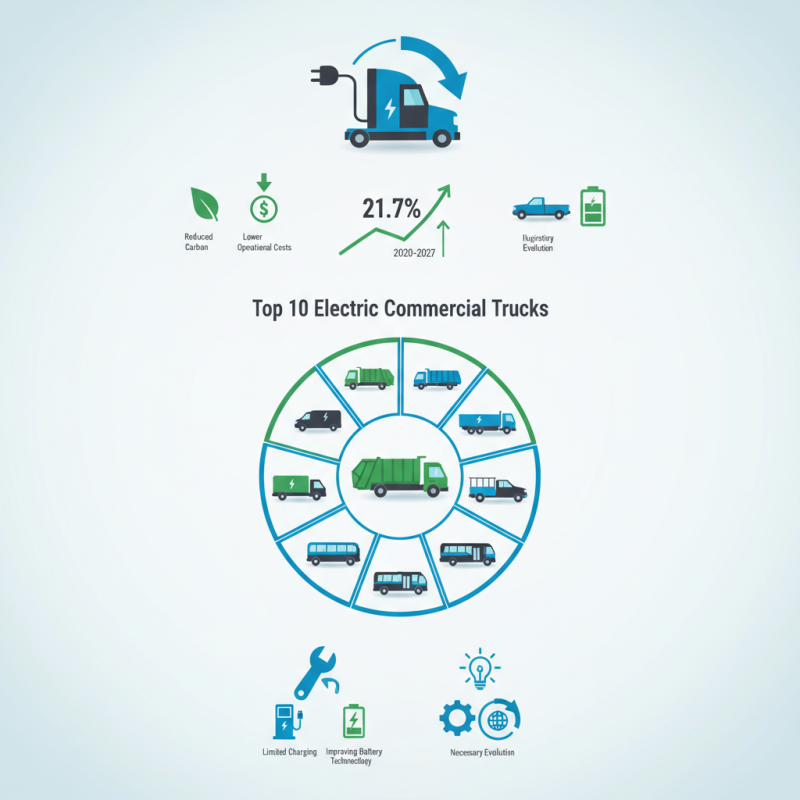
The rise of Electric Commercial Trucks is reshaping the transportation industry. According to recent market research, this sector is projected to grow at a CAGR of 21.7% from 2020 to 2027. More companies are recognizing the need for sustainable options. These trucks reduce carbon emissions and operational costs effectively.
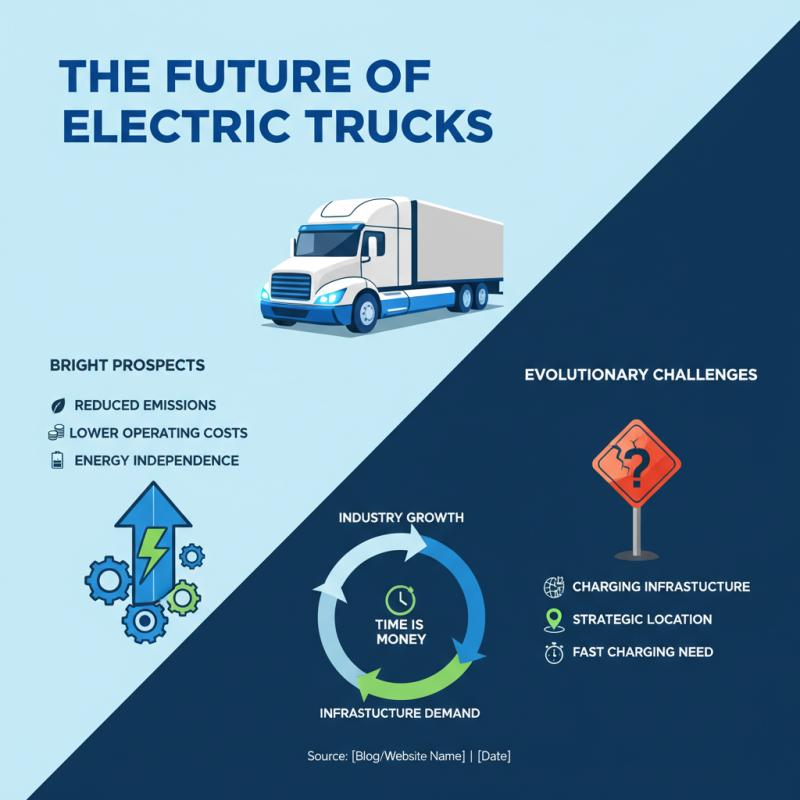
Many fleets are now integrating electric models. Companies like Tesla and Rivian are leading the charge. The availability of government incentives is also crucial. However, challenges remain. Infrastructure for charging is still limited, and battery technology needs improvement.
As we explore the top 10 electric commercial trucks, consider their potential impact. Will they truly revolutionize logistics? The shift towards electric vehicles is more than a trend; it’s a necessary evolution. Adopting these vehicles requires careful planning and investment. The industry's future hinges on these bold steps.
Key Innovations in Electric Commercial Truck Design
The electric commercial truck sector is witnessing groundbreaking innovations. One notable advancement is the focus on battery technology. Manufacturers are exploring solid-state batteries. These offer a longer range and faster charging times. Additionally, regenerative braking systems are being enhanced to improve energy efficiency.
Aerodynamics plays a critical role in design. Many new models utilize streamlined shapes to reduce air resistance. This can lead to significant energy savings during long hauls. However, some designs seem to prioritize aesthetics over functionality. It's essential to strike a balance between form and purpose.
Another significant innovation is the integration of smart technology. Advanced telematics systems are now standard. They monitor vehicle performance and predict maintenance needs. This proactive approach reduces downtime and operational costs. Yet, it also raises questions about data privacy. As the technology evolves, finding a way to secure data will be vital. The journey to a sustainable future in commercial transportation is just beginning.
Major Manufacturers Leading the Electric Truck Market
The electric truck market is evolving rapidly, with several major manufacturers leading the charge. The global electric truck market is projected to reach over $150 billion by 2030, according to a recent industry report. This significant growth reflects the shifting focus towards sustainable transportation solutions.
Several manufacturers have developed models that promise efficiency and reduced emissions. Electric trucks can save up to 60% on fuel costs compared to traditional diesel trucks. However, these vehicles still face challenges such as charging infrastructure. Many regions lack sufficient charging stations, which can hinder the adoption rate.
Moreover, the battery technology used in electric trucks is under constant scrutiny. Current battery systems can degrade over time, affecting performance. Some reports suggest that a lack of recycling options for used batteries is a critical issue. There are ongoing initiatives aimed at creating a more sustainable lifecycle for these batteries. Addressing these challenges is essential for the electric truck industry to truly transform transportation.
Top 10 Electric Commercial Trucks Transforming the Transportation Industry
| Truck Model |
Range (Miles) |
Payload Capacity (lbs) |
Charging Time (Hours) |
Price ($) |
| Model A |
250 |
8000 |
1.5 |
150,000 |
| Model B |
300 |
9000 |
2 |
160,000 |
| Model C |
200 |
7500 |
1 |
140,000 |
| Model D |
350 |
10000 |
1.5 |
170,000 |
| Model E |
280 |
8500 |
2 |
165,000 |
| Model F |
400 |
12000 |
3 |
180,000 |
| Model G |
320 |
9500 |
1.5 |
175,000 |
| Model H |
250 |
8000 |
2 |
155,000 |
| Model I |
300 |
9000 |
1.5 |
165,000 |
| Model J |
350 |
11000 |
2 |
185,000 |
Environmental Impact of Electric Trucks on Transportation
Electric trucks are gaining traction in the transportation industry. Their environmental impact is considerable. Traditional trucks often rely on fossil fuels, emitting harmful greenhouse gases. In contrast, electric trucks produce zero tailpipe emissions. This shift could significantly improve air quality in urban areas. Potentially, less pollution means healthier communities.
While the benefits are clear, challenges remain. Infrastructure for charging electric trucks is not fully developed. Many regions lack sufficient charging stations, making long-haul travel tricky. Additionally, battery production raises concerns about resource extraction. The sourcing of materials can lead to environmental degradation. These factors require careful consideration as the industry evolves.
Public perception also plays a role. Many people are still wary of electric vehicles. Misconceptions about range and reliability persist. It’s essential for manufacturers to address these issues. Education and outreach could help shift attitudes. As electric commercial trucks advance, their impact on the environment can be substantial. However, the journey toward widespread adoption is ongoing and needs careful navigation.
Environmental Impact of Electric Trucks on Transportation
Case Studies of Successful Electric Truck Deployments
Electric trucks are changing the logistics landscape. Many companies have begun deploying electric commercial vehicles to reduce emissions and improve efficiency. For example, a recent study showed that deploying electric trucks could reduce greenhouse gas emissions by up to 80% compared to traditional diesel trucks. This shift is critical as cities push for cleaner air.
A case study from a logistics company revealed mixed results. Initially, there was excitement about cost savings. However, the trucks faced challenges with charging infrastructure. Inadequate charging stations near distribution centers limited their use. This issue highlights the need for more strategic planning in electric fleet deployment. Furthermore, maintenance costs were higher than expected during the first year.
Another notable case involved a delivery service that integrated electric trucks into its urban fleet. They achieved an impressive 30% drop in fuel costs. Yet, the initial investment was steep. Businesses often underestimate the financial commitment needed for infrastructure upgrades. Understanding these factors is crucial for companies pushing toward a greener future.