
Sorry. We did not find anything.
China’s heavy truck market is broad, competitive, and shaped by demanding work conditions. A Heavy Duty Truck hauling coal across a western plateau faces different needs from one delivering goods through crowded city streets. That difference matters. Buyers often compare payload, engine performance, fuel use, service access, and purchase cost—not just the badge on the grille.
Several names appear regularly in discussions of China’s leading manufacturers: FAW Jiefang, Dongfeng, Sinotruk, Shaanxi Auto, and Foton. SANY has also expanded its presence in heavy commercial vehicles. Each offers models for particular routes and jobs, while product availability and specifications can vary by region and model year. There is no single brand that suits every operator. A long-haul fleet may value fuel economy and a wide service network; a construction contractor may focus more on durability, ground clearance, and support near remote worksites.
This guide compares those brands through practical criteria rather than unsupported rankings. It considers vehicle range, typical applications, technology, and after-sales support, while noting where buyers should verify current specifications with manufacturers or local dealers. Real-world performance can depend on maintenance, load, road quality, and driving habits. That is easy to overlook. Brand reputation helps, but it cannot replace checking the exact truck, its warranty terms, and the service coverage available along the routes it will travel.
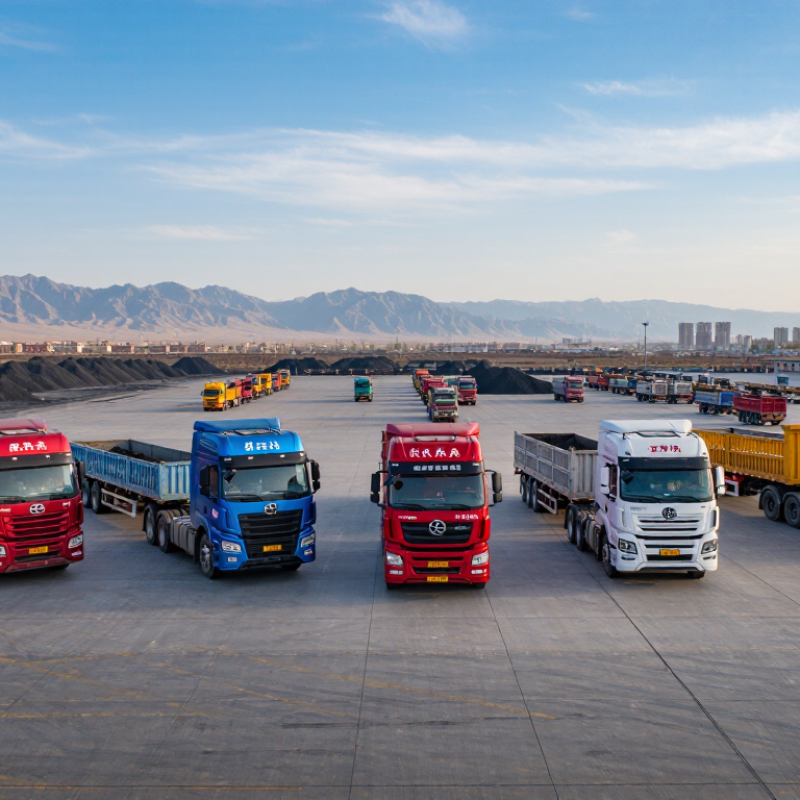
A heavy-duty truck brand in China is defined by more than engine output or a polished cab. It must build vehicles suited to demanding routes, varied climates, and different freight needs. A loaded truck climbing a steep road tests cooling, transmission response, and braking far more clearly than a brochure can. So does a long shift on dusty construction roads. Real use matters.
Buyers also judge how reliably a truck stays in service. Practical signs include accessible parts, trained repair support, clear maintenance schedules, and consistent quality across vehicle batches. These details affect operating costs over years, not just the purchase price. A strong brand should provide technical data that fleet managers can verify, including payload limits and fuel-use conditions. Claims need context. Performance changes with cargo, terrain, driving habits, and upkeep, so one test result cannot represent every fleet. Even well-designed trucks can have weak points, and buyers should compare service records and total ownership costs rather than trust reputation alone. That judgment takes work.
A common industry classification distinguishes truck categories by gross vehicle weight (GVW). Heavy-duty trucks are generally classified above 14 tonnes.
The chart shows category thresholds, not individual vehicle weights. Classification boundaries may differ by regulatory or industry context.
China’s heavy-duty truck manufacturers serve long-haul freight, construction, mining, and municipal fleets. Leading manufacturers commonly produce tractor units, dump trucks, and specialized chassis, with varying strengths in payload, powertrain options, cab comfort, and production capacity. The right comparison starts with the route, load, and working conditions—not a popularity ranking. A truck hauling grain on highways faces different demands from one carrying stone over steep site roads. Details matter.
When assessing manufacturers, compare axle configurations, rated payload, fuel use, warranty terms, and access to replacement parts. Ask for service coverage along the routes the truck will actually travel. Where possible, review maintenance records from fleets with similar workloads, rather than relying only on brochure figures. One weakness in quick comparisons is treating a test drive as proof of long-term reliability; operating conditions can change the result. Check the evidence. A careful buyer should also admit when data is incomplete.
Tips: Request written specifications and a clear service plan. Compare fuel consumption under similar loads and routes. Keep records during any trial period; small gaps in the comparison can lead to costly assumptions.
China’s heavy-duty truck makers typically organize their ranges around hauling tasks. Tractor heads, especially 6x4 configurations, serve long-distance freight and port transport. Dump trucks, often in 8x4 layouts, target construction and mining work. Rigid cargo trucks and specialized chassis cover regional delivery, municipal services, and equipment installations. Buyers should compare payload, axle configuration, cab comfort, and service access—not just engine output.
The China Association of Automobile Manufacturers reported 3.872 million commercial vehicles sold in 2024, up 3.9% year over year. This figure includes all commercial vehicles, not heavy trucks alone, so it cannot rank heavy-duty makers directly. Within each product category, diesel remains common, while LNG and battery-electric options may suit specific routes and operating conditions. A listed model’s range can vary by configuration. Check the exact specification sheet.
Tips: Match the truck to a real route, load, and duty cycle. Ask dealers about parts availability and warranty coverage in your region. Shortlist carefully. A high-capacity model may look ideal, but fuel use and downtime can change the calculation.
Chinese heavy-duty trucks differ less by appearance than by powertrain, software, and duty-cycle tuning. The IEA’s Global EV Outlook 2024 reports that electric-truck sales grew about 35% worldwide in 2023, with China accounting for roughly 70% of sales. That growth reflects rapid progress in battery packs, motors, and charging integration. Electric models can deliver smooth low-speed torque for urban delivery and port work. Diesel and gas models still suit many long-haul routes, where refueling access and payload matter.
Performance depends on the whole vehicle, not one headline figure. A larger battery may extend range, but it also adds weight and can reduce available payload. Engine power, axle ratios, cooling capacity, and transmission calibration shape hill-climbing and fuel use. In daily operation, a truck crossing steep roads with a full load faces different demands from one running empty on flat highways. The IEA sales figure measures adoption, not uptime or lifetime cost. That distinction matters. Cold weather, poor charging access, and uneven service support can change results, and published specifications do not always capture those conditions. Buyers should compare tested energy use, payload, maintenance intervals, and route-specific range—not just peak horsepower.
| Comparison Dimension | Market Fact or Available Configuration | Technology and Performance Differences | What Buyers Should Consider |
|---|---|---|---|
| Primary applications | Heavy-duty trucks serve long-haul freight, regional distribution, construction, mining, port operations, and municipal work. | Long-haul tractors prioritize highway efficiency and driver comfort, while vocational trucks are configured for demanding surfaces, frequent stops, or specialized equipment. | Match the vehicle configuration to route, terrain, annual mileage, payload, and operating hours. |
| Powertrain options | Diesel remains widely used. Battery-electric and hydrogen fuel-cell trucks are also available for selected applications. | Diesel supports a broad range of routes and refueling conditions. Battery-electric vehicles can suit operations with predictable routes and charging access. Fuel-cell vehicles require hydrogen supply infrastructure. | Compare total operating cost, energy availability, route length, payload needs, and local infrastructure—not just rated power. |
| Emissions technology | China VI requirements for heavy-duty diesel vehicles took effect nationally on July 1, 2021. | Compliant diesel systems use emissions-control technologies such as particulate filtration and nitrogen-oxide aftertreatment. System design and maintenance requirements can vary by vehicle configuration. | Confirm the vehicle’s applicable emissions certification and account for correct fluids, servicing, and aftertreatment maintenance. |
| Transmission and drivability | Manual and automated manual transmissions are available in the heavy-truck market. | Automated shifting can reduce driver workload in stop-and-go traffic and support consistent gear selection; manual control may be preferred for some specialized conditions or driver practices. | Evaluate shifting behavior under the actual load, route gradient, and traffic conditions. |
| Axle and chassis configuration | Common heavy-truck layouts include 4×2 and 6×4 tractors, with multiple axle and body configurations for vocational work. | More driven axles can improve traction in demanding conditions but generally add weight and mechanical complexity. The appropriate setup depends on road conditions and legal limits. | Check axle ratings, permitted gross weight, tire specification, and the effect of chassis weight on payload. |
| Fuel and energy efficiency | Actual consumption varies with gross weight, speed, terrain, weather, traffic, vehicle condition, and driving style. | Engine calibration, transmission control, aerodynamics, tire selection, and driver-assistance functions can affect energy use; results are route- and load-dependent. | Use comparable route and payload data from fleet operations or a controlled evaluation rather than relying on a single nominal figure. |
| Cab and driver-assistance technology | Depending on specification, trucks may offer digital instruments, telematics, adaptive cruise control, lane-related alerts, or other driver-assistance features. | Equipment availability and capability vary by model and trim. These systems can support monitoring and driver workload management but do not replace attentive driving. | Verify the installed feature list, operating limitations, service support, and compatibility with fleet systems. |
| Maintenance and uptime | Service intervals and repair needs depend on the powertrain, duty cycle, load, operating environment, and maintenance schedule. | Diesel vehicles require engine and emissions-system servicing; electric vehicles have different maintenance needs and depend on battery and charging-system support. | Compare local parts availability, workshop coverage, warranty terms, diagnostic support, and expected downtime. |
| Overall performance assessment | There is no single configuration that is best for every heavy-truck application. | Performance is a balance of payload, traction, energy use, reliability, driver comfort, compliance, and operating cost. | Assess vehicles using the same route, load, operating hours, and cost assumptions for a meaningful comparison. |
When comparing heavy-duty truck makers, judge the complete operating package, not the headline horsepower. Match engine output and axle ratios to actual routes: steep grades, stop-start delivery, or long highway runs. Check rated payload, frame options, braking performance, and cab visibility against your daily load and driver conditions. Small mismatches cost time. A truck that suits one route may waste fuel on another.
Fuel use and service access deserve close scrutiny. The IEA’s Global EV Outlook 2024 reports that electric truck sales reached nearly 54,000 worldwide in 2023, up about 35% from 2022. That shift makes charging access and duty-cycle fit worth assessing alongside diesel consumption. Ask suppliers for test results under comparable loads, speeds, and terrain; brochure figures alone can mislead. Review parts availability, repair turnaround, warranty coverage, and technician access near your routes. Downtime is expensive.
Look beyond purchase price. Compare total cost over the expected ownership period, including fuel or energy, tires, maintenance, financing, and resale assumptions. Request real service records where possible, and verify that reported fuel figures match your operation. I would not treat a single fleet’s results as universal. Even a careful comparison leaves uncertainty; routes and driver habits change. Make the assumptions explicit.
| Cookie | Duration | Description |
|---|---|---|
| cookielawinfo-checbox-analytics | 11 months | This cookie is set by GDPR Cookie Consent plugin. The cookie is used to store the user consent for the cookies in the category "Analytics". |
| cookielawinfo-checbox-analytics | 11 months | This cookie is set by GDPR Cookie Consent plugin. The cookie is used to store the user consent for the cookies in the category "Analytics". |
| cookielawinfo-checbox-analytics | 11 months | This cookie is set by GDPR Cookie Consent plugin. The cookie is used to store the user consent for the cookies in the category "Analytics". |
| cookielawinfo-checbox-functional | 11 months | The cookie is set by GDPR cookie consent to record the user consent for the cookies in the category "Functional". |
| cookielawinfo-checbox-functional | 11 months | The cookie is set by GDPR cookie consent to record the user consent for the cookies in the category "Functional". |
| cookielawinfo-checbox-functional | 11 months | The cookie is set by GDPR cookie consent to record the user consent for the cookies in the category "Functional". |
| cookielawinfo-checbox-others | 11 months | This cookie is set by GDPR Cookie Consent plugin. The cookie is used to store the user consent for the cookies in the category "Other. |
| cookielawinfo-checbox-others | 11 months | This cookie is set by GDPR Cookie Consent plugin. The cookie is used to store the user consent for the cookies in the category "Other. |
| cookielawinfo-checbox-others | 11 months | This cookie is set by GDPR Cookie Consent plugin. The cookie is used to store the user consent for the cookies in the category "Other. |
| cookielawinfo-checkbox-necessary | 11 months | This cookie is set by GDPR Cookie Consent plugin. The cookies is used to store the user consent for the cookies in the category "Necessary". |
| cookielawinfo-checkbox-necessary | 11 months | This cookie is set by GDPR Cookie Consent plugin. The cookies is used to store the user consent for the cookies in the category "Necessary". |
| cookielawinfo-checkbox-necessary | 11 months | This cookie is set by GDPR Cookie Consent plugin. The cookies is used to store the user consent for the cookies in the category "Necessary". |
| cookielawinfo-checkbox-performance | 11 months | This cookie is set by GDPR Cookie Consent plugin. The cookie is used to store the user consent for the cookies in the category "Performance". |
| cookielawinfo-checkbox-performance | 11 months | This cookie is set by GDPR Cookie Consent plugin. The cookie is used to store the user consent for the cookies in the category "Performance". |
| cookielawinfo-checkbox-performance | 11 months | This cookie is set by GDPR Cookie Consent plugin. The cookie is used to store the user consent for the cookies in the category "Performance". |
| viewed_cookie_policy | 11 months | The cookie is set by the GDPR Cookie Consent plugin and is used to store whether or not user has consented to the use of cookies. It does not store any personal data. |
| viewed_cookie_policy | 11 months | The cookie is set by the GDPR Cookie Consent plugin and is used to store whether or not user has consented to the use of cookies. It does not store any personal data. |