
Sorry. We did not find anything.
Professional karting is shaped by more than speed. Chassis geometry, braking consistency, component durability, and dependable technical support all influence a team’s season. For buyers, choosing a Professional Kart manufacturer means weighing track performance against practical details, including spare-part access and setup flexibility. Small margins matter.
This 2026 overview draws on two useful industry references. Grand View Research’s Go-Kart Market Size, Share & Trends Analysis Report examines the market by product type, application, and region, offering commercial context for manufacturers and buyers. FIA Karting’s technical regulations and homologation documents provide a different kind of evidence: they identify technical requirements and approved equipment categories relevant to international competition. These sources do not measure every factor that matters to a club racer or private team, but they help separate documented specifications from marketing claims.
The manufacturers compared here are assessed through their product range, engineering approach, competition presence, and after-sales support. A strong race record can be informative. It is not a guarantee that every chassis suits every driver, circuit, or budget. That distinction is easy to overlook. Manufacturing quality also shows up in less glamorous details: clean welds, consistent finishes, readily available parts, and clear setup guidance. The comparison aims to give readers a grounded starting point, while recognizing that local dealer support and driver preference can change the final choice.
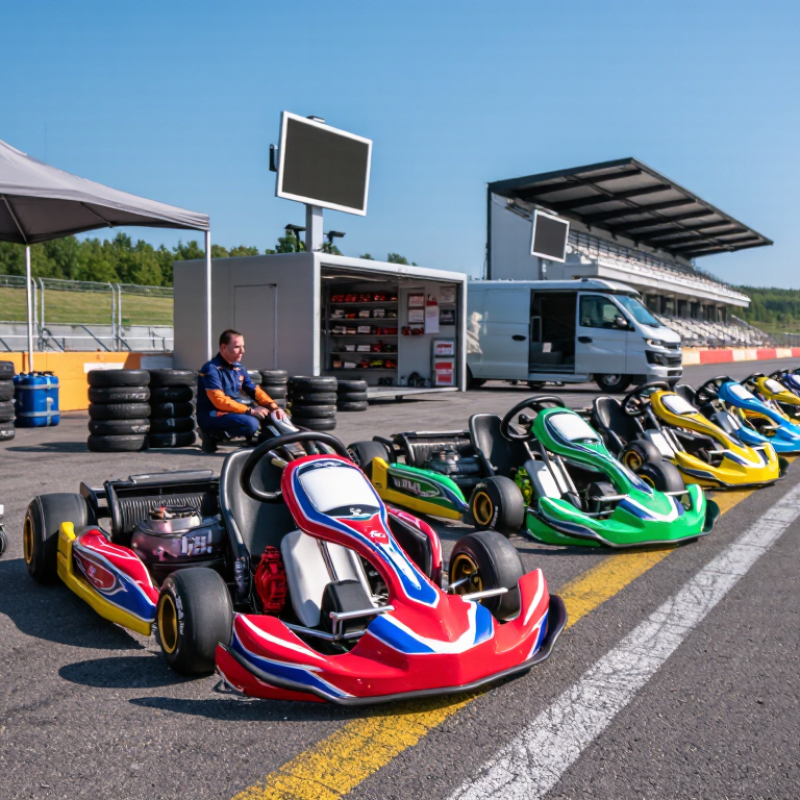
Professional kart manufacturing in 2026 is shaped by a simple demand: equipment must perform consistently, not just look fast. Buyers and racing teams increasingly examine frame geometry, weld quality, steering response, and how easily parts can be serviced between sessions. A kart that handles predictably through a tight hairpin can be more valuable than one with impressive specifications on paper. Small details matter. Cable routing, accessible fasteners, and clear setup guidance can save time at the track. Manufacturers also need to balance durable construction with manageable weight, since every design choice affects handling and upkeep.
The market is not moving in one direction. Some customers prioritize competition-ready chassis and precise adjustment; others need reliable training karts that tolerate frequent use. That makes flexible production and careful quality checks important. Measuring frame alignment, inspecting welds, and testing braking response are practical steps, though they cannot replace feedback from real track conditions. Not glamorous, but essential. Materials and production methods may continue to change, yet claims of better performance should be backed by repeatable tests. One area still deserves more attention: clear information about maintenance intervals and replacement parts. Even a strong design becomes frustrating when routine service is difficult. Manufacturers that listen to mechanics, drivers, and track operators can build products suited to the varied demands of the 2026 racing market.
Top Professional Kart Manufacturers in 2026
How Leading Kart Manufacturers Are Evaluated
A strong evaluation looks beyond glossy photos and headline specifications. Inspect frame welds for consistent finish, check tubing for visible damage, and confirm that key components are easy to source. Small details matter. A kart that is difficult to maintain can lose valuable track time, even if it performs well on paper.
Performance should be assessed through repeatable testing. Compare handling, braking response, and stability across several sessions, not just one fast lap. Record setup changes and track conditions. Experienced drivers can describe how a chassis behaves through a tight corner; newer drivers may reveal whether it feels predictable and forgiving. Both perspectives are useful, though neither tells the whole story.
Manufacturers also deserve attention for technical documentation, replacement-part availability, and the clarity of their support. Ask how products are checked before delivery and whether service guidance is practical. Independent feedback can help, but rider size, skill, and track surface affect results. That complicates comparisons. Even careful reviews have limits: a short test cannot show how a kart holds up across a full season, and evaluators may overlook details that matter to everyday mechanics.
| Evaluation Dimension | Weight | What Is Evaluated | Evidence to Review | Scoring Guide (1–5) |
|---|---|---|---|---|
| Safety and Regulatory Readiness | 20% | Design safeguards, component protection, braking-system specification, safety documentation, and suitability for the kart’s intended use and market. | Risk assessments, applicable conformity documentation, test records, maintenance instructions, and documented procedures for reporting safety issues. | 1: Limited documentation; 3: Key safety records and checks are available; 5: Thorough, traceable safety processes supported by current evidence. |
| Build Quality and Durability | 18% | Frame construction, weld consistency, corrosion protection, component fit, and the kart’s ability to withstand its stated operating conditions. | Material and production specifications, inspection records, durability-test results, and service or repair history where available. | 1: Inconsistent or weakly documented; 3: Meets stated requirements with routine inspection; 5: Consistent production quality backed by repeatable test and inspection records. |
| Performance and Handling | 15% | Predictability, stability, steering response, braking performance, and the suitability of the configuration for its intended track or use case. | Controlled test results, setup guidance, component specifications, and feedback collected under comparable operating conditions. | 1: Performance is poorly substantiated; 3: Meets the intended-use specification; 5: Repeatable performance is demonstrated across documented tests. |
| Manufacturing Consistency | 14% | Repeatability between units, quality-control coverage, traceability of critical parts, and the process used to address production defects. | Quality procedures, inspection checkpoints, production records, nonconformity handling, and any independently audited management-system documentation. | 1: Few formal controls; 3: Defined checks and corrective actions; 5: Traceable, measured processes with documented continuous improvement. |
| Serviceability and Parts Support | 12% | Ease of routine maintenance, clarity of repair information, spare-parts availability, and support for common wear items. | Parts catalogs, maintenance schedules, repair manuals, warranty terms, and published parts-ordering or support procedures. | 1: Support information is difficult to obtain; 3: Core service information and parts channels are available; 5: Clear documentation and structured parts support are demonstrated. |
| Product Range and Configuration | 8% | Availability of configurations for different driver groups, operating environments, and propulsion types, where applicable. | Current specification sheets, configuration options, compatibility information, and documented limits for each intended application. | 1: Narrow or unclear offering; 3: Options cover defined use cases; 5: Well-documented configurations with clear compatibility guidance. |
| Customer Support and Warranty Clarity | 7% | Accessibility of technical assistance, clarity of warranty coverage, response procedures, and handling of service requests. | Published warranty conditions, support channels, service procedures, and anonymized response or resolution records where available. | 1: Terms or support routes are unclear; 3: Defined warranty and support process; 5: Clear terms and documented, consistent case handling. |
| Environmental and Lifecycle Practices | 6% | Material efficiency, repairability, packaging practices, and end-of-life guidance, assessed in relation to the product and its supply chain. | Published environmental policies, materials information, packaging specifications, repair guidance, and substantiated lifecycle claims. | 1: No meaningful supporting information; 3: Some practices are documented; 5: Specific, verifiable actions and lifecycle information are provided. |
| Total Evaluation Weight | 100% | Weighted result = sum of each dimension’s score (1–5) multiplied by its assigned weight. Compare only products assessed using the same evidence standards and intended-use category. | ||
Professional kart manufacturers in 2026 stand out through more than peak speed. A chassis-focused builder typically offers adjustable seat positions, replaceable floor panels, and frame options for different track conditions. Inspect weld consistency and steering components closely. Small details matter. A kart that feels stable through a tight hairpin can save a driver from constant correction, but setup still depends on tire choice and track temperature.
A powertrain-focused manufacturer may emphasize reliable starting, predictable throttle response, and accessible service points. Ask how routine maintenance is documented and whether common parts are easy to obtain. These practical checks tell buyers more than a polished specification sheet. Some manufacturers also support fleet operators with driver-fit options and maintenance training, useful when karts run for many hours each week. No design suits every circuit. Even strong products can have compromises, and published performance figures rarely explain them. Comparing test conditions, warranty terms, and technician support gives each manufacturer profile more substance. A careful buyer should also check how replacement components are handled over time.
Comparing professional kart manufacturers means looking beyond frame appearance. Chassis design determines how the kart loads through corners, responds to grip, and behaves as tires wear. Ask for tubing specifications, axle options, and setup guidance. Small details matter.
Allied Market Research estimated the global go-kart market at $114.5 million in 2021, with a forecast of $182.3 million by 2031. This points to a growing market, but it does not prove that every component is race-ready. FIA Karting’s technical regulations and homologation documents offer useful reference points for checking whether chassis and parts meet the requirements of a given class. Compare brake feel, steering response, seat adjustment, and the availability of replacement parts—not just the listed equipment.
Technical support matters most when track conditions change. Ask whether setup sheets, spare axles, and clear maintenance instructions are available. A useful supplier can explain how tire pressure or axle stiffness may affect handling, without promising identical results on every circuit. It is easy to overvalue specifications on paper. Real setup choices still require careful testing, and support quality can be hard to judge before purchase.
Regulatory dimensions provide a consistent reference for comparing professional kart chassis designs.
The figures show FIA Karting maximum overall dimensions, not measurements for individual manufacturers. Use these regulatory limits alongside chassis construction, component specifications, and technical-support information when comparing manufacturers.
Choosing a kart manufacturer starts with the racing category, not the paint or brochure. Rental fleets need sturdy frames, quick service access, and replaceable components. Club sprint racers benefit from predictable handling and chassis options suited to track grip. For endurance events, prioritize driver fit, cooling, and parts availability during long running periods. Small details matter.
FIA Karting’s 2024 regulations place OK-Junior drivers in the 12–14 age band and OK drivers at 14 and older. The categories also have different technical requirements, so ask manufacturers for class-specific chassis documentation, homologation details, and setup guidance. For geared KZ or KZ2 racing, confirm support for the drivetrain and braking demands before comparing frame stiffness. For arrive-and-drive programs, ask how quickly common parts can be replaced. Fit matters.
Useful evidence includes FIA Karting’s 2024 sporting and technical regulations, alongside a manufacturer’s own durability and service records. Request test data from comparable tracks, including lap consistency, component wear, and repair time. A fast prototype may not represent a full season. I would also check spare-part lead times in writing; manufacturers sometimes make optimistic promises, and that deserves scrutiny. If possible, inspect welds, seat mounts, and front-end adjustment points in person.
| Cookie | Duration | Description |
|---|---|---|
| cookielawinfo-checbox-analytics | 11 months | This cookie is set by GDPR Cookie Consent plugin. The cookie is used to store the user consent for the cookies in the category "Analytics". |
| cookielawinfo-checbox-analytics | 11 months | This cookie is set by GDPR Cookie Consent plugin. The cookie is used to store the user consent for the cookies in the category "Analytics". |
| cookielawinfo-checbox-analytics | 11 months | This cookie is set by GDPR Cookie Consent plugin. The cookie is used to store the user consent for the cookies in the category "Analytics". |
| cookielawinfo-checbox-functional | 11 months | The cookie is set by GDPR cookie consent to record the user consent for the cookies in the category "Functional". |
| cookielawinfo-checbox-functional | 11 months | The cookie is set by GDPR cookie consent to record the user consent for the cookies in the category "Functional". |
| cookielawinfo-checbox-functional | 11 months | The cookie is set by GDPR cookie consent to record the user consent for the cookies in the category "Functional". |
| cookielawinfo-checbox-others | 11 months | This cookie is set by GDPR Cookie Consent plugin. The cookie is used to store the user consent for the cookies in the category "Other. |
| cookielawinfo-checbox-others | 11 months | This cookie is set by GDPR Cookie Consent plugin. The cookie is used to store the user consent for the cookies in the category "Other. |
| cookielawinfo-checbox-others | 11 months | This cookie is set by GDPR Cookie Consent plugin. The cookie is used to store the user consent for the cookies in the category "Other. |
| cookielawinfo-checkbox-necessary | 11 months | This cookie is set by GDPR Cookie Consent plugin. The cookies is used to store the user consent for the cookies in the category "Necessary". |
| cookielawinfo-checkbox-necessary | 11 months | This cookie is set by GDPR Cookie Consent plugin. The cookies is used to store the user consent for the cookies in the category "Necessary". |
| cookielawinfo-checkbox-necessary | 11 months | This cookie is set by GDPR Cookie Consent plugin. The cookies is used to store the user consent for the cookies in the category "Necessary". |
| cookielawinfo-checkbox-performance | 11 months | This cookie is set by GDPR Cookie Consent plugin. The cookie is used to store the user consent for the cookies in the category "Performance". |
| cookielawinfo-checkbox-performance | 11 months | This cookie is set by GDPR Cookie Consent plugin. The cookie is used to store the user consent for the cookies in the category "Performance". |
| cookielawinfo-checkbox-performance | 11 months | This cookie is set by GDPR Cookie Consent plugin. The cookie is used to store the user consent for the cookies in the category "Performance". |
| viewed_cookie_policy | 11 months | The cookie is set by the GDPR Cookie Consent plugin and is used to store whether or not user has consented to the use of cookies. It does not store any personal data. |
| viewed_cookie_policy | 11 months | The cookie is set by the GDPR Cookie Consent plugin and is used to store whether or not user has consented to the use of cookies. It does not store any personal data. |