Why Choose a Swamp Excavator for Your Construction Needs?
In the world of construction, choosing the right equipment is paramount. A Swamp Excavator can be a game-changer for projects in challenging terrains. According to industry expert John D. McCarthy, "Swamp Excavators are essential for navigating wetlands with confidence." This highlights their unique capabilities in environments where traditional excavators struggle.
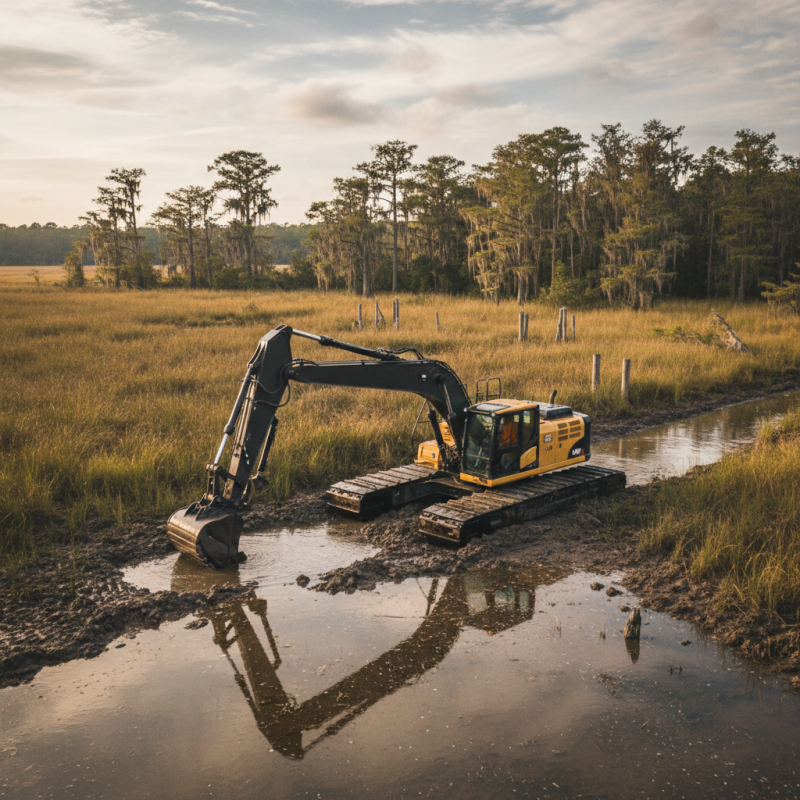
Swamp Excavators excel in marshy and muddy areas, providing reliability and efficiency. They are designed with specialized tracks and buoyancy systems, allowing them to move effortlessly over soft ground. Their versatility makes them invaluable for various construction needs, from drainage projects to land clearing.
While they offer numerous advantages, it's important to consider the specific demands of each project. Not every site may require a Swamp Excavator. Understanding when to utilize this equipment is crucial for optimal outcomes. This reflection on equipment selection can lead to better project efficiency and reduced costs.
Advantages of Swamp Excavators in Construction Projects
Swamp excavators are designed for challenging environments. They excel in marshy, wetland, and soft soil areas. When traditional excavators struggle, swamp excavators shine. Their unique ability to traverse uneven ground makes them ideal for construction projects in these settings.
One major advantage is their flotation capabilities. These machines often have wider tracks or pontoons. This allows them to distribute their weight, preventing sinking. As a result, they can work where regular machinery cannot. This specialized design opens up new possibilities for construction sites that were previously deemed inaccessible.
However, using swamp excavators comes with challenges. The learning curve can be steep for operators unfamiliar with their controls. Maintenance can also take more time due to their specialized components. Despite these hurdles, the benefits often outweigh the drawbacks. Taking the plunge into swamp excavators can lead to successful project completion.
Key Features of Swamp Excavators for Difficult Terrain
When working in challenging terrains like swamps, a swamp excavator proves essential. These machines are built specifically for muddy, uneven ground. According to industry reports, swamp excavators often have wider tracks and enhanced flotation that allow them to navigate soft surfaces without sinking. Their specialized design reduces operational risk and increases productivity on difficult sites.
Key features include a high ground clearance and a reinforced undercarriage, which help avoid damage from hidden obstacles. The boom and arm design is also crucial, allowing for greater flexibility when maneuvering in tight spaces. Reports indicate that these features can increase overall efficiency by up to 30% in wetland areas.
Tips: Always inspect the machine before use. Check for any wear on the tracks and undercarriage. Proper maintenance extends the life of your excavator.
Another consideration is the machine's weight distribution. An even load can prevent tipping in unstable conditions. Some operators overlook this, leading to unnecessary accidents. Training operators on swamp specifics can mitigate risks and enhance safety.
Why Choose a Swamp Excavator for Your Construction Needs? - Key Features of Swamp Excavators for Difficult Terrain
| Feature | Description | Benefits |
| Floating Capability | Designed to operate on waterlogged and soft ground without sinking. | Prevents damage to sensitive ecosystems and allows for work in wet conditions. |
| Extended Arms | Longer reach to excavate from a distance. | Increases versatility and reduces the need to reposition. |
| Specialized Tracks | Wider tracks distribute weight evenly. | Enhances stability and prevents sinking into soft ground. |
| Robust Frame | Reinforced structure to withstand harsh conditions. | Increases durability and reduces maintenance costs. |
| Hydraulic Performance | Powerful hydraulic system for efficient digging. | Improves excavation speed and performance. |
Comparative Analysis: Swamp Excavators vs. Traditional Excavators
Swamp excavators are specialized machines designed to tackle challenging terrains, such as wetlands, marshes, and soft ground. In a comparative analysis with traditional excavators, the key difference lies in their operational capabilities. A study by the American Society of Civil Engineers highlights that swamp excavators can operate efficiently in conditions where traditional excavators struggle. Their wide tracks and lightweight design minimize ground pressure, reducing soil disturbance by over 25% compared to standard models.
Operating in saturated soils or soft mud can lead to challenges for traditional excavators. They often get bogged down, resulting in delays and increased project costs. On the other hand, swamp excavators excel in these environments, enabling quicker project completion. The increased stability of swamp excavators allows them to perform precise digging tasks, even in precarious conditions.
**Tip:** When selecting machinery, consider the specific soil conditions and project requirements. Matching the right equipment to the landscape can save time and money.
Additionally, while swamp excavators provide unique advantages, they also require skilled operators who understand the intricacies of working in these environments. Training is essential to maximize efficiency and ensure safety. The investment in both the machine and operator training pays off in the long run, leading to successful project outcomes.
Applications of Swamp Excavators in Various Industries
Swamp excavators are vital tools in many industries. They operate efficiently in challenging environments like swamps, marshlands, and wetlands. Their unique design allows them to navigate soft and unstable terrain that traditional excavators cannot.
In the construction sector, swamp excavators aid in site preparation. They assist in creating foundations and clearing land for new buildings. Their large tracks distribute weight, reducing the risk of sinking. This makes them ideal for projects in flood-prone areas.
In the environmental sector, swamp excavators play a crucial role in wetland restoration. They help remove invasive species or debris, promoting native plant growth. This work is essential for maintaining biodiversity and improving ecosystem health.
Tip: Regular maintenance of swamp excavators enhances their longevity and performance. Inspect tracks and hydraulic systems frequently to ensure optimal function.
In the mining industry, swamp excavators assist in extracting resources from unique locations. Their versatility allows for efficient operations in swampy regions. However, operators need to be cautious. Poor maneuvering can lead to equipment bogging down, causing project delays.
Tip: Training operators on specific terrain can improve safety and efficiency. Understanding equipment limits reduces the risk of accidents.
Cost-Effectiveness of Using Swamp Excavators for Construction
Swamp excavators offer a unique solution for construction projects in wet and challenging terrains. These machines excel in areas where traditional excavators struggle. Their ability to work in marshy land reduces the costs associated with site preparation. This can lead to significant savings in labor and equipment costs.
Using a swamp excavator can also minimize the environmental impact. These machines are designed to disturb the ground less than standard models. Therefore, they help preserve the surrounding ecosystem. However, they may require specialized training for operators. This adds a layer of complexity and potential expense.
Cost-effectiveness stems from the efficiency these excavators bring. They can operate in areas that would typically be deemed inaccessible. This opens up new opportunities for projects that were previously on hold. However, not all jobs suit this equipment. Evaluating the specific needs of the site is crucial before making a decision.
