Sorry. We did not find anything.
A New Electric Truck has to prove itself beyond the showroom. Buyers need useful range, dependable charging, real payload capacity, and enough towing confidence for work or weekend trips. Those numbers matter, but so does the drive home in cold weather. A full bed or heavy trailer can change what the dashboard promises. Small details count.
Rivian founder and CEO RJ Scaringe has emphasized a central challenge for electric vehicles: they must combine sustainability with practical everyday capability. That idea is a useful lens for comparing the 7 Best New Electric Trucks to Buy in 2026. This guide looks at range, charging speed, price, cabin comfort, and the compromises behind each truck’s headline figures. Some models may suit job sites; others may fit family travel better. There is no perfect pick. Battery performance can vary with temperature, load, and driving habits, and published estimates do not guarantee your results. We’ll separate appealing features from the details worth checking, including towing range and charging access along your usual routes. A polished spec sheet can still leave questions. That is worth remembering.
In 2026, an electric truck should be judged by its job, not just its battery size. Compare gross vehicle weight rating, payload, range under load, and charging needs. The U.S. Department of Energy classifies trucks by weight, a useful starting point when comparing vehicles built for different work. A delivery truck and a heavy hauler should not share one simple score. That distinction matters.
The International Energy Agency’s Global EV Outlook 2024 counted nearly 54,000 electric-truck sales worldwide in 2023. That was about 1.2% of truck sales, and roughly three times 2022’s volume. These figures show a growing market, not proof that every route is ready for electrification. Buyers should check real-world range with cargo, cold-weather performance, charging time, and available payload after the battery is fitted.
A useful evaluation also measures uptime and energy use per mile, rather than relying on advertised range alone. Ask whether a truck can finish a full shift and recharge during its normal break. Small details count: a charger’s location, a tight loading bay, or a heavy trailer can change the result. Comparisons remain imperfect because test routes and loads vary. I would treat any single range figure with caution.

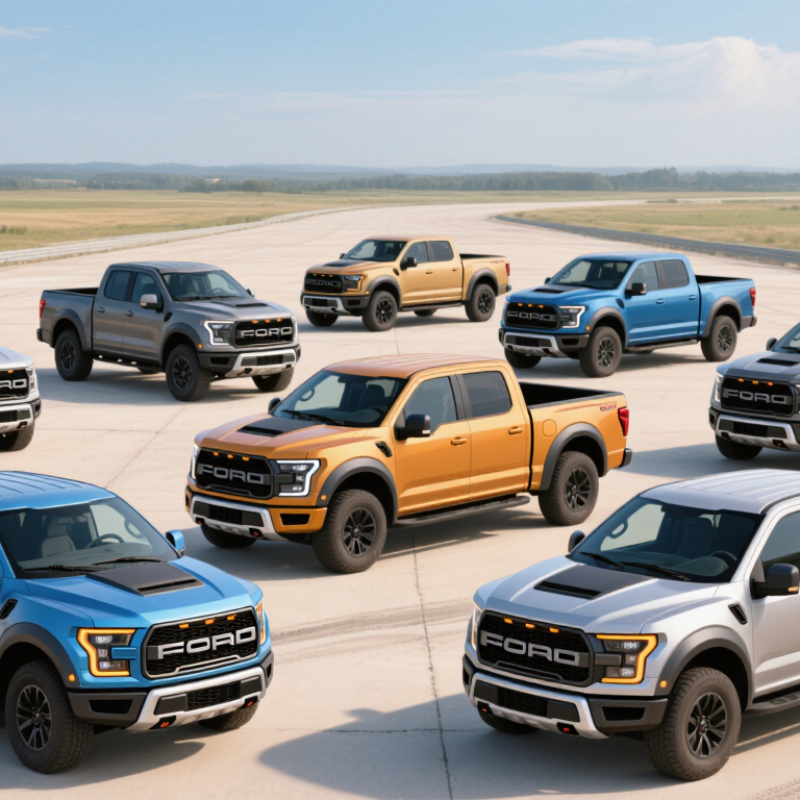
Seven new electric trucks to consider for 2026 should match real routines, not just impressive launch photos. A compact electric pickup may suit narrow streets, weekend projects, and lighter loads. A midsize model could offer a useful balance for daily driving and occasional hauling. Full-size trucks deserve attention from buyers who regularly tow, though towing can reduce driving range. Check the rated payload and charging speed, not only the headline range. Small details count.
The other profiles serve different needs: a fleet-focused work truck with practical storage; a long-range model for frequent highway trips; an off-road version with extra ground clearance; and a spacious, comfort-oriented truck for family use. Look closely at bed dimensions, cabin space, winter performance, and access to reliable charging. Specifications can vary by trim, and some 2026 vehicles may not be available everywhere. A glossy range estimate is not a promise. Compare independent tests with your own route, especially if you haul tools or drive in cold weather. I would also check service access before placing a deposit; it is easy to overlook.
| Electric truck configuration | EPA-estimated range | Maximum towing capacity | Best suited for | 2026 shopping note |
|---|---|---|---|---|
| Full-size pickup, extended-range battery | Up to 492 miles | Up to 12,500 lb | Long-distance driving and heavy-duty towing | Confirm that the specific battery and trim are offered for the 2026 model year. |
| Full-size pickup, premium battery configuration | Up to 460 miles | Up to 10,000 lb | Drivers wanting a large cabin, long range, and substantial towing ability | Range and towing limits differ by configuration; check the vehicle’s door-jamb and towing labels. |
| Full-size pickup, extended-range configuration | Up to 320 miles | Up to 10,000 lb | Work use, home charging, and everyday pickup duties | Some configurations have a shorter range; verify the exact battery version before purchase. |
| Adventure-oriented pickup, maximum-range battery | Up to 420 miles | Up to 11,000 lb | Road trips, outdoor recreation, and hauling gear | Maximum range applies to a particular battery and wheel configuration, not every version. |
| Angular full-size pickup, all-wheel-drive configuration | About 325 miles | Up to 11,000 lb | Buyers prioritizing acceleration, utility features, and high towing capacity | Published range can vary with wheels, tires, load, speed, and software updates. |
| Heavy-duty off-road pickup, three-motor configuration | Up to 381 miles | Up to 12,000 lb | Off-road driving and high-output performance | Its large size and weight can reduce real-world range, especially when towing. |
| Adventure-oriented pickup, standard-range battery | About 258 miles | Up to 11,000 lb | Local driving and buyers seeking a lower-cost battery configuration | Compare the total vehicle price and usable range with longer-range versions. |
Note: Figures are representative published EPA range estimates and manufacturer-stated maximum towing capacities for particular configurations. They are not a guarantee that each configuration will be available as a 2026 model. Confirm current model-year availability, exact trim specifications, and towing requirements with a seller; real-world range is affected by temperature, driving speed, payload, tires, and trailer weight.
For 2026 electric trucks, the headline range is only a starting point. Compare the estimated distance with your actual routine: a weekday commute is different from a cold-weather trip with a trailer. Towing can cut range sharply, especially with a heavy load or highway speeds. Check whether published figures describe unloaded driving or include demanding conditions. That detail matters.
Towing capacity and payload are not interchangeable. Towing capacity covers what the truck can pull; payload includes passengers, cargo, and trailer tongue weight. A truck rated for a large trailer may have less room for tools and passengers than expected. Picture a crew, a toolbox, and a loaded bed before choosing. The arithmetic can be easy to miss. Verify each vehicle’s door-jamb payload label and equipment-specific ratings, since options can change available capacity.
Charging deserves the same scrutiny as power. Compare peak charging rates, but also look for charging time over a useful battery range and access to compatible fast chargers along your routes. A high peak number does not guarantee a quick stop; the rate can fall as the battery fills. At home, check whether your electrical setup can support overnight charging. One imperfect point: published comparisons rarely match your exact load, weather, or driving speed. Treat them as a starting line, not a promise.
Range, towing capacity, payload, and DC fast-charging power compared. Truck labels are anonymized; figures are published maximums or estimates and can vary by configuration.
| Truck | Range (mi) | Max towing (lb) | Max payload (lb) | Peak DC charging (kW) |
|---|---|---|---|---|
| Truck A | 492 | 12,500 | 1,800 | 350 |
| Truck B | 460 | 10,000 | 1,450 | 350 |
| Truck C | 420 | 11,000 | 1,764 | 220 |
| Truck D | 381 | 7,500 | 1,300 | 300 |
| Truck E | 325 | 11,000 | 2,500 | 250 |
| Truck F | 320 | 10,000 | 2,235 | 150 |
| Truck G* | 350+ target | 10,000 target | 2,000 target | 350 target |
Range figures are EPA estimates where available; Truck G shows announced targets, not verified production results. Towing and payload depend on battery, trim, equipment, and loading. Peak charging power is not a measure of average charging speed or total charging time. Confirm specifications for the exact vehicle before purchase.
A good 2026 electric truck should feel calm and useful, not like a giant tablet on wheels. Look for clear physical controls, supportive seats, and a screen that stays readable in bright sun. A flat rear floor helps passengers, while lockable under-seat storage can keep charging cables away from groceries. Small details matter.
Technology must solve ordinary problems. A 360-degree camera can help place a long truck in a tight parking space; a clear charge-planning display can reduce guesswork on longer trips. The U.S. Department of Energy’s Alternative Fuels Data Center says Level 2 charging typically adds about 10–20 miles of range per hour. That makes overnight home charging practical for many drivers, but it is not a promise of identical results in cold weather or with heavy loads. Range estimates can disappoint. Check the exact trim, wheel size, and towing figures before comparing.
Tips: Sit in the back seat, test the storage with your usual gear, and try the menus before buying. Check whether the bed outlets, cable storage, and phone connections suit your routine. A polished screen is nice; an awkward door pocket is still awkward. Don’t overlook it.
Choosing a 2026 electric truck starts with the work it must do, not its advertised range. List your usual daily distance, typical cargo weight, towing frequency, and where the truck parks overnight. A loaded bed or trailer can sharply reduce driving range, especially at highway speeds. Be realistic about your heaviest regular load. Occasional jobs matter, too.
The U.S. Department of Energy’s Alternative Fuels Data Center says Level 2 charging typically adds about 10–20 miles of range per hour. That can suit overnight home charging, but it may not cover a long workday followed by an early departure. Check whether your home wiring supports installation, and map reliable public chargers along regular routes. The U.S. Environmental Protection Agency also cautions that real-world efficiency can differ from standardized estimates. Cold weather, speed, and heating all matter.
Compare payload and towing limits with your actual equipment, not just the headline maximum. Then price the full setup: charger installation, electricity, insurance, and any required trailer equipment. Ask for a loaded-route demonstration if possible. And check the cabin. A quiet test drive can hide awkward storage or poor visibility when hitched. No spec sheet can settle this. The best choice may involve a compromise: more range often means a heavier, costlier truck, and that trade-off deserves a close look.
| Cookie | Duration | Description |
|---|---|---|
| cookielawinfo-checbox-analytics | 11 months | This cookie is set by GDPR Cookie Consent plugin. The cookie is used to store the user consent for the cookies in the category "Analytics". |
| cookielawinfo-checbox-analytics | 11 months | This cookie is set by GDPR Cookie Consent plugin. The cookie is used to store the user consent for the cookies in the category "Analytics". |
| cookielawinfo-checbox-analytics | 11 months | This cookie is set by GDPR Cookie Consent plugin. The cookie is used to store the user consent for the cookies in the category "Analytics". |
| cookielawinfo-checbox-functional | 11 months | The cookie is set by GDPR cookie consent to record the user consent for the cookies in the category "Functional". |
| cookielawinfo-checbox-functional | 11 months | The cookie is set by GDPR cookie consent to record the user consent for the cookies in the category "Functional". |
| cookielawinfo-checbox-functional | 11 months | The cookie is set by GDPR cookie consent to record the user consent for the cookies in the category "Functional". |
| cookielawinfo-checbox-others | 11 months | This cookie is set by GDPR Cookie Consent plugin. The cookie is used to store the user consent for the cookies in the category "Other. |
| cookielawinfo-checbox-others | 11 months | This cookie is set by GDPR Cookie Consent plugin. The cookie is used to store the user consent for the cookies in the category "Other. |
| cookielawinfo-checbox-others | 11 months | This cookie is set by GDPR Cookie Consent plugin. The cookie is used to store the user consent for the cookies in the category "Other. |
| cookielawinfo-checkbox-necessary | 11 months | This cookie is set by GDPR Cookie Consent plugin. The cookies is used to store the user consent for the cookies in the category "Necessary". |
| cookielawinfo-checkbox-necessary | 11 months | This cookie is set by GDPR Cookie Consent plugin. The cookies is used to store the user consent for the cookies in the category "Necessary". |
| cookielawinfo-checkbox-necessary | 11 months | This cookie is set by GDPR Cookie Consent plugin. The cookies is used to store the user consent for the cookies in the category "Necessary". |
| cookielawinfo-checkbox-performance | 11 months | This cookie is set by GDPR Cookie Consent plugin. The cookie is used to store the user consent for the cookies in the category "Performance". |
| cookielawinfo-checkbox-performance | 11 months | This cookie is set by GDPR Cookie Consent plugin. The cookie is used to store the user consent for the cookies in the category "Performance". |
| cookielawinfo-checkbox-performance | 11 months | This cookie is set by GDPR Cookie Consent plugin. The cookie is used to store the user consent for the cookies in the category "Performance". |
| viewed_cookie_policy | 11 months | The cookie is set by the GDPR Cookie Consent plugin and is used to store whether or not user has consented to the use of cookies. It does not store any personal data. |
| viewed_cookie_policy | 11 months | The cookie is set by the GDPR Cookie Consent plugin and is used to store whether or not user has consented to the use of cookies. It does not store any personal data. |