What Are the Best New EVs to Buy in 2026?
The best new EVs to buy in 2026 will not be defined by range alone. A practical choice should fit your commute, charging access, budget, and passenger needs. Small details matter: how easily a charging cable reaches the port, whether the rear seat fits a child seat, and how much range remains on a cold morning. That is where comparison beats hype. No single model suits everyone.
For a useful New Ev shortlist, compare real-world efficiency, charging speed, warranty coverage, safety features, and total ownership costs. A large battery can add weight and price without helping a driver who travels short distances. Public charging access also varies widely by location. Check the latest local specifications and delivery dates; 2026 model names and equipment can differ between markets.
Mary Barra, General Motors chair and CEO, has described the industry’s ambition this way: “Our vision is a world with zero crashes, zero emissions and zero congestion.” That vision offers context, not a buying verdict. The best car still needs to work on an ordinary Tuesday. Look for clear charging information, dependable driver-assistance features, and a cabin that feels comfortable after an hour behind the wheel. Take a test drive if possible. Bring your usual passengers. Try the controls before judging the screen. One honest caveat: published range figures cannot predict every route or season. The strongest choices balance useful technology with everyday ease, and this guide will examine both without treating every new feature as a must-have.
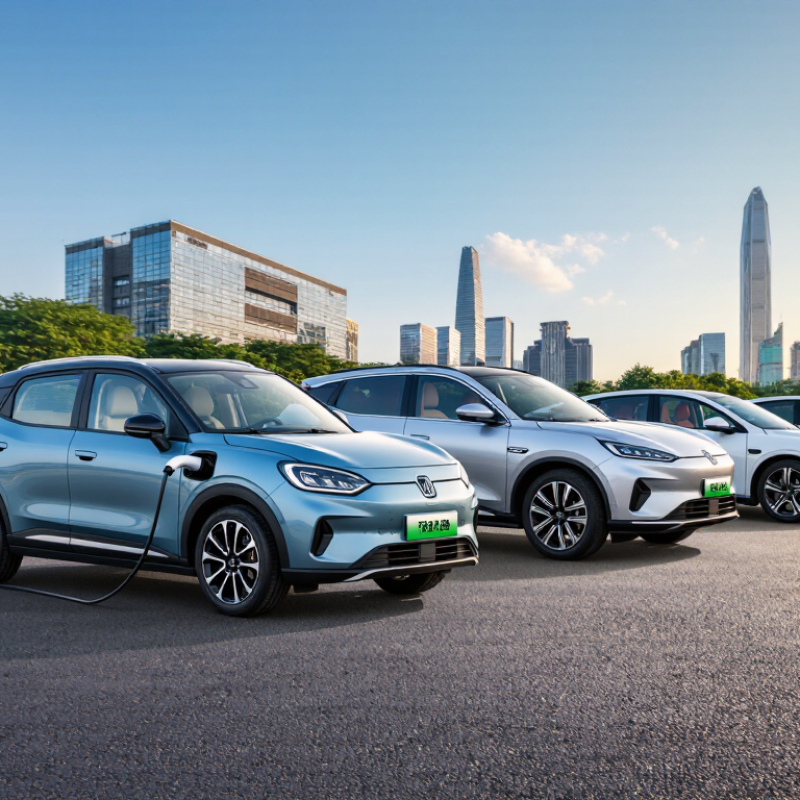
How to Define the Best New EVs to Buy in 2026
What Are the Best New EVs to Buy in 2026?
How to Define the Best New EVs to Buy in 2026
“Best” depends on where you drive, where you charge, and what you can comfortably spend. The IEA’s Global EV Outlook 2025 estimated that electric-car sales would exceed 20 million worldwide that year, representing more than one-quarter of new car sales. A crowded market makes comparison harder, not easier. Start with your regular week: a 35-mile commute, a cold morning, and a weekend trip reveal more than a headline range figure.
Compare usable range, charging speed, efficiency, cargo space, warranty, and total cost over several years. Check the EPA range estimate, then look for independent road tests in cold or highway conditions; real-world results can fall short. The IEA’s findings also show why charging access matters as adoption grows. A home charger may simplify daily use, while renters should check nearby public chargers and their reliability. I would not treat the longest range as an automatic win. That shortcut can mislead.
Tips: Write down your usual daily mileage and monthly charging options before visiting a showroom. Compare charging stops on a route you actually take. Check insurance and tire costs, too; they are easy to overlook. If two vehicles seem equally strong, test their seats and controls in person. Small annoyances count. Some estimates will still be imperfect. That is worth admitting.
What Are the Best New EVs to Buy in 2026?
How to define “best”: compare real-world range, charging access and speed, efficiency, safety, and total cost of ownership against your own driving needs.
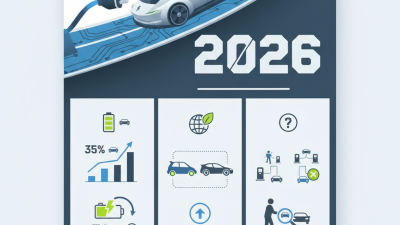
Market context: electric cars accounted for a growing share of new-car sales worldwide. Values are rounded estimates; “electric cars” includes battery-electric and plug-in hybrid vehicles. Source: International Energy Agency, Global EV Outlook 2025.
Key Factors for Comparing 2026 Electric Vehicles
Comparing 2026 electric vehicles means looking beyond the range printed on a window sticker. Check real-world efficiency, usable battery capacity, charging speed, and cold-weather performance. A long range is useful, but not if frequent fast charging becomes part of every trip. Numbers need context. Compare vehicles on the same route, at similar temperatures, and with the same driving habits.
Ownership costs matter just as much. The International Energy Agency’s Global EV Outlook 2024 reported nearly 14 million electric car sales worldwide in 2023, about 18% of total car sales. Its analysis also found battery pack prices fell 14% that year. These trends signal a changing market, not guaranteed savings for every driver. Compare purchase price, home charging costs, warranty coverage, and estimated maintenance over several years. I would treat advertised savings as a starting point, not a promise.
Consider environmental performance with care, too. The International Council on Clean Transportation’s 2023 lifecycle analysis found battery-electric cars registered in Europe produced about 73% less lifetime greenhouse gas emissions than gasoline cars. That result depends partly on the electricity mix and assumptions used. Your daily charging source may differ. Review independent test results, charging access, and cabin comfort before deciding; a quiet test drive can still hide an inconvenient charging routine.
Leading 2026 EVs by Vehicle Type and Driving Needs
The best new EVs in 2026 will depend less on a headline range figure than on your daily routine. A small electric car can suit tight city parking and short commutes, while a midsize sedan may feel calmer on long highway drives. Check the rear-seat space, visibility, and turning circle in person. Small details matter.
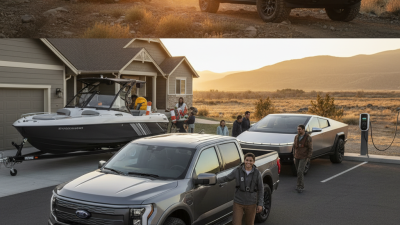
For families, compare electric crossovers by usable cargo space, not just advertised capacity. Bring a stroller or sports bag to a test drive; the boot opening can be more important than its listed volume. Larger SUVs may offer extra seats, but added weight can reduce efficiency. Drivers who tow should check independent range tests under load. Towing changes things.
Long-distance commuters should look closely at charging speed and the locations of compatible public chargers along regular routes. A high range estimate is less helpful when winter weather, highway speeds, or hills cut into real-world distance. I still find this easy to overlook. Before choosing, compare the exact trim’s equipment, warranty terms, and safety results from reliable testing. Home charging access can also shape the best choice: a lower-priced EV may be less convenient without it.
Range, Charging, Price, and Ownership Costs Compared
A strong 2026 electric vehicle should fit your regular week, not just promise an impressive range. Compare estimated range with your actual commute, highway trips, and winter driving. Cold weather matters. Cabin heating and faster highway speeds can reduce distance between charges. Treat published figures as useful comparisons, not guarantees. A car that comfortably covers your daily route may be a better choice than one with a larger, heavier battery.
Charging convenience can outweigh a headline charging speed. Check how quickly a vehicle can charge during a typical road-trip stop, and whether its charging rate stays high or quickly drops. At home, overnight charging may make daily use simple, provided your parking setup supports it. Apartment drivers should check nearby public chargers before buying. That detail is easy to overlook.
Compare the purchase price with the full cost of ownership: electricity, insurance, tires, maintenance, and financing. Larger vehicles may use more energy and need pricier tires. Electricity rates also vary by location and time of day. Ask for an insurance quote before signing; estimates can surprise you. I would not trust a single “cost per mile” figure without checking its assumptions. These comparisons are imperfect, but they reveal trade-offs that a showroom test drive may miss.
How to Choose the Right 2026 EV for Your Lifestyle
Choosing a 2026 electric vehicle starts with an ordinary week, not a headline range figure. Write down your daily distance, regular passengers, and the largest items you carry. If you commute 35 miles and park beside a charger, your needs differ from someone who drives long rural stretches. A published range is a useful comparison, not a promise for every trip. Cold weather, highway speed, and cabin heating can reduce it. Leave a buffer.
Your charging routine matters as much as the vehicle. Home charging can make overnight top-ups simple, but renters may depend on workplace or public stations. Check nearby chargers on routes you actually use, and consider how often you can stop without disrupting your day. A cable in the trunk is not a charging plan. Ask how long a typical recharge takes under conditions you expect, rather than relying only on the fastest advertised figure.
Match the vehicle’s shape and equipment to your life. A low car may suit a city commute, while a taller cabin can make child seats or frequent loading easier. Test the rear seat, open the cargo area, and try the controls before deciding. I may be overvaluing quiet cabins here; some drivers care more about visibility or winter traction. Note what feels awkward, too. It is easy to overlook a cramped back seat during a brief, pleasant test drive.