Why Choose Full Electric Cars for Your Next Purchase?
As the automotive industry evolves, full electric cars have emerged as a compelling choice for buyers. Unlike traditional gasoline vehicles, they operate solely on electric power, offering a cleaner alternative. This results in reduced emissions and a smaller carbon footprint, aligning with a sustainable future.
Many drivers cite the benefits of full electric cars. They provide instant torque, making them fun to drive. Additionally, the lower cost of maintenance can be appealing. However, potential buyers may have concerns about charging infrastructure and battery life. These aspects deserve careful consideration before making a purchase.
Amidst the excitement, some challenges exist. The upfront cost of full electric cars can be high. However, government incentives sometimes help offset these expenses. It's essential to weigh costs against long-term savings. Choosing a full electric car is a decision that can contribute to both personal and environmental well-being, showcasing the need for thoughtful reflection on modern transportation choices.
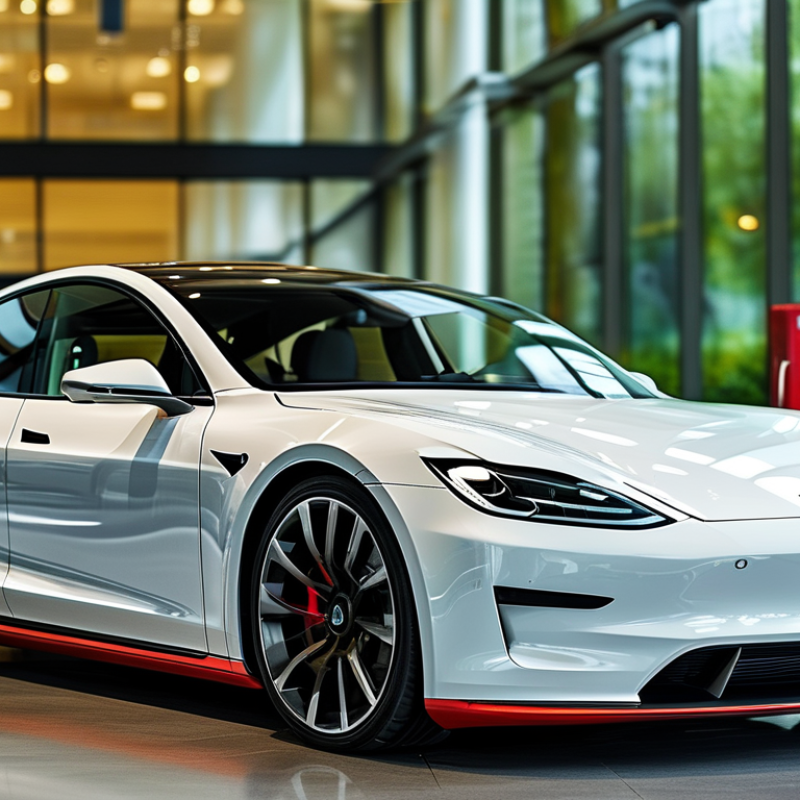
Benefits of Full Electric Cars: Understanding Environmental Impact
Choosing a full electric car is more than just a trend; it reflects a commitment to environmental sustainability. Full electric vehicles run on batteries, producing no tailpipe emissions. This leads to cleaner air, especially in urban areas. Reduced air pollution benefits public health, particularly for vulnerable populations like children and the elderly.
Transitioning to an electric car also contributes to a decrease in greenhouse gas emissions. This helps combat climate change, an issue that affects everyone. However, the environmental impact of battery production is a concern. Mining for lithium and cobalt can damage ecosystems. It’s essential to weigh these factors when considering your purchase.
While electric cars are often touted for their green credentials, challenges remain. The infrastructure for charging is still developing in many regions. Range anxiety, the fear of running out of charge during a trip, can deter potential buyers. A thoughtful approach to this transition can lead not only to personal benefits but also to greater environmental well-being in the long run.
Benefits of Full Electric Cars
This chart illustrates the various benefits associated with full electric cars, highlighting their lower emissions, fuel savings, maintenance savings, performance advantages, and available incentives. Each benefit is evaluated based on a score out of 100, showcasing why electric cars are an increasingly popular choice for consumers concerned about their environmental impact and overall costs.
Cost Savings Over Time: Analyzing Total Ownership Expenses
When considering the total ownership expenses of full electric cars, potential savings emerge. Electric vehicles often have lower fuel costs compared to gasoline cars. The average cost of electricity per mile is significantly less than that of gasoline. This difference adds up over time. Many owners report spending up to 60% less on “fuel” for their electric cars.
Maintenance costs also tend to be lower. Electric vehicles have fewer moving parts, reducing wear and tear. They do not require oil changes, which saves time and money. However, some owners might overlook the costs of battery replacements. While most batteries last many years, replacement can be expensive if needed.
Insurance rates can vary based on the model. Some drivers find that electric cars have higher premiums. However, potential discounts for environmentally friendly vehicles can mitigate this. It's essential to analyze your specific situation before making a decision. Understanding the nuances of ownership can lead to smarter financial choices in the long run.
Performance Advantages: Acceleration and Driving Experience of EVs
Electric vehicles (EVs) are rapidly gaining traction in the automotive market. Their performance advantages, especially in acceleration and driving experience, can't be overlooked. Studies show that electric cars can accelerate from 0 to 60 mph in as little as 2.3 seconds. This rapid acceleration is attributed to the instant torque provided by electric motors. Drivers often report an exhilarating feeling during acceleration, which traditional gasoline engines struggle to match.
Moreover, EVs offer a unique driving experience. They provide a quiet, smooth ride thanks to their lack of engine noise. The low center of gravity, due to battery placement, enhances stability. According to the International Council on Clean Transportation, EVs have lower handling and braking distances compared to internal combustion engine vehicles. However, some concerns arise when considering range anxiety and charging times. While advancements in range are significant, they still require planning for long trips.
The overall driving experience is often described as connected and responsive. EVs feature advanced technology, including regenerative braking systems, which can feel different to new drivers. Many enjoy this modern feel, but adaptations may be necessary for traditional drivers. Continuous improvements in battery technology and performance data will shape the future. The challenge remains in balancing these innovations with user experiences and broader acceptance.
Government Incentives: Financial Benefits for Electric Vehicle Purchases
Government incentives for electric vehicle purchases significantly enhance their appeal. Many countries offer tax credits and rebates to encourage buyers. In the United States, buyers can receive up to $7,500 in federal tax credits. Some states provide additional incentives, pushing the total savings even higher. In fact, according to the International Council on Clean Transportation, EV incentives can account for nearly 30% of the initial vehicle cost.
Beyond simple cash incentives, there are other financial benefits. Many households save on fuel and maintenance costs. A study by the U.S. Department of Energy found that electric vehicles can save consumers over $800 annually on fuel costs compared to gas-powered cars. This lower operational cost can make EVs a more economical choice in the long run.
However, it's essential to consider the limitations of these incentives. Not all consumers are aware of these benefits. Some buyers may also face challenges in accessing charging infrastructure. This can impede the purchasing decision. Continued education on available incentives is crucial for maximizing electric vehicle adoption. Hence, both government actions and consumer awareness play vital roles in the growth of the electric vehicle market.
Charging Infrastructure: The Growing Network for Full Electric Vehicles
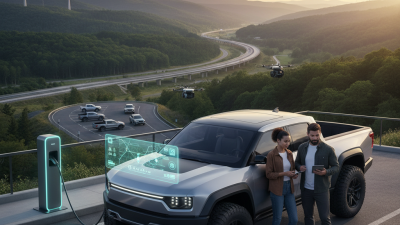
The expansion of charging infrastructure has become a key factor in promoting full electric vehicles. In many urban areas, charging stations are popping up in public parking lots and shopping centers. This increased accessibility makes owning a full electric car more convenient for everyone.
However, the speed and availability of charging can still present challenges. Not every location offers fast-charging options, which can lead to long waiting times. Some regions struggle with a sparse network of chargers, making longer road trips tricky. Consumer confidence can waver when charging access is limited.
Despite these hurdles, the trend is shifting towards improvement. Governments and private companies are investing heavily in charging networks. They aim to create a seamless experience for electric vehicle owners. As this infrastructure continues to grow, the appeal of full electric cars will likely increase, making them a more feasible option for many.