How to Choose the Best Electric Vehicles for Your Business?
Choosing the right Electric Vehicles (EVs) for your business is crucial for sustainability and efficiency. According to Sarah Johnson, a recognized expert in the EV industry, “The right electric vehicle can transform not just your fleet, but your entire business model.” This emphasizes the importance of selecting EVs that align with your specific needs.
When evaluating options, consider the range, charging infrastructure, and total cost of ownership. Electric Vehicles offer potential savings through lower maintenance costs and fuel expenses. Businesses often overlook the importance of assessing their operational needs. Not every EV model fits all business types. Engaging with industry experts can help clarify these choices.
It's essential to reflect on your company's long-term goals. Are you aiming for sustainability accolades, or just cost reductions? Each decision affects your brand's reputation and operational efficiency. Therefore, investing in the right EVs is not just a financial decision; it is a strategic one that shapes your business's future.
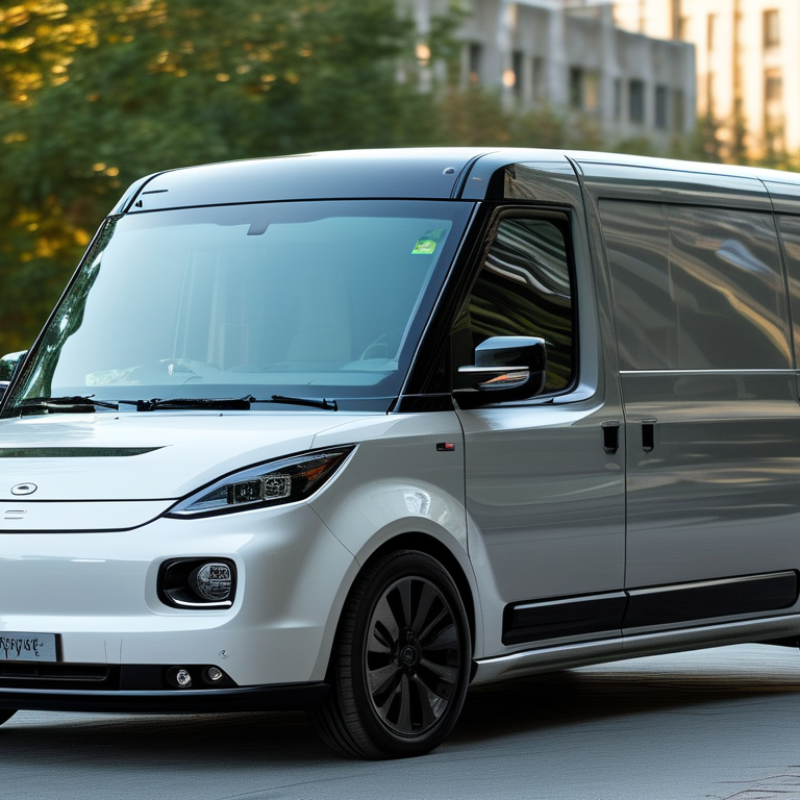
Understanding Your Business Needs for Electric Vehicles
Choosing the best electric vehicles (EVs) for your business starts with understanding your unique needs. Consider the size and nature of your operations. Are you delivering goods, transporting staff, or using vehicles for service calls? A 2021 report from the International Energy Agency highlights that commercial EV adoption can reduce operating costs by up to 30%. This metric can significantly influence your decision.
Evaluate factors like range, charging infrastructure, and total cost of ownership. A vehicle with a limited range may not suit businesses with extensive travel requirements. A recent survey shows that 40% of businesses cite range anxiety as a barrier to EV adoption. It's crucial to assess your daily mileage and available charging stations in your operating area.
Don't overlook maintenance and after-sales support. Understanding the total cost of ownership goes beyond the purchase price. Maintenance costs for electric vehicles can be around 30% lower than their gasoline counterparts. However, initial charging setup can be a challenge. Ensure that your team is ready to face potential hurdles with installation and services to maintain reliability. Evaluating your business's specific needs will lead to a more successful transition to electric vehicles.
Evaluating Range and Performance Requirements of EVs
When considering electric vehicles (EVs) for your business, evaluating range and performance is crucial. According to the International Council on Clean Transportation, over 70% of fleet managers prioritize range when selecting EVs. This is not surprising, as the range directly impacts daily operations. For instance, a vehicle that can't cover a full delivery route may lead to operational inefficiencies and increased costs.
It's also important to assess performance requirements. The U.S. Department of Energy's analysis indicates that most businesses require vehicles capable of handling varying terrains and load capacities. A vehicle with inadequate performance might underdeliver on its promises. This can lead to frustration among drivers and customers alike, affecting the overall reputation of the business.
Tip: Before making a decision, conduct a comprehensive analysis of daily mileage and expected routes. Align your EV selection with real-world demands. Another tip is to consult with industry experts or engage in fleet management solutions that offer tailored insights. This way, you can make an informed choice that serves your business well. Always remember that the right EV should balance range, performance, and your unique operational needs.
Budgeting for Electric Vehicle Acquisition and Maintenance Costs
When budgeting for electric vehicle (EV) acquisition, consider both initial costs and long-term expenses. The upfront price of EVs can be higher than traditional vehicles, but savings on fuel and maintenance can offset this. Research potential rebates and tax credits specifically for EVs. These incentives can make the acquisition more affordable.
Maintenance costs for electric vehicles tend to be lower, yet it's essential to account for routine checks and battery longevity. Battery replacements can be pricey, though many manufacturers offer warranties. Calculate potential maintenance over the vehicle's lifespan to get a clear financial picture.
Evaluate the total cost of ownership that includes charging infrastructure. Depending on your location, charging station installation may require significant investment. Investigate available public charging options as well. Balancing initial costs with expected savings is crucial. Build a detailed budget that includes all these factors. It will guide you toward a more sustainable and financially sound decision for your business.
How to Choose the Best Electric Vehicles for Your Business? - Budgeting for Electric Vehicle Acquisition and Maintenance Costs
| Vehicle Model |
Acquisition Cost |
Annual Maintenance Cost |
Range (miles) |
Charging Time (hours) |
| Electric Van A |
$35,000 |
$800 |
150 |
8 |
| Electric Sedan B |
$30,000 |
$700 |
200 |
6 |
| Electric Truck C |
$50,000 |
$1,200 |
250 |
10 |
| Electric SUV D |
40,000 |
$900 |
220 |
7 |
Researching Available Electric Vehicle Models and Features
When choosing electric vehicles for your business, it's crucial to research available models and features. Start by understanding different vehicle types like vans, sedans, and trucks. Each type serves a specific purpose and can impact your operations. Consider size, capacity, and range when evaluating options. Range anxiety can be daunting for businesses that require extensive travel.
Battery life and charging options are essential features. Look for vehicles with fast charging capabilities and check the availability of charging stations in your area. Some models may support home charging, which can simplify your routine. Familiarize yourself with maintenance needs as well. Electric vehicles often require less upkeep than their gasoline counterparts, but occasional servicing is still necessary.
It's worthwhile to reflect on your specific needs. Do you require vehicles for short local trips or longer hauls? Analyzing your daily routes can help you select the right model. Sometimes, businesses overlook the total cost of ownership, which includes purchase price, maintenance, and energy costs. Gathering comprehensive data will aid in making a sound decision for your business’s future.
Electric Vehicle Features Comparison
This chart illustrates the average performance features of electric vehicles including their range, charging time, cargo space, and warranty duration. This information helps businesses evaluate which electric vehicle models might best meet their operational needs.
Assessing Infrastructure Needs for Charging and Support Systems
When assessing infrastructure needs for charging electric vehicles (EVs), consider your business's unique operations. Charging stations should be placed where your fleet is most active. Analyze your daily routes and identify high-traffic areas. This helps optimize charging schedules and minimize downtime.
Support systems are crucial for maintaining EVs. Regular maintenance checks ensure vehicles remain in top condition. Create protocols for software updates and battery management. It's key to stay informed about technological advancements and infrastructure developments. Engage with local experts to understand emerging trends and best practices.
Running an EV fleet requires ongoing evaluation. Monitor usage patterns and review charging efficiency regularly. Collect feedback from drivers about their experiences. This data can guide adjustments to your charging strategy, making it more effective over time. While steady progress is vital, remain flexible to adapt to new challenges.